 Diaphragm pumps and piston pumps are two popular types of positive displacement pumps, each with unique characteristics that make them suitable for specific applications. Diaphragm pumps utilize a flexible diaphragm that moves back and forth to create a vacuum, drawing fluid into the chamber. When the diaphragm moves in the opposite direction, it forces the fluid out. This design allows for excellent sealing and is particularly effective for handling viscous and corrosive fluids.
On the other hand, piston pumps operate using a reciprocating piston within a cylinder. The movement of the piston creates a pressure differential, enabling the pump to draw fluid into the chamber on the intake stroke and discharge it on the compression stroke. Piston pumps are generally known for their ability to handle high pressures and deliver precise flow rates.
A comparison between these two pump types reveals key operational differences:
- Design: Diaphragm pumps have a diaphragm separated from the fluid, while piston pumps have a direct contact between the piston and the fluid.
- Fluid Compatibility: Diaphragm pumps are often better for corrosive or abrasive fluids, while piston pumps are typically used for clean, non-abrasive media.
- Pressure Capabilities: Piston pumps generally achieve higher pressures than diaphragm pumps.
- Flow Rate: Diaphragm pumps tend to have a lower flow rate compared to piston pumps.
- Self-Priming Ability: Diaphragm pumps excel in self-priming capabilities, making them suitable for applications with varying lift conditions.
Both pump types offer distinct advantages depending on the specific requirements of the application. Understanding their mechanisms and operational benefits is crucial for selecting the right pump for your needs.
Key differences between diaphragm and piston pumps
When evaluating diaphragm pumps and piston pumps, several notable differences come into play that can significantly affect their performance in various applications. The following points highlight critical aspects of these two pump types, aiding in a deeper understanding through a comparison of their functionalities.
- Sealing Mechanism: Diaphragm pumps utilize a flexible diaphragm to seal the pumping chamber, preventing the fluid from leaking into the pump’s mechanical components. In contrast, piston pumps rely on piston seals that can wear out over time, which may lead to leakage and require maintenance.
- Stroke Frequency: Diaphragm pumps operate at lower stroke frequencies, which results in a steadier flow and reduced pulsation. This makes them ideal for delicate applications where fluid shear must be minimized. Piston pumps, on the other hand, can operate at higher stroke frequencies, providing a more dynamic flow rate suited for applications requiring rapid fluid transfer.
- Wear and Tear: Diaphragm pumps are generally less prone to wear due to their design, which limits the contact of moving parts with the fluid. This can lead to a longer lifespan compared to piston pumps, which have more exposed components susceptible to wear from abrasive fluids.
- Maintenance Requirements: Diaphragm pumps typically require less frequent maintenance due to fewer moving parts, whereas piston pumps may need regular inspections and replacement of seals or piston rings. This factor can influence the overall operational costs in long-term usage.
- Noise Levels: Diaphragm pumps tend to operate quieter than piston pumps because of their design and steady flow characteristics. Piston pumps may produce a louder operation due to the rapid reciprocation of the piston.
By recognizing these key differences, users can make more informed decisions when investing in either diaphragm pumps or piston pumps, ensuring the selected solution aligns with their specific operational needs and conditions.
Factors to consider when choosing a pump type
When selecting a pump type, it’s essential to consider a variety of factors that can significantly influence the effectiveness and efficiency of operations. Each application requires a tailored approach, and understanding the unique characteristics of diaphragm pumps and piston pumps is fundamental to making the right choice.
Fluid Characteristics
The nature of the fluid being pumped is a critical consideration. For example, if the fluid is corrosive or abrasive, diaphragm pumps are often preferred due to their ability to provide excellent sealing and isolation. This minimizes the risk of contamination and wear on the pump components. In contrast, for clean, non-abrasive media, piston pumps may be suitable, especially in applications that require high pressure and precise flow rates.
Operating Conditions
Evaluating the operating environment is vital. Diaphragm pumps are renowned for their superior self-priming capabilities, making them suitable for operations with varying lift requirements. They perform well in situations where fluid levels might fluctuate. Conversely, piston pumps excel in stable environments where consistent pressure and flow are needed, significantly benefiting applications that demand rapid fluid transfer or high-pressure output.
Maintenance Requirements
The long-term maintenance of the pump can affect operational costs. Diaphragm pumps generally require less maintenance due to fewer moving parts and wear mechanisms, resulting in lower downtime. Piston pumps, however, may necessitate regular inspections and replacements of seals and piston rings due to the mechanical abrasion caused by fluid contact. Users must consider the resources available for ongoing maintenance when choosing between these two pump types.
Performance and Efficiency
It is also important to assess the required performance specifications. Diaphragm pumps provide a steady, pulsation-free flow, making them ideal for delicate applications where fluid shear must be minimized. On the other hand, piston pumps can operate at higher stroke frequencies, yielding a more dynamic flow suited for high-speed applications but potentially leading to increased pulsation.
Cost and Budget
Lastly, the budget consideration plays a crucial role in the decision-making process. While piston pumps might offer better performance under certain conditions, their higher maintenance needs can lead to increased operational costs over time. Diaphragm pumps, while typically more cost-effective in terms of maintenance, may have a higher upfront cost.
By analyzing these factors—fluid characteristics, operating conditions, maintenance requirements, performance needs, and budget—users can make an informed decision that aligns with their specific requirements, ultimately benefiting from the optimal advantages offered by either diaphragm pumps or piston pumps.
Applications for diaphragm and piston pumps
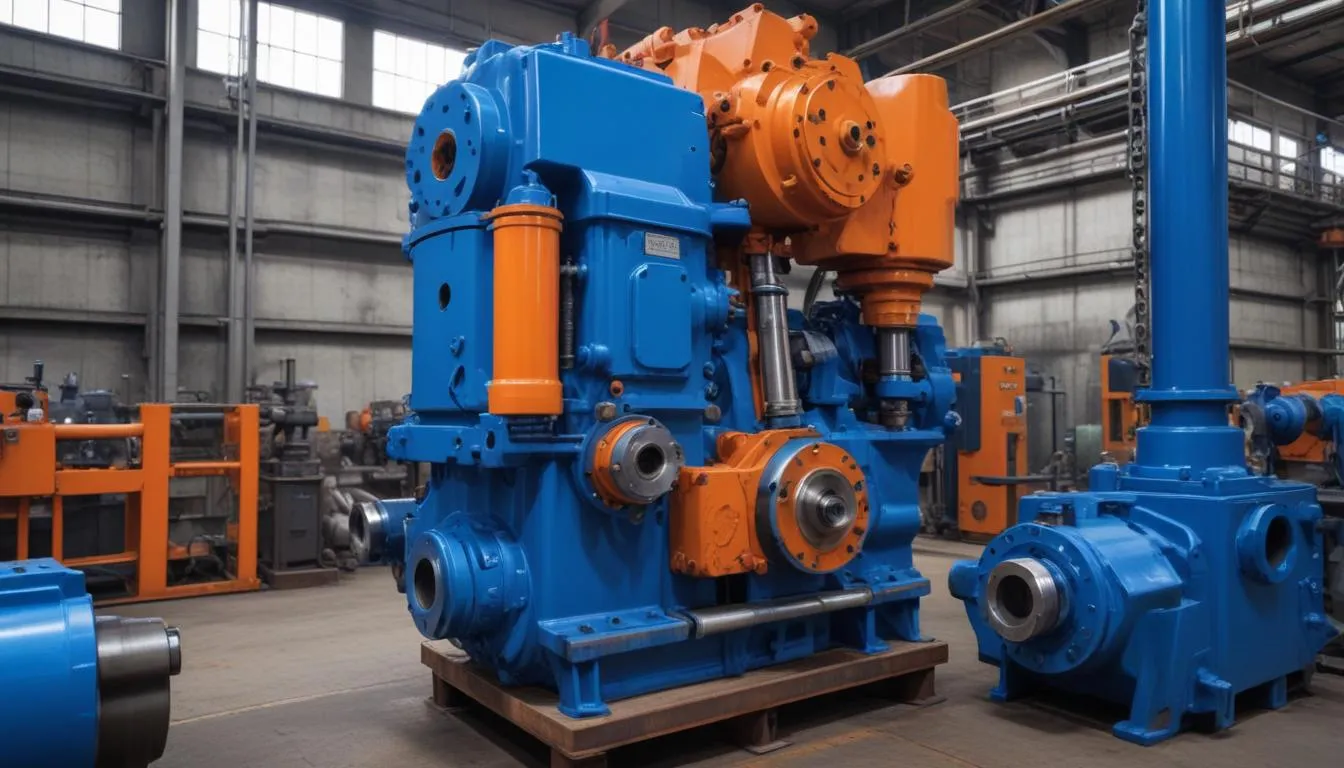 When exploring the various applications for diaphragm and piston pumps, it becomes evident that each type excels in specific environments, owing to its unique operational characteristics.
Diaphragm Pumps Applications
Diaphragm pumps are particularly well-suited for the following applications:
- Chemical Transfer: Their ability to handle corrosive and viscous fluids makes diaphragm pumps ideal for transferring chemicals in industries such as pharmaceuticals, paints, and coatings.
- Food and Beverage: Because of their hygienic design, diaphragm pumps are used in food processing applications where sanitary fluid handling is vital.
- Water Treatment: They are employed in water and wastewater treatment for pumping sludge, chemicals, and other fluids due to their self-priming capabilities.
- High Viscosity Applications: The flexible diaphragm allows for efficient pumping of high-viscosity fluids, making them suitable for applications in cosmetics and personal care products.
Piston Pumps Applications
Piston pumps, on the other hand, are favored in scenarios where high pressure and precise flow rates are critical. Key applications include:
- Hydraulic Systems: Piston pumps are commonly used in hydraulic machinery because of their ability to generate high pressures efficiently.
- Automotive and Industrial Equipment: They are widely utilized in automotive applications for lubricating fluids, as well as in various industrial processes requiring consistent fluid flow at variable speeds.
- Oil and Gas: Piston pumps excel in extracting and transferring crude oil or natural gas due to their capability to operate under high pressures.
- Paint Spraying: In paint and coating industries, piston pumps are used for their precise flow rate control, facilitating uniform application.
In summary, the choice between diaphragm pumps and piston pumps ultimately depends on the specific operational requirements of the intended application. Each type offers distinct advantages, enhancing performance in its tailored environment while addressing the particular needs for fluid handling. Understanding these applications allows users to make a well-informed decision that maximizes efficiency and effectiveness.
Maintenance and performance factors for longevity
Proper maintenance of diaphragm pumps and piston pumps is essential for ensuring their longevity and optimal performance. Both types of pumps, while designed to function efficiently under various conditions, require attention to specific performance factors that can influence their operational lifespan and efficiency.
Regular Inspections
Conducting regular inspections is critical in identifying potential issues before they escalate. Users should routinely check for leaks, wear, and corrosion. For diaphragm pumps, inspecting the diaphragm for cracks or tears is vital, as these can significantly compromise the pump’s functionality. In the case of piston pumps, the condition of the piston seals and rings must be closely monitored to prevent leakage and maintain pressure.
Fluid Compatibility
Maintaining proper fluid compatibility is key to enhancing the lifespan of the pump components. Utilizing fluids that the pump is not designed to handle can lead to premature wear and potential failure. For instance, using corrosive liquids in piston pumps without suitable seals can cause extensive damage over time. Diaphragm pumps, with their ability to handle abrasive and corrosive fluids, often outperform piston pumps in applications involving such media.
Lubrication and Wear Reduction
For piston pumps, ensuring that all moving parts are well-lubricated is essential. Proper lubrication reduces friction, thereby minimizing wear and tear on critical components. Implementing a routine lubrication schedule can extend the lifespan of piston pumps significantly. While diaphragm pumps do not require lubrication in the same way, it’s still important to verify that surrounding parts are adequately maintained to prevent debris buildup.
Operational Limits
Both pump types have specific operational limits regarding pressure and temperature. Exceeding these limits can lead to mechanical failures. Users should familiarize themselves with the manufacturer’s specifications and ensure that the pumps are not used outside of the recommended range. Monitoring the operational environment helps in avoiding situations that may lead to overpressure scenarios or overheating, particularly for piston pumps.
Maintenance Records
Keeping detailed maintenance records is beneficial for tracking the performance of diaphragm pumps and piston pumps over time. These records can help identify recurring issues, guiding users in making educated decisions about repairs or replacements. By documenting maintenance activities and performance metrics, users can optimize their processes and potentially predict when a particular pump may need more extensive servicing.
Cleaning Procedures
Implementing regular cleaning procedures is crucial, especially for pumps handling fluids prone to contamination or buildup. For diaphragm pumps, flushing the system with clean water after use can help prevent clogs and maintain flow efficiency. In the case of piston pumps, ensuring that the fluid being pumped is filtered to remove particulates can extend the life of seals and reduce wear.
Incorporating these maintenance practices not only enhances the operational efficiency of diaphragm pumps and piston pumps but also contributes to their longevity. By prioritizing maintenance, users can prevent costly downtime and ensure that their systems remain functional and reliable in the long run.