 The field of pump technologies has witnessed remarkable advancements recently, significantly enhancing performance, efficiency, and reliability. Leading these changes are several key pump innovations that have transformed how pumps operate across various industries.
One notable advancement is the introduction of smart pumps equipped with IoT (Internet of Things) capabilities. These pumps can monitor performance metrics in real time, providing critical data that enables predictive maintenance. By utilizing advanced algorithms, they can adjust their operations autonomously, responding to fluctuating system demands, which leads to improved operational efficiency.
Another significant trend is the development of magnetic drive pumps, which eliminate the need for mechanical seals and thus reduce maintenance requirements. The sealed system helps prevent leaks, making these pumps ideal for handling hazardous or corrosive fluids. This technology not only enhances safety but also promotes longer service life and reduced environmental impact.
Additionally, manufacturers are focusing on variable frequency drives (VFDs), which optimize pump speeds to match fluid flow requirements precisely. By adjusting the motor’s speed, VFDs can significantly reduce energy consumption, aligning with the industry’s increasing emphasis on energy-efficiency.
Innovations in materials such as advanced composites and coatings are also reshaping pump designs. These new materials offer superior resistance to corrosion and wear, contributing to enhanced durability and reliability. Furthermore, lighter and stronger materials lead to reduced manufacturing costs and improved transportability of pumps in various applications.
Through these advancements in technology and design, the pump industry continues to evolve, addressing the challenges of modern applications while meeting the growing demand for efficiency and sustainability.
Key trends shaping the pump industry
The pump industry is being reshaped by several significant trends that are driving innovations and enhancing operational capabilities. One such trend is the growing emphasis on automation. Manufacturers are increasingly integrating automation technologies into pump systems, allowing for enhanced control and monitoring. This not only improves efficiency but also reduces human error, ensuring a more reliable operation.
Another important trend is the shift towards digitalization. The implementation of digital solutions, such as cloud-based analytics, enables operators to access real-time data and insights. This level of connectivity facilitates proactive maintenance, reduces downtime, and optimizes performance across varying conditions.
In parallel, the focus on sustainability is becoming more pronounced, as companies strive to mitigate environmental impact. The development of eco-friendly pumps that meet stringent regulations is gaining traction. These pumps are designed to minimize energy consumption and reduce waste, highlighting the industry’s commitment to sustainable practices.
Furthermore, the increasing demand for customization within the industry is noteworthy. End-users are seeking tailored solutions that cater to specific applications, which has prompted manufacturers to innovate conveyor designs and systems that can be adjusted to fit unique operational requirements.
The rising importance of smart technology in pump systems cannot be overlooked. By utilizing smart sensors and advanced monitoring tools, organizations can gain a more comprehensive understanding of pump performance, enabling data-driven decisions that enhance efficiency and reliability.
The integration of cutting-edge materials science is also a key aspect of these evolving trends. The use of innovative materials not only improves pump durability but also contributes to lighter and more efficient designs. This is particularly important in industries where weight and transportability are critical factors.
Overall, these trends are not only defining the current landscape of the pump industry but are also setting the stage for future pump innovations that will further enhance operational efficacy and sustainability.
- Automation and control enhancements
- Digitalization and cloud-based monitoring
- Sustainability and eco-friendly designs
- Customization for specific applications
- Integration of smart technology
- Advanced materials for improved durability
Innovative materials and design improvements
Innovative approaches in materials and design are revolutionizing the pump industry, paving the way for enhanced functionality and performance. The use of advanced materials is paramount, as manufacturers are increasingly opting for high-performance composites and specialized coatings that can withstand harsh environments. These materials provide heightened resistance to corrosion, wear, and chemical attacks, extending the lifespan of pumps and ensuring reliability in various applications.
3D printing technology is also making significant strides in pump design, allowing for rapid prototyping and the creation of complex geometries that were previously unachievable. This method not only reduces production costs and time but also enables customization that meets specific user requirements. With 3D-printed components, manufacturers can efficiently produce parts that focus on minimizing weight while maintaining strength, which is essential for specific applications like aerospace and marine industries.
Another critical advancement is in the realm of bio-based materials. As environmental concerns grow, the pump industry is exploring sustainable alternatives that minimize ecological footprints. These materials, derived from renewable sources, are designed to function effectively in various pump applications while adhering to stringent environmental regulations.
The incorporation of smart design principles is equally notable, with a trend towards modular designs that allow for easier maintenance and upgrades. Modular pumps can be assembled from standardized components, simplifying repairs and facilitating the interchange of parts. This adaptability significantly reduces downtime and maintenance costs, making it a favorable choice for industries reliant on uninterrupted operations.
In addition to modular designs, the development of ergonomic features in pump interfaces enhances usability. Features such as intuitive controls, digital readouts, and fail-safe mechanisms not only improve the user experience but also contribute to safer operation.
Through ongoing research and development, the pump industry is embracing innovative materials and design improvements that respond to the demands of modern applications. By focusing on durability, customization, and sustainability, current innovations not only elevate performance but also align with the broader trends and technologies driving the future of pump systems.
| Innovative Materials | Benefits |
|---|---|
| Advanced Composites | High resistance to wear and corrosion |
| 3D-Printed Components | Customization and reduced production time |
| Bio-Based Materials | Eco-friendly and sustainable alternatives |
| Modular Designs | Ease of maintenance and upgrades |
| Ergonomic Features | Enhanced usability and safety |
Energy efficiency and sustainability initiatives
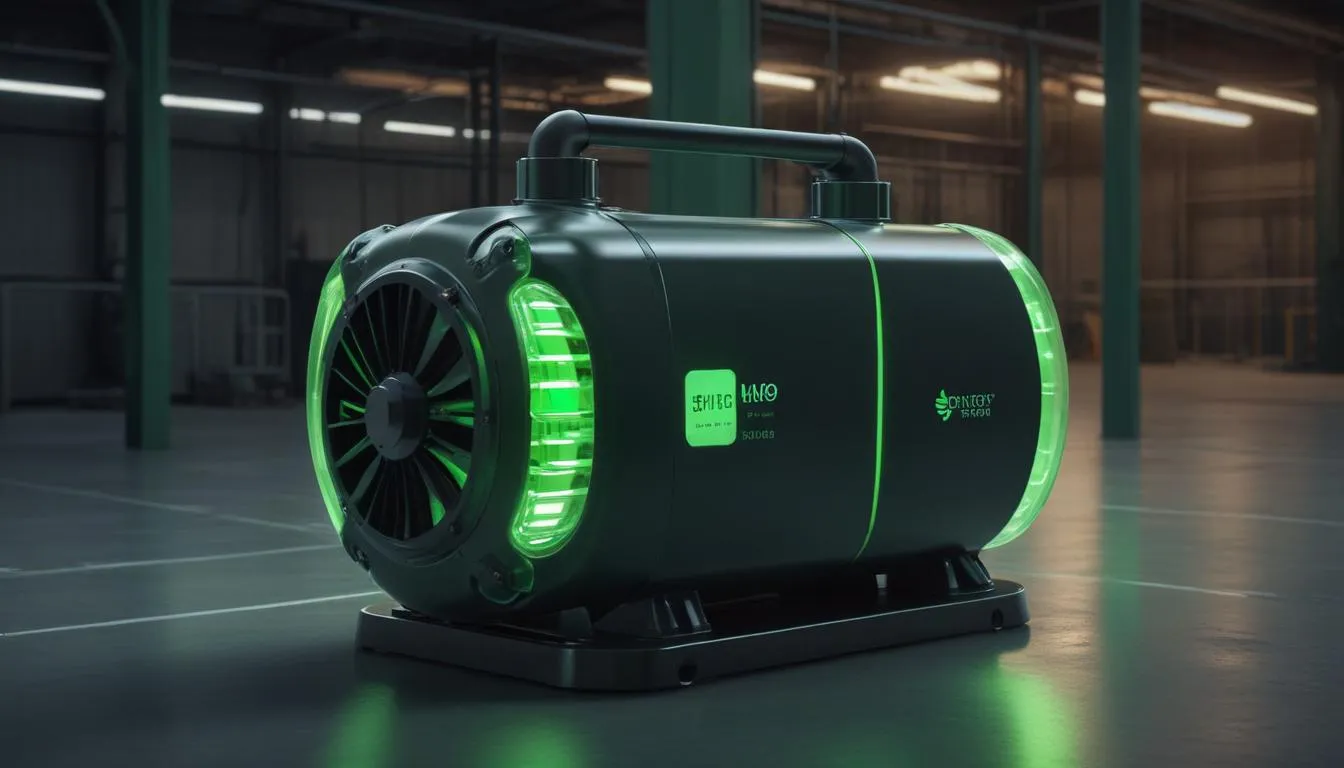 As the pump industry continues to evolve, enhancing energy efficiency and embracing sustainability initiatives have become paramount goals for manufacturers and end-users alike. Companies are not just focusing on performance; they are also prioritizing environmental responsibility to comply with growing regulations and meet consumer expectations for greener products.
One significant initiative is the development of high-efficiency pumps designed to consume less energy while delivering optimal performance. These pumps operate using advanced hydraulic designs that minimize energy loss and enhance flow rates, resulting in reduced operational costs for customers. Using computational fluid dynamics (CFD), engineers can create pump systems that are more efficient in various conditions, ensuring that energy usage aligns with demand.
Moreover, manufacturers are integrating smart technologies to monitor and optimize pump performance actively. Smart pumps utilize sensors to gather real-time operational data, allowing operators to fine-tune performance automatically. This level of control not only enhances efficiency but also helps reduce energy wastage, ultimately contributing to a lower carbon footprint.
In addition to automation, the pump industry is embracing energy recovery systems that harness unused energy from the fluid movement. Technologies like pressure recovery devices and recovery turbines convert excess energy back into usable power, further enhancing overall system efficiency. By implementing these innovations, facilities can move closer to achieving net-zero energy consumption in their operations.
Another trend is the adoption of sustainable materials in pump construction. The use of recyclable and biodegradable materials is gaining traction, with manufacturers developing components that maintain durability and performance while being kinder to the environment. For example, eco-friendly plastics and composites are being explored as viable alternatives to traditional materials, ultimately contributing to reduced environmental impact throughout a pump’s lifecycle.
To support widespread adoption of energy-efficient practices, industry collaborations and initiatives are also emerging. Organizations are forming partnerships that encourage knowledge sharing and the development of industry standards aimed at improving energy efficiency across manufacturing processes.
A key component of these initiatives is educating end-users about the importance of selecting energy-efficient pumps and maintaining them properly. By providing guidance on best practices, manufacturers can help customers maximize the benefits of their equipment, ensuring optimal performance and longevity while minimizing energy consumption.
| Initiative | Description |
|---|---|
| High-Efficiency Pumps | Designed to operate with minimal energy loss, enhancing performance. |
| Smart Pump Technologies | Utilize sensors for real-time monitoring and performance optimization. |
| Energy Recovery Systems | Convert excess energy into usable power, improving overall system efficiency. |
| Sustainable Materials | Incorporate recyclable or biodegradable options in pump construction. |
| Collaboration Initiatives | Encourage partnerships to share knowledge and set energy efficiency standards. |
| User Education | Guide customers on best practices for selecting and maintaining pumps. |
By integrating these energy efficiency and sustainability initiatives, the pump industry is not only reducing its environmental impact but also carving out a path toward more responsible and innovative technologies for the future.
Future outlook for pump innovations
The future of pump innovations is set to be characterized by a convergence of advanced technologies, sustainability efforts, and enhanced user engagement. As the demand for more efficient and environmentally friendly solutions grows, industries are expected to adopt a range of transformative technologies tailored to meet these challenges.
Emerging technologies such as artificial intelligence (AI) and machine learning are poised to revolutionize operational capabilities within pump systems. By analyzing vast amounts of data gathered from various sensors, AI can predict potential failures and optimize pump performance in real-time. This predictive capability not only prolongs the lifespan of the equipment but also ensures that resources are utilized efficiently, aligning with sustainability goals.
Moreover, as industries increasingly focus on reducing their carbon footprints, there will be a strong push towards developing renewable energy-powered pumps. These pumps can harness solar, wind, or other renewable sources to operate, significantly diminishing reliance on fossil fuels. This trend aligns with the global commitment to transition towards greener, more sustainable energy practices.
In parallel, improvements in additive manufacturing will continue to shape the landscape of pump design and production. The ability to create custom parts on-demand will not only streamline supply chains but also facilitate the production of components that can enhance pump efficiency. These innovations allow for the optimization of designs that improve fluid dynamics, resulting in less energy consumption during operation.
Furthermore, regulatory agencies worldwide are tightening their grip on emissions and energy consumption, pressuring the pump industry to innovate rapidly. Smart regulations, aimed at fostering the adoption of energy-efficient pumps, are expected to become more prevalent. These regulations could incentivize manufacturers to invest in new technologies and embrace best practices that prioritize both efficiency and environmental responsibility.
Education and awareness campaigns will also play a critical role in the future of pump technologies. By providing users with the knowledge needed to select and operate high-efficiency pumps, the industry can ensure that advances in technology are effectively utilized. Workshops, online tutorials, and collaborative forums will empower customers to make informed decisions, thereby maximizing the performance of their systems.
As the demand for customized and tailored solutions continues to rise, modular pump systems will likely gain popularity. These systems allow for easy upgrades and changes, enabling users to adapt their setups according to specific operational needs or emerging technologies without overhauling existing equipment.
| Future Trends | Description |
|---|---|
| Artificial Intelligence Integration | Enhances predictive maintenance and operational efficiency. |
| Renewable Energy-Powered Pumps | Utilizes solar and wind energy to decrease carbon footprint. |
| Additive Manufacturing Advances | Facilitates the customization of pump parts for improved performance. |
| Smart Regulations | Encourages the adoption of energy-efficient pumps through incentives. |
| User Education Initiatives | Empowers users to optimize the performance of energy-efficient pumps. |
| Modular Pump Systems | Provides flexibility for upgrades and adaptations according to needs. |
With these anticipated advancements, the pump industry is on the brink of a significant transformation that addresses both the demands of modern applications and the call for sustainable practices. The integration of cutting-edge technologies and a focus on user-centric designs will ensure that pump innovations not only enhance operational efficiency but also pave the way for a greener future.