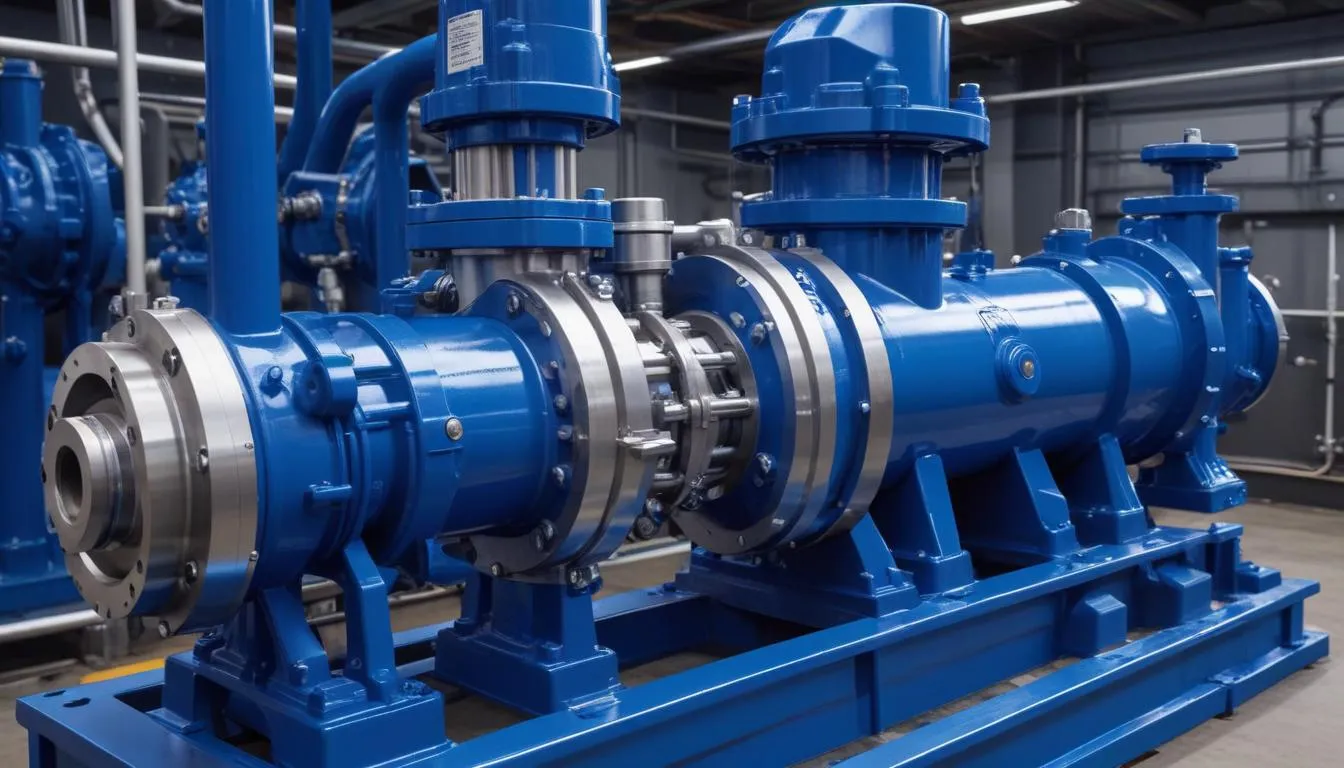
 When considering pump selection, it is essential to understand the various types of pumps available and their specific applications. Different pumps serve unique purposes and are designed to handle a variety of fluids under distinct conditions. Here’s a breakdown of common pump types and their applications:
| Pump Type | Applications |
|---|---|
| Positive Displacement Pumps |
|
| Centrifugal Pumps |
|
| Diaphragm Pumps |
|
| Submersible Pumps |
|
Ultimately, the application of the pump will guide your choice of pump type, taking into account the required flow rates, fluid characteristics, and operational conditions. Understanding these factors will enhance efficiency and reliability in your pumping system. Make sure to consider the environment your pump will operate in, as this can significantly affect its performance and longevity.
Key factors to consider in pump selection
When engaging in pump selection, several key factors need to be carefully considered to ensure optimal performance for your specific application. The following points outline crucial aspects that will guide your decision-making process:
- Fluid Characteristics: Understanding the properties of the fluid you intend to pump is paramount. Factors such as viscosity, temperature, density, and corrosiveness play a significant role in determining the type of pump best suited for your needs. For example, highly viscous fluids may require positive displacement pumps, while low-viscosity fluids are often best handled by centrifugal pumps.
- Flow Rate Requirements: It is essential to establish the flow rate needed for your application. Whether you require a steady flow or variable rates, the chosen pump must meet these specifications to function efficiently. Utilize performance curves to gauge how different pumps can handle various flow demands.
- Pressure Requirements: The operating pressure for your application is another critical factor. Assess the required pressure head to ensure the selected pump can deliver the necessary force to move the fluid through the system effectively. Different pump types are optimized for different pressure ranges, so this information will guide your selection.
- Efficiency and Energy Consumption: Selecting a pump that operates efficiently can lead to significant energy savings. Research the efficiency ratings of prospective pumps and consider the long-term operational costs associated with energy consumption. An efficient pump will not only reduce costs but also enhance the sustainability of your operations.
- Installation and Footprint: Consider the physical space available for the pump installation. Some pumps require more space due to their design and necessary auxiliary components. Evaluate how much room you have, and choose a pump that fits within these constraints while still meeting your performance criteria.
- Maintenance Requirements: The ease of maintenance is vital for the longevity of the pump. Understand the maintenance needs of each pump type and consider how often maintenance will be required. Some pumps are easier to service than others, which can influence long-term costs and operational downtime.
- Manufacturer Reputation and Support: Opt for established manufacturers known for their reliable pumps and excellent customer service. Research the available support, warranty options, and after-sales service to ensure you have reliable assistance throughout the pump’s operational life.
- Cost Considerations: Finally, factor in your budget for the pump selection process. While it’s tempting to choose the cheapest option, consider the total cost of ownership, which includes purchase price, maintenance, energy consumption, and downtime. Striking the right balance between cost and quality will ensure you invest wisely.
By reflecting on these key factors in pump selection, you can ensure that the chosen pump will meet the specific needs of your application while maximizing performance and reducing potential issues down the line.
Evaluating performance specifications and requirements
To make informed decisions regarding pump performance, it’s crucial to evaluate several specifications and requirements that directly influence how well a pump will operate in your application. Begin by assessing flow rate, measured in gallons per minute (GPM) or liters per second (L/s), which indicates the volume of fluid a pump can move. Accurate flow rate requirements are fundamental, as selecting a pump that cannot meet these needs can lead to inefficiencies or system failures.
Next, consider the head pressure, which is the total height the pump must push the fluid. This factor is typically measured in feet or meters and is essential to understanding how effectively a pump can transport fluids against gravity or through resistance in piping systems. Your application may demand overcoming significant vertical lifts or friction losses, making it necessary to verify the pump’s performance curve to ascertain its maximum head capabilities.
Another important specification is pump efficiency. This metric helps you estimate how much energy input is converted into hydraulic energy output. Higher efficiency means lower energy costs, making it a vital consideration for long-term operational savings. You can find efficiency ratings in the pump’s performance documentation; aim for pumps that operate within their optimal efficiency range for best performance.
Additionally, you should analyze the temperature tolerance of the pump materials. Different applications may involve fluids that are at elevated temperatures, which can affect the choice of pump materials and seals. Pumps made from materials like stainless steel or plastic are often employed in high-temperature scenarios to ensure long-lasting performance.
The fluid characteristics play an integral role in performance evaluation. Factors like viscosity and corrosiveness can significantly impact pump selection. For instance, fluids with high viscosity may require a pump designed for smooth operation at low speeds. Pay close attention to the manufacturer’s recommendations regarding the compatibility of pump materials with the specific fluids being used.
It’s also vital to consider the requirements for self-priming, especially if the pump is located above the fluid source or in applications where air entrapment may occur. Ensure that the selected pump can effectively manage its ability to draw fluid into the system without needing extensive priming time.
Finally, during the evaluation process, ensure that any relevant certifications or standards are met as per industry regulations. Compliance with standards such as API, ANSI, or ISO can be critical, not just for safety, but also to guarantee a pump’s reliability and compatibility with your specific application.
The performance specifications of a pump can directly influence the efficiency, longevity, and success of your pumping system. By thoroughly evaluating these aspects, you ensure that your pump selection aligns with the requirements of your application, ultimately contributing to smoother operations and reducing the risk of costly downtimes.
Maintenance tips for ensuring pump longevity
 Regular maintenance plays a crucial role in ensuring the longevity and optimal performance of pumps across various applications. Implementing a structured maintenance plan can prevent unnecessary breakdowns and extend the lifespan of the equipment. Here are several key maintenance tips to keep your pump running smoothly:
- Routine Inspection: Schedule periodic inspections to check for visible signs of wear and tear, corrosion, and leaks. Inspecting seals, gaskets, and connections can help identify issues before they escalate into major problems.
- Cleanliness: Ensure that the pump and its surrounding area are kept clean and free of debris. Contaminants can enter the pump, potentially causing damage. Regularly clean filters to avoid clogs and maintain optimal fluid flow.
- Monitor Operating Conditions: Keep an eye on operating parameters such as pressure, temperature, and flow rate. Any deviations from normal operating conditions could indicate underlying issues that require attention. Establish a baseline for normal operation to easily identify anomalies.
- Lubrication: Ensure that moving parts are adequately lubricated according to the manufacturer’s specifications. Insufficient lubrication can lead to increased friction and wear, significantly shortening the pump’s operational lifespan. Use the appropriate lubricant and maintain a consistent schedule for lubrication checks.
- Seal Maintenance: Regularly check the integrity of seals and packing materials. Worn or damaged seals can lead to leaks and loss of efficiency. Replace seals at intervals recommended by the manufacturer or whenever any signs of deterioration are detected.
- Fluid Quality: The quality of the pumped fluids directly affects pump performance and longevity. Monitor the viscosity, temperature, and chemical composition of the fluids being pumped. Contaminants or incompatible fluids can lead to corrosion and component failure.
- Vibration Analysis: Conduct vibration analyses to detect any unusual patterns that may indicate mechanical issues, such as misalignment or imbalance. Significant changes in vibration can signal potential failures that need immediate attention.
- Documentation: Maintain thorough records of all maintenance activities, inspections, and repairs. Documentation can provide valuable insights into the pump’s operational history, helping to identify recurring issues and informing future maintenance strategies.
By adopting these maintenance practices, users can enhance the reliability and performance of their pumps. A proactive maintenance approach not only reduces the risk of sudden failures but also contributes to more efficient operation, thereby minimizing downtime and costs associated with repairs and replacements. Regular attention to pump health ensures that the equipment continues to meet the demands of its intended application efficiently.
Common mistakes to avoid when choosing a pump
When choosing a pump, several common mistakes can lead to inefficiencies, increased costs, and operational challenges. Awareness of these pitfalls is critical for making informed decisions. Here are some of the most prevalent mistakes to avoid:
- Neglecting Detailed Fluid Analysis: Failing to thoroughly analyze the fluid characteristics can lead to selecting an unsuitable pump type. For instance, choosing a centrifugal pump for a viscous fluid may result in low efficiency, while a positive displacement pump would be more effective. Always conduct a detailed assessment to understand viscosity, corrosiveness, and temperature before making a pump selection.
- Ignoring Flow Rate Requirements: A common mistake is not clearly defining the required flow rate for your specific application. Underestimating or overestimating flow needs can affect pump performance, causing inefficiencies or even failures. Refer to performance charts and calculations to choose a pump that meets the precise flow requirements.
- Overlooking Pressure Requirements: Many users fail to consider the necessary pressure head in their systems. Insufficient pressure can prevent the pump from delivering the needed fluid to the desired location, which could lead to operational issues. Make sure to calculate pressure requirements accurately to avoid selecting a pump that cannot fulfill the application’s demands.
- Underestimating Maintenance Needs: Some choose pumps based solely on initial cost and overlook ongoing maintenance requirements. If a pump requires frequent servicing, it can become more expensive over time than a slightly higher-priced option with lower maintenance needs. Evaluate the maintenance commitments necessary for different pumps, as this factor can significantly impact long-term reliability and total cost of ownership.
- Prioritizing Cost Over Quality: It can be tempting to select the cheapest pump available. However, this often leads to higher costs due to repairs, replacements, and inefficiencies. Evaluate pumps based on their performance, manufacturer reputation, and customer reviews rather than solely on initial price. Quality pumps may offer better energy efficiency and lower maintenance costs in the long run.
- Failing to Consider Environmental Factors: Ignoring the environment in which the pump will operate is a significant oversight. Factors such as temperature, humidity, and exposure to corrosive substances can affect the pump’s durability and efficiency. Ensure that the chosen pump is appropriate for the environmental conditions to avoid premature failure.
- Skipping Manufacturer Support Evaluation: Many users overlook the importance of manufacturer support and warranty policies when selecting a pump. Insufficient support can lead to operational disruptions and difficulties in obtaining replacement parts. Research the manufacturer’s reputation for reliability and the quality of customer service to ensure you will receive necessary assistance throughout the pump’s lifecycle.
- Ignoring Operational Limits: Each pump has specific operational limits on flow rates, pressures, and temperatures. Ignoring these limits can lead to catastrophic failures or decreased pump efficiency. Thoroughly review the specifications and ensure that the chosen pump aligns with the operational limits of your application.
By avoiding these common mistakes, you can make a more informed pump selection that meets your application’s requirements effectively. Proper research and careful consideration of the factors above will lead to better efficiency and reliability in your pumping systems.