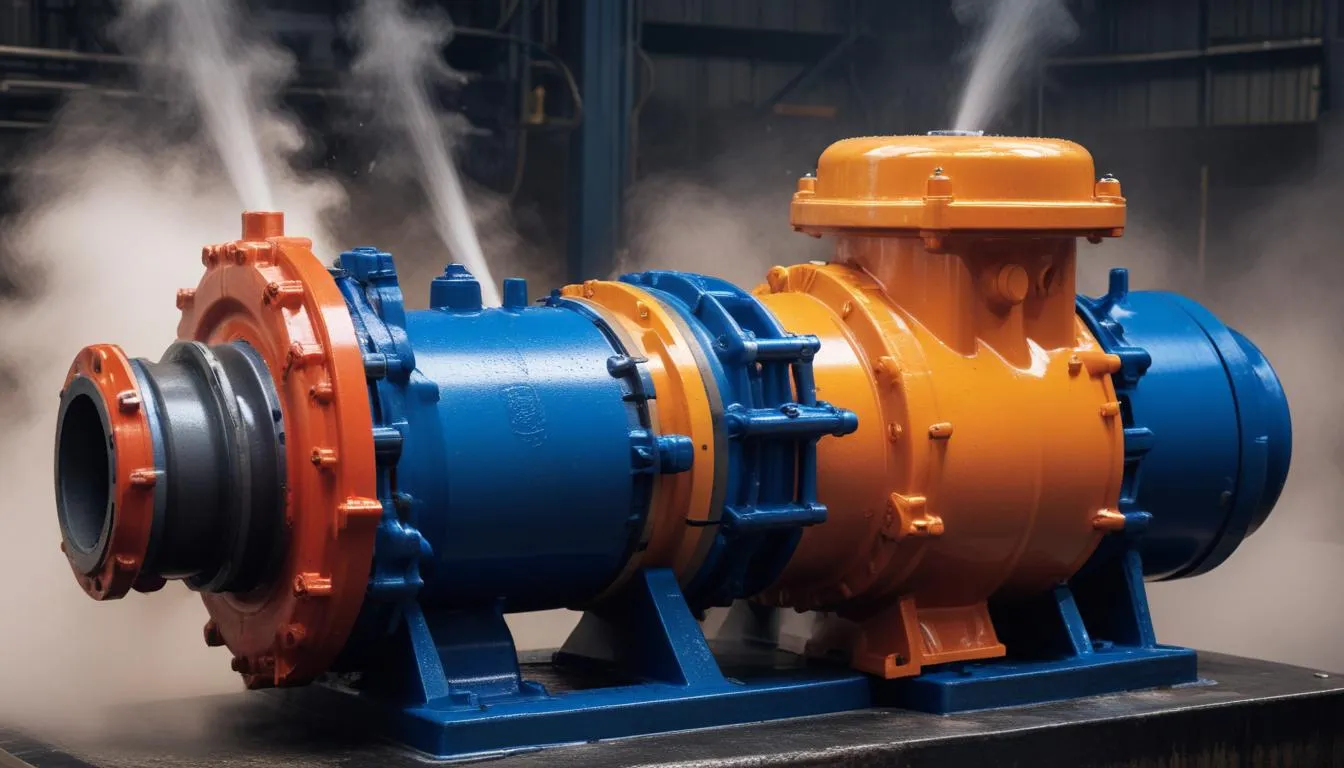
 Viscous fluids are characterized by their high resistance to flow, which can present significant challenges during the pumping process. Understanding the properties of these fluids is crucial for achieving optimal pumping efficiency.
Viscosity, a measure of a fluid’s resistance to deformation, affects how fluids behave under various conditions. For instance, high-viscosity fluids, such as molasses or motor oil, require more energy to pump compared to low-viscosity fluids like water. The relationship between shear rate and viscosity is essential; as shear rate increases, the viscosity may decrease in non-Newtonian fluids, complicating pumping strategies.
When pumping viscous fluids, several factors must be addressed:
- Temperature: Increasing the temperature can reduce viscosity, making fluids easier to pump. However, this can also affect the fluid’s chemical properties.
- Composition: The makeup of the fluid, including the presence of solids or particulates, can impact the flow characteristics and pump selection.
- Pumping Speed: A slower pumping speed may be necessary to avoid cavitation and ensure a steady flow.
Moreover, viscosity can be impacted by external forces such as pressure changes and flow restrictions that occur within the pumping system. Addressing these challenges often involves selecting the right type of pump, such as positive displacement pumps, which are specifically designed for handling viscous fluids effectively.
Some solutions for managing the difficulties involved in pumping viscous fluids include:
- Utilizing heaters or heat exchangers to manage viscosity through temperature control.
- Incorporating agitation systems to promote fluid homogeneity before pumping.
- Employing variable speed drives to optimize the pumping rate based on real-time system conditions.
By understanding the nature of viscous fluids and implementing effective strategies, operators can enhance the efficiency and reliability of their pumping systems.
Types of Pumps for Viscous Fluids
When selecting pumps for pumping viscous fluids, it’s essential to recognize the specific requirements dictated by the fluid’s properties. Various pump types offer distinct advantages and are engineered to handle the challenges associated with high-viscosity substances. Here is a breakdown of the most common pump types used in such applications:
- Positive Displacement Pumps: These pumps are highly effective for pumping viscous fluids as they move fluid by trapping a fixed amount and forcing it into the discharge pipe. They are ideal for high-viscosity fluids and can maintain a steady flow rate, regardless of the fluid’s viscosity.
- Gear Pumps: Known for their precision, gear pumps use rotating gears to pump fluid. They are suitable for viscous and non-viscous fluids alike, making them versatile.
- Screw Pumps: These pumps utilize one or more screws to convey fluids, providing continuous flow and being particularly efficient for viscous materials.
- Diaphragm Pumps: Diaphragm pumps are excellent for handling thick fluids, providing a high degree of sealing and reducing contamination risk.
- Centrifugal Pumps: While typically used for low-viscosity fluids, modifications can make centrifugal pumps applicable for certain viscous fluids. They operate by converting kinetic energy into hydraulic energy, which can be effective under specific conditions, especially at higher flow rates.
- Progressing Cavity Pumps: These pumps are exceptional for viscous fluids, providing a consistent flow. They feature a helical screw within a stationary liner, which allows them to handle fluids with a high solids content and varying viscosities.
Selecting the ideal pump is only the first step in ensuring efficient and successful pumping of viscous fluids. Various factors must be considered to optimize pump performance, including:
- Fluid Characteristics: Utilize the pump’s specifications to match it with the viscosity and properties of the fluid being pumped.
- Expected Flow Rates: Make sure the pump can achieve the desired flow rates without compromising efficiency or performance.
- Piping Layout: The configuration of the piping system can affect the pump’s ability to handle viscous fluids. Proper design minimizes flow restrictions.
Addressing these components holistically enables operators to enhance the reliability of their systems, ensuring consistent and effective transport of viscous fluids. Each pump type presents unique challenges and solutions that need to be thoroughly evaluated to achieve optimal operational results.
Factors Affecting Pump Performance
When assessing pump performance, several critical factors come into play that directly influence the efficiency and effectiveness of pumping viscous fluids. Understanding these elements can significantly improve system performance, reduce downtime, and enhance operational reliability.
- Fluid Viscosity: The primary factor affecting pump performance is the viscosity of the fluid being pumped. As viscosity increases, so does the energy required for pumping, which can lead to reduced flow rates and increased wear on pump components. Maintaining optimal fluid temperature can aid in lowering viscosity, thereby improving pump efficiency.
- Pump Type: Different pump types behave differently under various conditions. For example, positive displacement pumps are generally more effective for pumping viscous fluids than centrifugal pumps, primarily due to their ability to maintain consistent flow rates against varying viscosities.
- Piping Configuration: The design and layout of the piping system can have a profound impact on pump performance. Restrictions, bends, and fittings in the pipeline can create additional pressure drops that hinder flow and increase the power requirements for the pump. Ensuring a smooth, direct path for the fluid can mitigate these challenges.
- Pumping Speed: The speed at which the pump operates significantly affects performance. Slower pumping speeds may prevent cavitation and ensure that the pump does not operate outside its optimal efficiency range, particularly when handling high-viscosity fluids.
- Temperature Control: The temperature of the fluid can dynamically alter its viscosity. Implementing temperature control measures, such as heaters or heat exchangers, can facilitate easier pumping of viscous fluids, allowing for better flow and reduced pump strain.
- Seal and Component Considerations: The materials and design of seals and other critical components must withstand not just the fluid being pumped, but also the pressures involved. Inadequate seals can lead to leaks, losses in efficiency, or even complete pump failure.
To navigate these challenges effectively, operators can implement several strategies that enhance overall system performance:
- Conduct regular maintenance and inspections to ensure that all components are in optimal condition and functioning as intended.
- Utilize variable frequency drives (VFDs) to adjust the pump speed dynamically based on real-time flow requirements, which can help maintain system efficiency.
- Investigate and choose the appropriate pump type that can handle specific fluid characteristics and required operational conditions.
- Monitor key performance indicators, such as pressure drop and flow rates, to identify any potential issues early and ensure continuous optimal performance.
By addressing these factors and implementing strategic solutions, operators can maximize pump efficiency and reliability, minimizing operational disruptions while ensuring effective pumping of viscous fluids.
Best Practices for Pumping Viscous Fluids
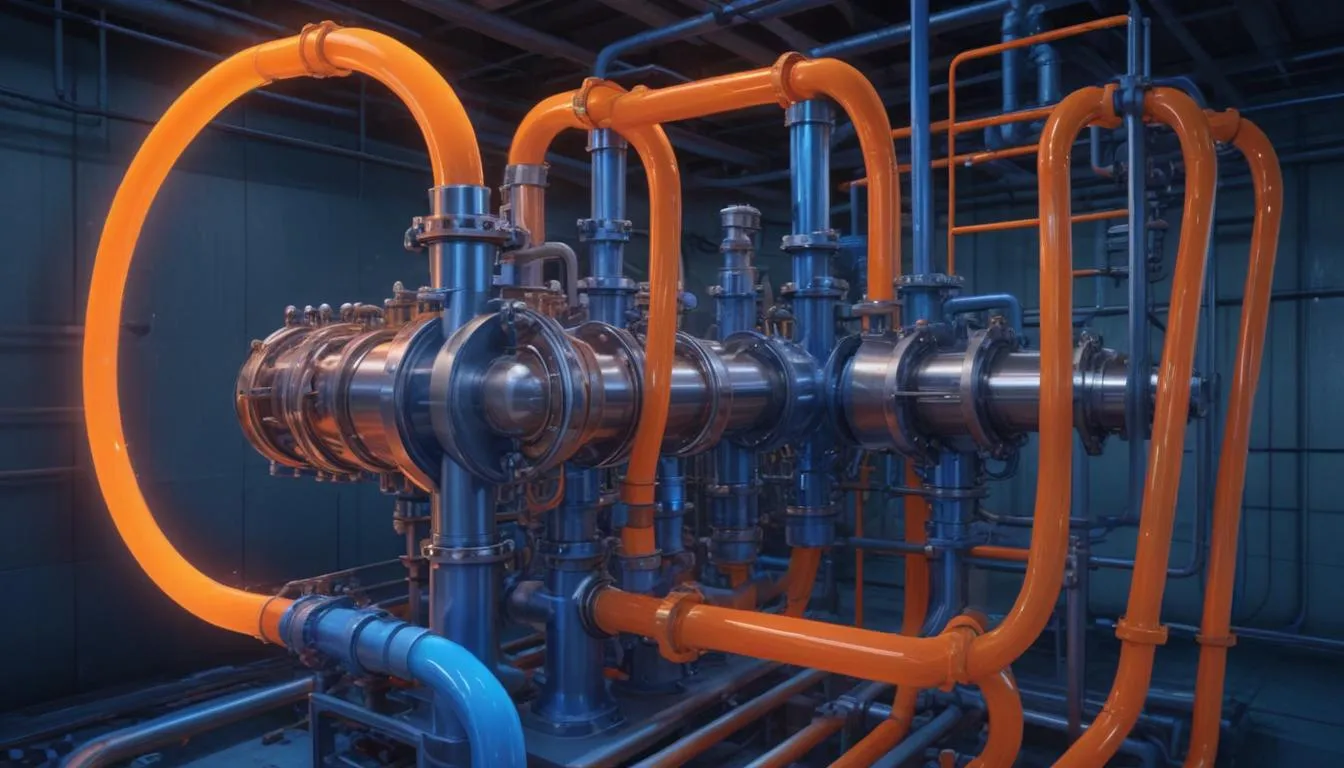 When it comes to effectively managing the complexities involved in pumping viscous fluids, several best practices can enhance system performance and minimize operational challenges. Implementing these strategies can lead to improved flow rates, reduced wear on equipment, and overall operational efficiency.
- Pre-heating Fluids: One of the most effective ways to reduce fluid viscosity is by pre-heating the fluid before it reaches the pump. Utilizing heaters or heat exchangers allows operators to maintain a lower viscosity, making it easier to move the fluid through the system. It’s crucial to monitor temperatures closely to avoid any potential changes in the fluid’s chemical properties.
- Utilizing Agitation: Incorporating agitation systems can help create a uniform fluid mixture, reducing the likelihood of inconsistencies that can hinder flow. Proper mixing ensures that particulates are kept suspended and minimizes issues associated with fluid settling.
- Adjusting Pump Speed: Employing variable speed drives (VSDs) can optimize the pump’s operational speed based on the viscosity of the fluid. Adjusting the flow rate in real-time according to viscosity changes ensures that the pump operates within its optimal range, reducing the risk of cavitation or damage.
- Regular Maintenance: Establishing a robust maintenance schedule is vital for the longevity and performance of pumps handling viscous fluids. Regularly inspect seals, valves, and pump components for wear and tear to avoid unexpected failures and ensure that they operate at peak efficiency.
- Proper Sizing: Ensuring that the pump is correctly sized for the viscosity and flow rate of the fluid is another critical aspect. Over-sizing a pump can lead to inefficiencies, while under-sizing can cause operational failures. Always refer to manufacturer specifications to match pump capacity with fluid characteristics.
- Monitoring System Performance: Continuous monitoring of system parameters, including pressure, flow rates, and energy consumption, can provide insights into operational efficiency. Implementing automated monitoring systems allows for real-time adjustments and can alert operators to any issues before they escalate.
Additionally, operators should consider enhancing the design of the piping layout to ensure minimal bends and restrictions, which can impede flow and increase system pressure. This reduction in resistance, combined with the best practices mentioned above, can lead to a significant improvement in the efficiency of pumping viscous fluids.
By adopting these best practices, companies can effectively navigate the various challenges that arise when working with viscous fluids, ensuring optimal performance and reliability of their pumping systems. Keeping a focus on the aforementioned strategies will allow for improved results and reduced downtime in operations.
Troubleshooting Common Pumping Issues
When addressing issues that arise during the pumping of viscous fluids, it is crucial to identify the symptoms and implement effective solutions to maintain operational efficiency. Here are common problems encountered and their respective troubleshooting methods:
- Cavitation: This occurs when the pressure in the pump drops below the vapor pressure of the fluid, leading to the formation of vapor bubbles that collapse violently, causing damage.
- Solutions include ensuring adequate net positive suction head (NPSH) by reducing suction line lengths, using larger diameter pipes, or increasing the fluid temperature to lower viscosity.
- Reduced Flow Rate: A drop in flow rate may result from viscosity fluctuations, blockages, or pump wear.
- To address this, regularly inspect the system for obstructions and clean filters. Also, evaluate the pump condition and consider replacing worn components that could hinder fluid movement.
- Overheating: Excessive heat can lead to fluid degradation and pump failure.
- Solutions include implementing cooling systems, ensuring proper ventilation, and monitoring system temperatures closely. Adjusting the pump speed can also help manage heat build-up.
- Leaks: Leaking fluids can occur at seal points, causing inefficiencies and safety hazards.
- To prevent leaks, ensure seals are made of compatible materials with the fluid’s properties and conduct periodic maintenance to replace worn seals promptly.
- Inconsistent Flow: Variations in viscosity may lead to erratic flow rates, impacting system reliability.
- Utilizing a variable frequency drive (VFD) can help adjust the pump operation based on real-time viscosity changes, stabilizing the flow.
Monitoring key performance indicators, such as inlet pressure, outlet pressure, and flow rate, can help operators identify issues before they escalate. Regular maintenance schedules, including inspections and timely replacements of critical components, will enhance the longevity and effectiveness of pumps dealing with viscous fluids.
Incorporating automation and advanced monitoring systems can also facilitate real-time adjustments to optimize performance, ensuring that the challenges of pumping viscous fluids are effectively managed and resolved, leading to improved operational efficiency and system reliability.