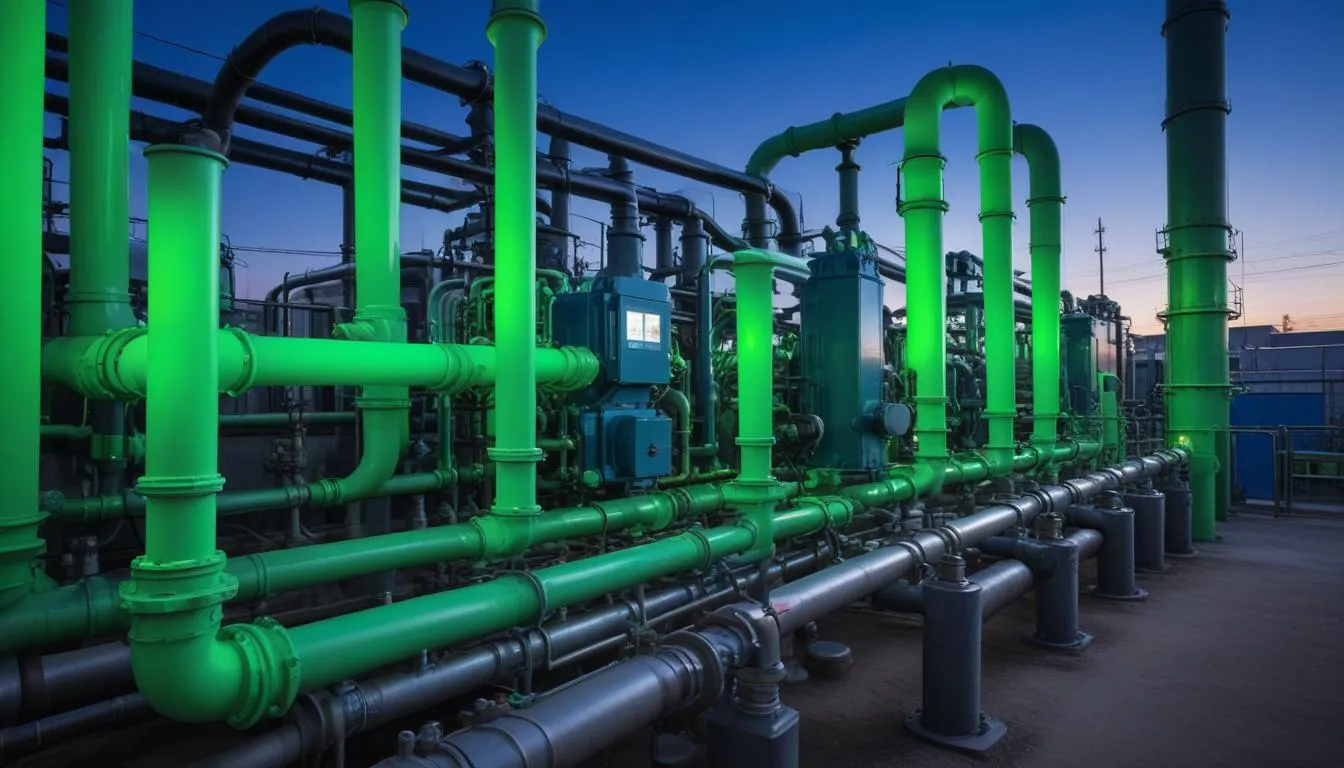
 Energy efficiency in pump systems is crucial for reducing operational costs and minimizing environmental impact. Pump systems account for a significant portion of industrial energy consumption, and enhancing their efficiency can lead to substantial savings. Implementing effective energy efficiency strategies not only lowers energy bills but also contributes to prolonged equipment lifespan and reduced greenhouse gas emissions.
Energy efficiency is defined as utilizing less energy to perform the same task. In pump systems, achieving this involves optimizing various components and processes. Key aspects influencing energy efficiency include:
- System Design: A well-designed pump system ensures that pumps operate at their best efficiency point (BEP), reducing energy wastage.
- Pump Selection: Choosing the right type and size of pump is essential for optimal performance, as mis-sized pumps can lead to inefficiencies.
- Variable Speed Drives (VSDs): Utilizing VSDs allows pumps to adjust speed according to demand, leading to significant energy savings compared to fixed-speed operations.
- Regular Maintenance: Preventive maintenance ensures that pumps and associated equipment remain in good working order, maximizing their efficiency.
Moreover, identifying and addressing inefficiencies in existing systems can further improve performance. Simple measures, such as eliminating pipe leaks, optimizing piping design, and minimizing bends and fittings, play a crucial role in enhancing efficiency.
Incorporating energy efficiency into pump systems is not just a matter of cost-saving; it’s an imperative strategy for sustainability. Companies adopting these practices will not only enjoy lower operational costs but also align with global initiatives to reduce energy consumption and carbon emissions, positioning themselves as leaders in sustainability within their industries.
Types of Energy-Efficient Pumps
In the quest for improved energy efficiency, several types of pumps stand out for their ability to perform effectively while consuming less energy. Understanding the various types of energy-efficient pumps can help operators make informed choices that align with sustainability objectives and cost-saving goals.
1. Centrifugal Pumps: These are among the most common types of pumps used in industrial applications. Centrifugal pumps can be optimized for energy efficiency by selecting designs that reduce friction losses and enhance hydraulic performance. When configured properly, they operate efficiently across a range of flow rates.
2. Positive Displacement Pumps: Known for their ability to handle varying viscosities, positive displacement pumps maintain a consistent flow rate regardless of changes in pressure. Their design allows for energy-efficient operation in applications like chemical transfer, where precision is critical.
3. Regenerative Turbine Pumps: These pumps offer high efficiency in applications with lower flow rates. They are characterized by their ability to create high head pressure while using minimal energy. This makes them ideal for situations where space is limited, and energy consumption needs to be minimized.
4. Vertical Turbine Pumps: These pumps are particularly efficient for deep-well applications, often used in water supply and irrigation. Their vertical design reduces the footprint and can be configured to operate with variable speed drives for enhanced energy management.
5. Submersible Pumps: Installed below the fluid surface, submersible pumps minimize energy loss due to cavitation and are often utilized in sewage and drainage applications. They not only offer high efficiency but also improve reliability by being submerged in the fluid they pump.
When selecting energy-efficient pumps, it is crucial to consider the system design and the specific application requirements. Implementing best practices while choosing the right pump type can enhance performance significantly. Each type of pump presents unique advantages, so understanding the specific needs of the pump system is essential for maximizing energy efficiency.
Additionally, effective pump control strategies should be employed to further boost efficiency. For example, using variable frequency drives can optimize the pump’s operation across diverse load conditions, leading to decreased energy use during off-peak periods.
To reinforce the selection of energy-efficient pumps, operators should consider the following criteria during the selection process:
| Criteria | Description |
|---|---|
| Efficiency Ratings (BEP) | Choosing pumps that operate close to their best efficiency points reduces wasted energy. |
| Material Compatibility | Ensure pumps are made from materials that withstand the fluid being pumped, minimizing maintenance costs. |
| Flow Rate Requirements | Select pumps based on the specific flow rate needed for the application to avoid oversizing. |
| Maintenance and Support | Evaluate the availability of service and support for the chosen pump type to ensure long-term efficiency. |
By judiciously selecting and employing various types of energy-efficient pumps, industries can significantly enhance the performance of their pump systems, translating to substantial savings in energy costs and overall operational efficiency.
Factors Influencing Pump Efficiency
Proper attention to various elements can dramatically influence the overall energy efficiency of pump systems. A myriad of factors can either enhance or hinder pump performance, making it essential for operators to understand their impact.
Operational Conditions: The conditions under which pumps operate play a critical role in their efficiency. Variations in temperature, fluid viscosity, and pressure can affect how well a pump performs. For instance, higher fluid viscosity often leads to increased energy consumption. Selecting pumps designed for specific operational conditions ensures they operate within their optimal range, maximizing energy efficiency.
Piping Layout: The design and layout of the piping system significantly impact the performance of pump systems. Efficient piping design minimizes bends, fittings, and other obstructions that can create turbulence and additional friction losses. Streamlined piping paths enhance flow and reduce the energy required to move fluids, leading to improved pump efficiency.
System Integration: The interaction between different components in the pump system can also influence energy efficiency. Properly integrating pumps with motors, drives, and controls allows for smoother operation and optimal performance. For example, using variable speed drives (VSDs) in conjunction with proper system controls enables pumps to adapt to varying demand levels, reducing energy consumption during periods of low flow.
Age and Condition of Equipment: The age and maintenance history of pumps significantly affect their efficiency. Older pumps may suffer from wear and tear, which can lead to reduced performance and increased energy consumption. Regular inspections and maintenance are essential to identify potential issues before they escalate. Upgrading to newer, more efficient models can also result in significant energy savings.
Fluid Characteristics: Understanding the properties of the fluid being pumped, such as its density, temperature, and corrosiveness, is vital for selecting the appropriate pump. Different fluids can affect the efficiency of pumping systems, and selecting a pump that is optimized for a specific fluid can result in enhanced operational efficiency.
In conclusion, operators must consider these various factors when designing and operating their pump systems. By addressing operational conditions, optimizing piping layouts, ensuring proper system integration, maintaining equipment, and understanding fluid characteristics, significant improvements in energy efficiency can be achieved. Implementing these strategies helps organizations achieve sustainability goals while keeping operational costs in check.
Best Practices for Pump System Design
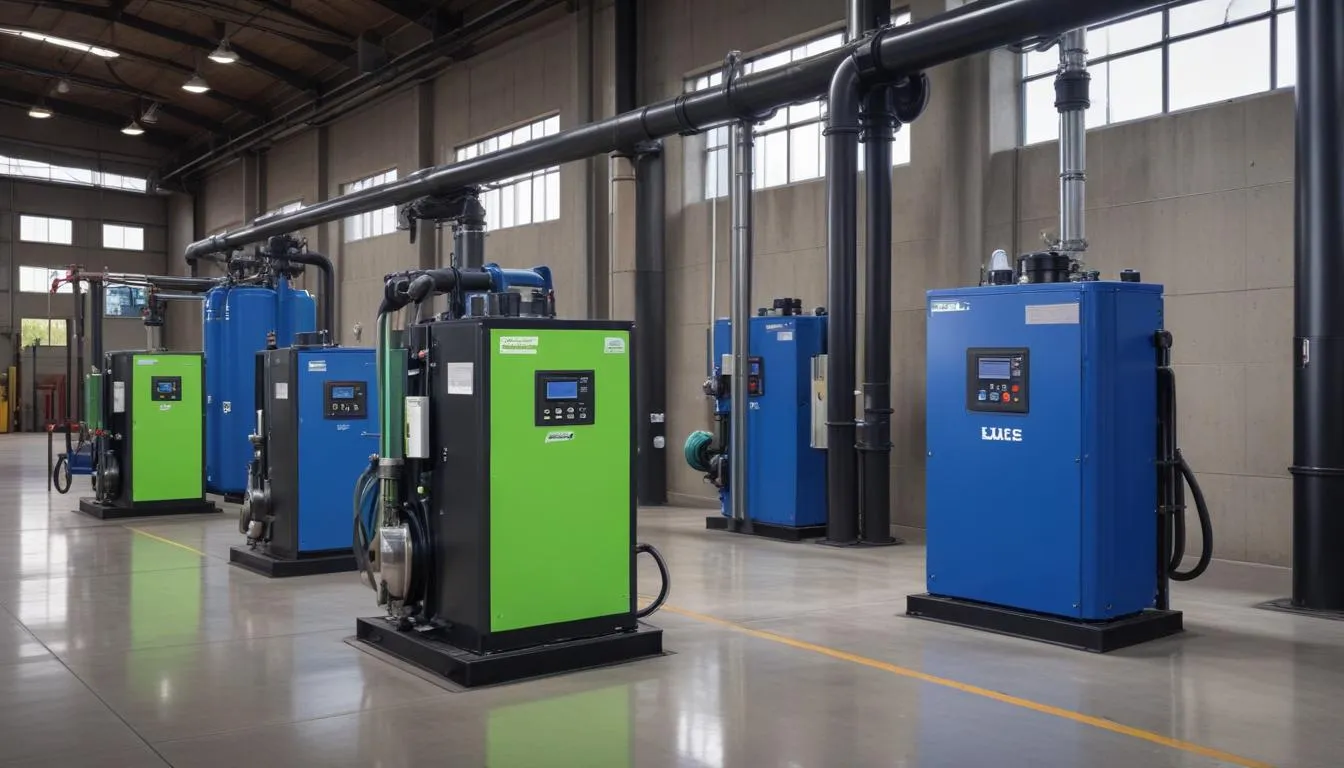 Designing a pump system with energy efficiency in mind requires a strategic approach that encompasses various considerations. Implementing best practices can significantly enhance the overall performance of pump systems, leading to reduced energy consumption and operational costs.
- Conduct a Comprehensive System Assessment: Before the design phase, perform a detailed analysis of the existing system to identify inefficiencies. Assess current pump performance, operational parameters, and layout to determine necessary improvements.
- Proper Pump Sizing: Select pumps based on the specific flow and head requirements of the application. Undersized or oversized pumps can lead to operational inefficiencies. Always choose a pump that operates near its best efficiency point (BEP) to maximize energy efficiency.
- Optimize Piping Layout: Design the piping system to minimize bends, fittings, and restrictions. Use straight runs whenever possible to reduce friction losses, which can significantly enhance the efficiency of the entire system.
- Incorporate Variable Speed Drives: Utilize variable speed drives (VSDs) to adjust the pump’s speed according to demand. This approach not only saves energy but also allows for better control over the pumping process, increasing responsiveness to changing conditions.
- Implement Automatic Controls: Integrate advanced controls within the pump system that automatically adjust variables such as speed and flow based on real-time monitoring. This will ensure optimal performance and energy usage at all times.
- Ensure Proper Installation: Follow best practices for pump installation, including alignment and leveling. Misalignment can lead to increased wear and energy consumption, diminishing overall efficiency.
- Routine Maintenance Practices: Establish a routine maintenance schedule to keep pumps and associated equipment in optimal condition. Regular checks can prevent inefficiencies due to wear and tear, keeping the system running smoothly.
- Use High-Quality Components: Opt for high-efficiency pumps and reliable accessories to enhance overall system performance. Investing in quality components often leads to long-term savings and improved energy efficiency.
- Educate Operators: Train personnel on the importance of energy-efficient operations and proper maintenance techniques. Knowledgeable operators are better equipped to make decisions that enhance the efficiency of pump systems.
- Analyze Performance Data: Utilize performance monitoring tools to gather data on pump system operations. Analyzing this data can provide insights into areas for improvement and confirm that energy efficiency goals are being met.
Incorporating these best practices into the design of pump systems not only maximizes energy efficiency but also enhances the sustainability of operations. By strategically planning and implementing these measures, organizations can achieve better performance while contributing to their environmental responsibility goals.
Technological Innovations in Pump Efficiency
Technological advancements continue to pave the way for enhanced energy efficiency in pump systems, leading to significant improvements in operational performance. The integration of intelligent systems, enhanced materials, and innovative designs has positioned modern pumps as key players in energy conservation strategies across various industries.
One of the pivotal innovations in this area is the adoption of smart pump technology, which incorporates sensors and predictive analytics to optimize performance. These systems can monitor various parameters in real-time, such as flow rates, pressure, and even energy consumption. By leveraging data analytics, operators can adjust pump operations dynamically, ensuring they only use the necessary energy to meet process demands. This not only enhances efficiency but also reduces wear and tear on equipment, prolonging its lifespan.
Another noteworthy advancement is the use of high-efficiency motors that significantly reduce energy consumption compared to traditional models. These motors utilize advanced designs that minimize energy losses. Coupled with variable frequency drives (VFDs), they allow for precise control over pump speed and output, matching the pump operation with the actual demand. This synergy results in reduced energy waste and operating costs.
Digital twins represent a groundbreaking concept where a virtual model of a pump system is created. This simulation enables operators to test different scenarios and predict outcomes without disrupting actual operations. By analyzing performance metrics through digital twins, businesses can identify inefficiencies, forecast maintenance needs, and implement improvements effectively, thereby enhancing their overall energy efficiency.
The use of advanced materials in pump construction also contributes to better performance. Innovative composite materials possess superior resistance to corrosion and wear, allowing pumps to operate efficiently over longer periods without requiring frequent replacements or extensive maintenance. Such longevity is crucial in maintaining energy efficiency, as older, less efficient pumps can significantly inflate operating costs.
Moreover, energy recovery devices are increasingly integrated into pump systems. These devices capture excess energy from the fluid dynamics within the system and reinject it into the process, effectively reducing the net energy requirement for the pump operation. This not only saves energy but can also provide a return on investment through lowered energy bills.
Enhancements in system integration and automation play a significant role in optimizing the operations of pump systems. With the incorporation of IoT (Internet of Things) technologies, pumps can communicate with each other and other system components to optimize workflow, balance loads, and manage resources effectively. Automated systems also enable predictive maintenance, wherein potential failures are identified before they cause downtime or inefficiencies.
In summary, the combination of smart technologies, high-efficiency components, advanced materials, and integrated systems are transforming how pump systems operate, focusing on energy efficiency as a cornerstone of modern design and operation strategies. By staying abreast of these innovations, companies can leverage enhanced performance, reduced costs, and a smaller environmental footprint.