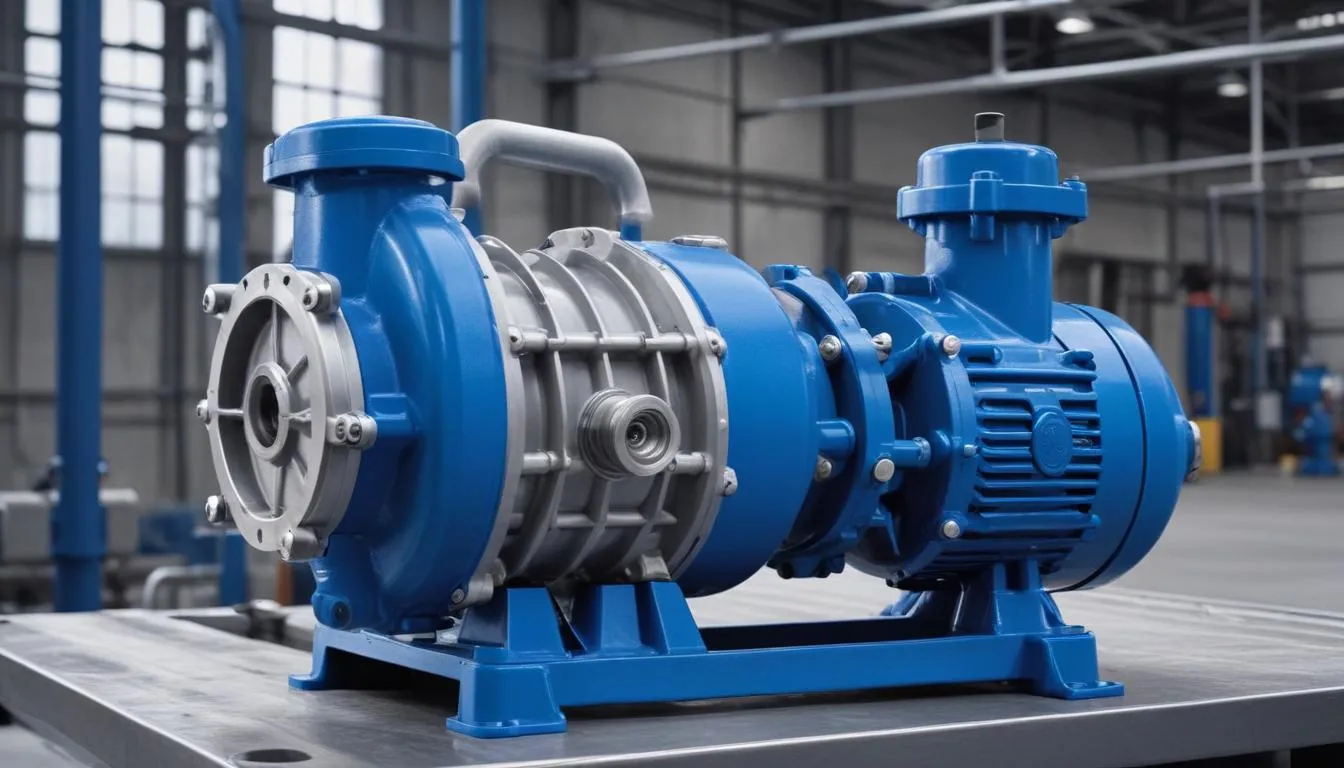
 Rotary diaphragm pumps operate based on a unique mechanism that involves the movement of a flexible diaphragm. This diaphragm is activated by a rotary motion, enabling the pump to efficiently move fluids through its system. The key components include an electric motor, a crank mechanism, and the diaphragm itself, which creates a sealed chamber that allows for the suction and discharge of fluid.
- Operation: The rotary diaphragm pumps function by converting rotary motion into linear motion, which is essential for the diaphragm’s flexing action. When the diaphragm moves up, it creates a vacuum that draws fluid into the pump’s chamber. As the diaphragm moves down, it compresses the fluid, pushing it out through the discharge port.
- Advantages: One significant advantage of rotary diaphragm pumps is their ability to handle various fluids, including corrosive and viscous materials. Additionally, they offer a high level of efficiency with minimal pulsation, which results in smooth flow. The diaphragm’s design allows for a self-priming operation, making them suitable for applications where the pump needs to operate above the fluid source.
Furthermore, these pumps are known for their durability and low maintenance needs, which make them ideal for continuous operation in demanding environments. Their capacity to operate at varying speeds and pressures enhances their versatility across different applications, from chemical processing to food and beverage industries.
In summary, rotary diaphragm pumps stand out for their operational efficiency and the numerous advantages they offer in fluid handling, positioning them as a reliable choice for a wide range of industrial applications.
Types of rotary diaphragm pumps
Rotary diaphragm pumps can be classified into several types based on their design and operational mechanisms. These classifications enable users to select the most suitable pump for their specific applications and fluid handling requirements.
- Standard Rotary Diaphragm Pumps: These pumps operate with a simple mechanism and are primarily used for general fluid transfer. They provide a reliable performance for various non-corrosive liquids. Advantages include their ease of maintenance and relatively low cost, making them popular in many industries.
- Chemical Rotary Diaphragm Pumps: Designed for transferring corrosive and hazardous chemicals, these pumps feature specialized materials such as PTFE or stainless steel for their construction, ensuring safe operation. They excel in chemical processing plants, providing a high level of safety and efficiency. Their operation involves precise control to handle a variety of chemical compositions, making them essential in laboratories and manufacturing environments.
- Food-Grade Rotary Diaphragm Pumps: These pumps are constructed using materials that comply with health and safety regulations governing the food and beverage industry. They maintain the purity of the fluid while also ensuring that the pumps are easy to clean and sterilize. The advantages of food-grade pumps extend to their ability to handle viscous products like syrups and sauces, providing a hygienic solution for food processing.
- High-Pressure Rotary Diaphragm Pumps: Designed to handle fluids at elevated pressures, these pumps are suitable for applications requiring high flow rates and significant resistance to pressure fluctuations. They are often used in hydraulic systems and heavy-duty industrial processes.
- Self-Priming Rotary Diaphragm Pumps: These pumps are designed to automatically remove air from the suction line, enabling them to operate above the source of the fluid. This feature enhances their versatility, especially in applications where the fluid source may be lower than the pump itself.
Choosing the right type of rotary diaphragm pump is crucial for maximizing efficiency and ensuring the safety and reliability of the operation. Each type has been engineered to suit specific fluids and conditions, making them a flexible choice across various industries, including chemical, food and beverage, and water treatment sectors.
Applications and industries
Rotary diaphragm pumps find widespread application across various industries due to their unique design and reliable operation. Their ability to handle diverse fluids, including corrosive, viscous, and sanitary materials, makes them invaluable in multiple sectors.
- Chemical Processing: Rotary diaphragm pumps are extensively used in the chemical industry for transferring hazardous and corrosive fluids. The advantages of their chemical-resistant construction allow safe handling of a wide range of chemicals, accommodating fluctuating pressures and flow rates.
- Food and Beverage: In food processing, rotary diaphragm pumps are essential for transferring ingredients like sauces, syrups, and dairy products. Their food-grade variants ensure compliance with health regulations while maintaining product integrity. The operation of these pumps minimizes contamination risks, making them highly efficient for sanitary applications.
- Water and Wastewater Treatment: These pumps are ideal for managing wastewater and water treatment processes. Their durability and self-priming capabilities allow them to handle dirty water and sludge effectively, ensuring continuous operation in tough environments.
- Pulp and Paper: In the pulp and paper industry, rotary diaphragm pumps are utilized for transporting liquid pulps and various chemicals involved in the paper-making process. Their resistance to abrasion helps extend the lifespan of equipment.
- Pharmaceuticals: The pharmaceutical sector relies on rotary diaphragm pumps for precise and safe transfer of active ingredients. Their ability to operate without contamination is critical in producing high-quality medicines.
- Mining and Mineral Processing: Rotary diaphragm pumps are also employed in the mining sector to manage slurries and handle the transfer of water and chemicals used in mineral processing. Their robust design accommodates the challenging conditions typically found in mining operations.
The versatility of rotary diaphragm pumps allows for tailored solutions in diverse operational environments, enhancing productivity and efficiency across numerous applications. Whether dealing with delicate food products, hazardous chemicals, or robust industrial processes, these pumps provide reliable service that meets industry demands. Their broad applicability and operational efficiency help position rotary diaphragm pumps as a critical component in modern fluid handling systems.
Maintenance and troubleshooting
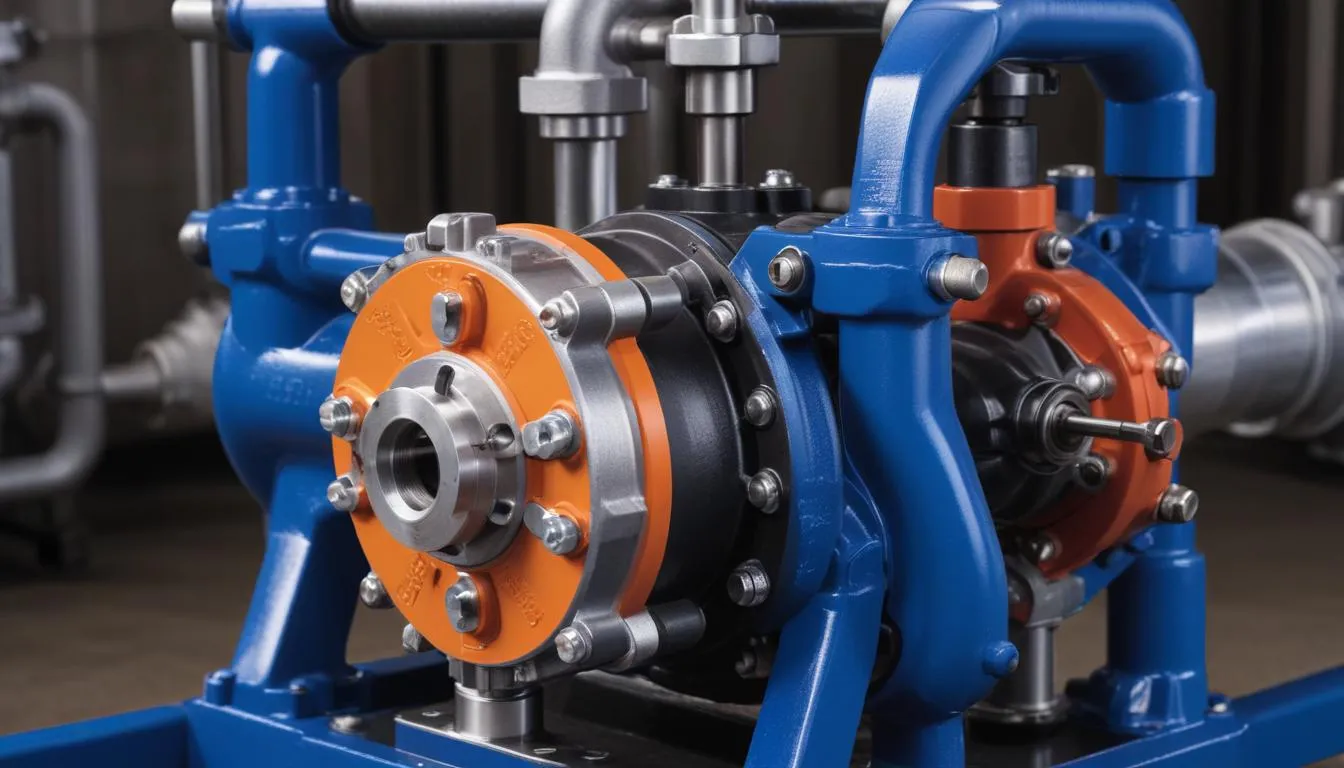 Routine maintenance and proper troubleshooting are crucial to ensure optimal performance and longevity of rotary diaphragm pumps. Regular inspection and prompt attention to any arising issues can help prevent unexpected downtime and costly repairs.
- Routine Maintenance: Establishing a consistent maintenance schedule is essential for the reliable operation of rotary diaphragm pumps. Recommended procedures include:
- Visual Inspection: Regularly check for any signs of wear or damage on the diaphragm and other components. Ensure that there are no fluid leaks around the fittings and connections.
- Fluid Checks: Monitor the fluid being pumped to confirm it is compatible with the pump material. Use appropriate fluids to prevent chemical reactions that could damage the pump.
- Cleaning: Routinely clean the pump surfaces and remove any debris that may impact performance. If the pump handles food-grade products, follow hygiene guidelines to ensure cleanliness.
- Lubrication: Ensure that bearings and other moving components are adequately lubricated as specified by the manufacturer. Proper lubrication reduces friction and wear, enhancing the pump’s lifespan.
- Common Troubleshooting Issues: If performance issues arise, prompt troubleshooting can help identify and resolve problems efficiently. Common issues include:
- No Flow or Reduced Flow: This can result from blockages in the intake line or filter, a malfunctioning diaphragm, or inadequate power supply. Check for and clear any obstructions, and inspect the diaphragm for tears or failures.
- Excessive Pulsation: Pulsation may indicate problems with the diaphragm or wear in the pump mechanism. Inspect the diaphragm for signs of wear and consider replacing it to restore smooth operation.
- Unusual Noises: Sounds such as grinding or excessive vibration may indicate a lack of lubrication or damaged bearings. Check all moving parts and ensure proper lubrication to minimize wear.
- Overheating: Overheating may occur due to lubrication failure or excessive friction. Inspect and resolve any sources of overheating, and ensure that the pump is not operated beyond its specified limits.
In addition to these preventative measures, operators should refer to the manufacturer’s manual for specific guidelines on maintenance practices and troubleshooting. Following the provided recommendations will help maximize the advantages of rotary diaphragm pumps, ensuring their reliability and efficiency across various applications. Engaging in proactive maintenance not only enhances the operational resilience of the pump but also significantly reduces the chances of major malfunctions, ensuring continuous service and satisfaction.
Advantages and limitations
- Advantages of Rotary Diaphragm Pumps: One of the primary benefits of rotary diaphragm pumps is their ability to handle a wide range of fluids, including corrosive, viscous, and shear-sensitive materials. This versatility makes them well-suited for various industries such as chemical processing, food and beverage, and pharmaceuticals. Other advantages include:
- Low Maintenance Requirements: Due to their simple design and fewer moving parts, rotary diaphragm pumps generally require less maintenance than other pump types, resulting in reduced operational costs.
- Self-Priming Capability: These pumps can effectively operate above the fluid source, making them advantageous in applications where gravity isn’t sufficient for fluid movement.
- High Efficiency: Rotary diaphragm pumps offer a consistent flow rate with minimal pulsation, which contributes to their efficiency and is especially beneficial in applications requiring precision.
- Durability: These pumps are engineered to withstand harsh operating environments, ensuring a longer lifespan and reliable performance even in challenging conditions.
- Limitations of Rotary Diaphragm Pumps: Despite their numerous advantages, rotary diaphragm pumps also come with a few limitations that users should consider:
- Limited High-Pressure Capability: While they perform well at moderate pressures, rotary diaphragm pumps may not be suitable for extremely high-pressure applications, which can limit their functionality in certain industries.
- Potential for Diaphragm Wear: Over time, the diaphragm can wear out or become damaged, necessitating regular inspection and replacement to maintain optimal operation.
- Cost of Specialized Types: While standard models are cost-effective, specialized types, such as food-grade or chemical-resistant pumps, can be significantly more expensive, which may not fit every budget.
- Flow Rate Limitations: For applications requiring very high flow rates, rotary diaphragm pumps may not be the most efficient choice compared to other pump designs, such as centrifugal pumps.
Balancing the advantages and limitations of rotary diaphragm pumps is essential for selecting the right pump for specific applications. By understanding their operational characteristics and industry capabilities, users can make informed decisions that align with their fluid handling needs.