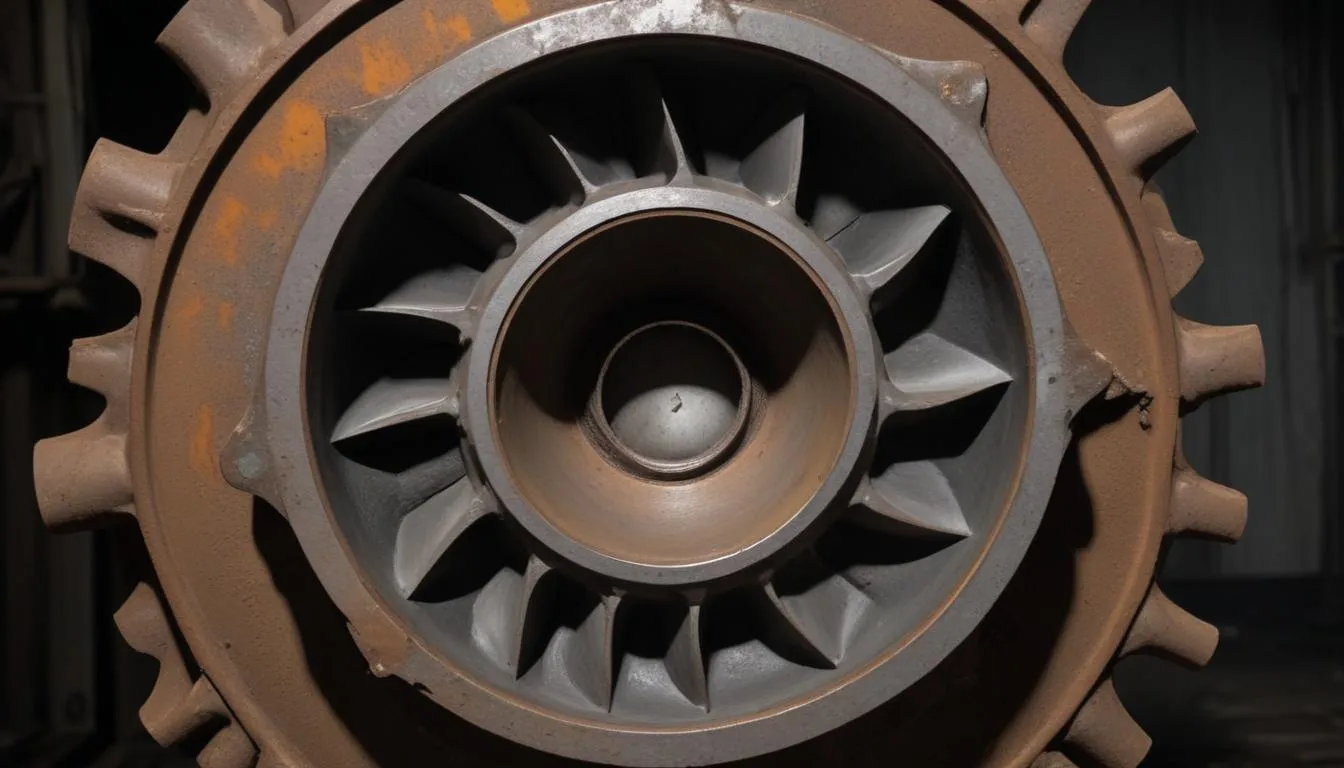
 Pump failure occurs when a pump fails to operate effectively, leading to a reduction or complete cessation of fluid movement. This malfunction can result in significant operational downtime and increased maintenance costs. Understanding the complexities of pump systems is vital for effective prevention and maintenance strategies to mitigate these risks.
Several factors contribute to pump failure, including mechanical, hydraulic, and electrical issues. Mechanical failures may arise from wear and tear of components like bearings, seals, and impellers. Improper installation or misalignment can lead to excessive vibration, further exacerbating the potential for failure. Hydraulic problems include cavitation, which occurs when vapor bubbles form in the fluid and collapse violently, causing damage to the pump. Electrical failures, often manifested as motor issues or power supply disturbances, can disrupt the pump’s operation.
To effectively combat pump failure, it is crucial to establish a systematic approach to understanding pump operations and potential risks. Implementing regular inspection and service routines allows for early detection of anomalies. These practices encompass:
- Visual Inspections: Regularly check for leaks, unusual noises, or vibrations that may indicate underlying issues.
- Performance Monitoring: Track flow rates, pressures, and energy consumption to identify deviations from normal operating conditions.
- Historical Data Analysis: Maintain records of past performance and failures to identify patterns that may inform future maintenance schedules.
Furthermore, utilizing diagnostic tools can enhance understanding of pump conditions, facilitating timely intervention before issues escalate into failures. Adopting these prevention strategies will significantly reduce the risk of pump failure, maintaining operational efficiency and reducing downtime.
Common Causes of Pump Failure
Several key factors contribute to pump failure, and identifying these causes is critical for developing effective prevention and maintenance strategies. Understanding these common culprits can significantly enhance system reliability and operational efficiency.
- Mechanical Failures: These occur due to wear and tear on critical parts such as bearings, seals, and impellers. Over time, components can degrade due to friction, bearing misalignment, and poor lubrication practices. Excessive vibration from misalignment not only accelerates wear but can also lead to catastrophic failures.
- Cavitation: A prevalent hydraulic issue, cavitation happens when the pressure in the pump drops below the vapor pressure of the liquid, forming vapor bubbles. When these bubbles collapse, they create shockwaves that can cause severe damage to internal components and lead to pump failure.
- Blockages: Obstructions in the pump system, such as debris or scale buildup, can reduce flow rates and increase pressure, ultimately stressing the pump and leading to potential failure. Regular inspections and cleaning can mitigate this risk.
- Electrical Issues: Electrical failures can stem from motor malfunctions or power supply interruptions. Inadequate power supply can lead to phase imbalance or overheating, causing motors to stall or burn out. Monitoring electrical performance can prevent such failures.
- Overheating: Pumps operate efficiently within a specific temperature range. If the pump runs too hot due to insufficient cooling or overloading, it can lead to material degradation and ultimately cause failure. Regular thermal monitoring can help maintain optimal operating conditions.
- Improper Installation: Incorrect installation practices, such as inadequate mounting or poor alignment, can lead to noise, vibration, and eventual mechanical failure. Ensuring proper installation can significantly enhance pump longevity.
Recognizing these common causes of pump failure can guide maintenance personnel in implementing targeted prevention strategies. By focusing on these core issues, organizations can minimize the occurrences of pump failure, safeguard their operations, and optimize maintenance efforts for enhanced productivity.
Preventative Maintenance Practices
To ensure the longevity and reliability of pumping systems, adopting a comprehensive approach to preventative maintenance is essential. Implementing structured maintenance practices not only helps prevent pump failure but also enhances overall operational efficiency.
Key preventative maintenance practices include:
- Routine Inspections: Conduct regular inspections to identify potential issues. This includes checking for leaks, listening for unusual noises, and feeling for excessive vibrations. Consistent monitoring allows for early detection of problems, enabling timely interventions.
- Lubrication Maintenance: Ensure that all moving parts are adequately lubricated to minimize friction and wear. Use the appropriate lubricant type, and adhere to the recommended schedules for reapplication to prevent mechanical failures. Regular checks of lubrication levels are crucial to avoiding pump failure.
- Cleaning and Debris Removal: Regularly clean filters and strainers to prevent blockages that can lead to stressed pumps and eventual failure. A clean system promotes better flow and reduces operational strain on the pump.
- Calibration and Adjustment: Regularly calibrate the pump settings to accommodate any changes in system requirements. This practice ensures that pumps operate within their designed parameters, minimizing the risk of overheating and mechanical stress.
- Scheduled Overhauls: Develop a schedule for complete pump overhauls based on operational hours and performance history. This proactive measure allows for the replacement of worn-out parts before they lead to failures, helping maintain peak pump efficiency.
- Monitoring Key Performance Indicators (KPIs): Utilize monitoring systems to track critical KPIs, such as pressure, flow rate, and temperature. Anomalies in these metrics can be indicative of potential issues, allowing for timely maintenance actions to prevent pump failure.
- Employee Training: Invest in training for maintenance personnel on best practices and the latest technologies in pump maintenance. An informed team can recognize warning signs early and implement preventive measures effectively.
Creating a detailed maintenance log that documents all inspections, repairs, and replacements is also crucial. This log serves as a valuable resource for identifying trends and patterns in pump performance, guiding further maintenance efforts and supporting informed decision-making regarding upgrades or replacements.
By adhering to these preventative maintenance practices, organizations can significantly reduce the likelihood of pump failure, leading to enhanced operational efficiency and cost savings in the long run. Regular maintenance not only protects the investment in pump systems but also optimizes their performance and lifespan.
Monitoring and Diagnostic Techniques
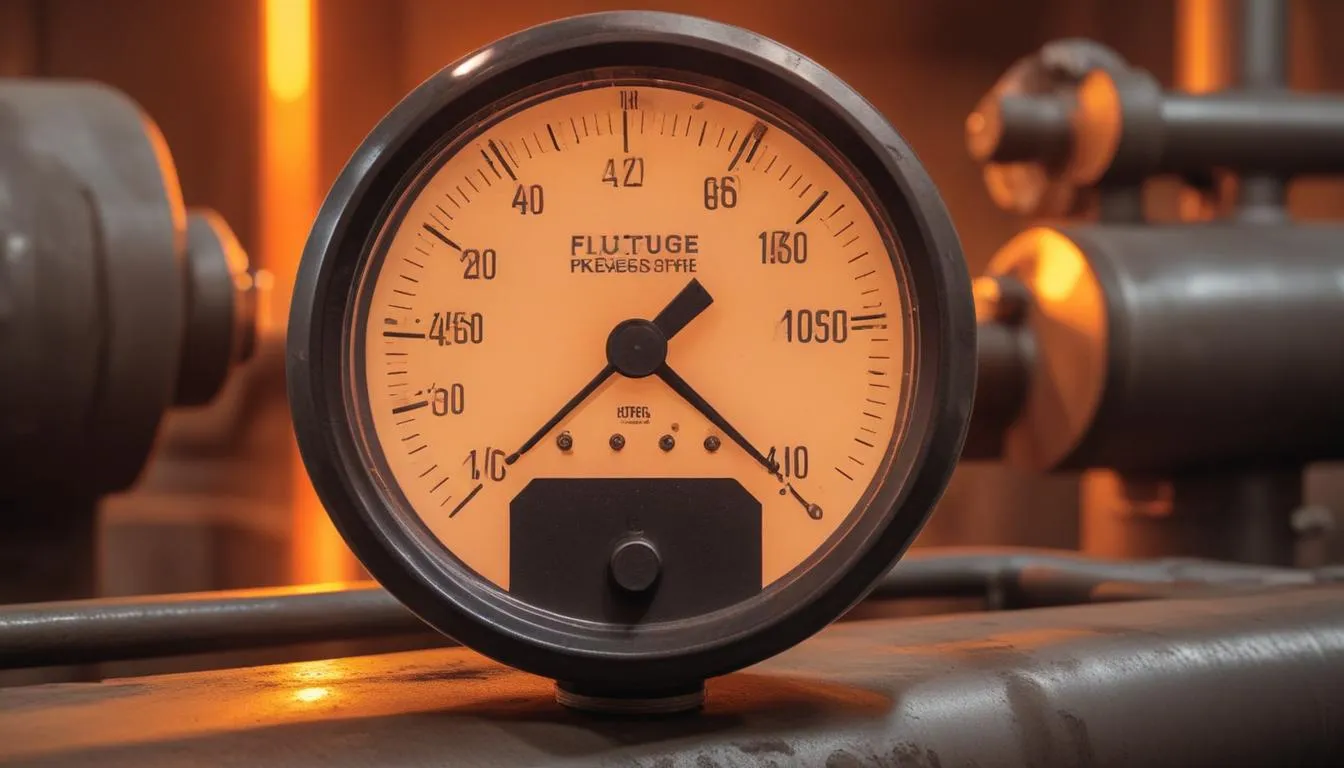 Monitoring the condition of pumps is a critical component of preventing failures and ensuring optimal performance. Implementing effective monitoring and diagnostic techniques allows organizations to detect potential problems early, reducing the likelihood of significant downtime and costly repairs associated with unexpected pump failure.
One essential aspect of monitoring involves the use of vibration analysis. This technique helps identify abnormalities in pump operation that may signal mechanical issues. By measuring the vibration patterns of pumps, maintenance teams can determine whether components are misaligned, worn, or damaged. Regularly scheduled vibration assessments enable the early detection of issues that could lead to catastrophic failures.
Another valuable tool is temperature monitoring. Pumps operate best within specific temperature ranges. Excessive heat can signify mechanical friction, insufficient lubrication, or an overloaded system. Installing temperature sensors at critical points in the pump system facilitates real-time monitoring, allowing for immediate interventions to prevent overheating and potential pump failure.
Furthermore, pressure gauges are indispensable in diagnosing pump performance. Observing fluctuations in pressure readings can indicate issues such as blockages, cavitation, or leaks. Implementing a consistent regime of pressure monitoring ensures that any deviations from normal operating conditions are promptly addressed.
Use of flow meters is also critical for performance analysis. Monitoring flow rates enables maintenance personnel to identify irregularities that may signal underlying issues such as obstruction or improper pump operation. Unusually high or low flow rates should trigger immediate investigations to ascertain the cause and take corrective action.
Establishing a detailed maintenance log that incorporates findings from these monitoring techniques enhances the effectiveness of predictive maintenance strategies. This log should record all inspections, sensor data, and diagnostic results. Analyzing historical data can reveal trends and assist in predicting future pump behavior, ultimately supporting the implementation of timely preventive measures.
Integrating ultrasonic testing for leak detection can further enhance monitoring efforts. This method uses high-frequency sound waves to identify leaks, even in difficult-to-access parts of the system. Early detection of leaks is essential to prevent loss of system efficiency and minimize environmental impacts.
Training maintenance staff on these monitoring techniques is vital. An informed team can leverage advanced diagnostic tools and interpret data accurately, ensuring that any signs of trouble lead to proactive maintenance rather than reactive fixes. Investing in staff training not only fosters a culture of safety and prevention but also empowers personnel to take immediate action based on diagnostic results.
By employing these monitoring and diagnostic techniques diligently, organizations can significantly mitigate the risks associated with pump failure. These practices enable continuous assessment of pump health, ensuring that potential issues are managed before they evolve into major failures, helping to maintain operational efficiency and reliability.
Emergency Response and Recovery Strategies
When pump failure occurs, having a well-defined emergency response plan is crucial to minimize damage and restore operation quickly. An effective emergency response strategy encompasses immediate actions, communication protocols, and recovery operations.
First and foremost, implementing a clear action plan ensures that all personnel know their roles and responsibilities during a pump failure. The plan should include the following key components:
- Emergency Shutdown Procedures: Clearly define the steps for safely shutting down the pump and associated systems to prevent further damage or hazards, such as leaks or electrical fires.
- Trigger Events: Establish specific criteria for when to enact the emergency response plan, including signs of failure, unusual noises, or changes in pressure and flow rates.
- Safety Protocols: Ensure that all personnel are trained on safety measures, including the use of personal protective equipment (PPE) and emergency evacuation paths.
- Communication Channels: Set up procedures for notifying relevant stakeholders, including maintenance staff, management, and affected customers. Rapid and accurate communication can help mitigate the impact of pump failure.
Next, a system for effective root cause analysis should be in place to assess the reason for pump failure. Following an emergency, quickly evaluating factors that led to the incident allows for corrective actions to be implemented, reducing the likelihood of recurrence. This process might involve:
- Gathering Evidence: Document details surrounding the failure, including operating conditions leading up to the event and any anomalies observed during operation.
- Assembling a Response Team: Bring together maintenance officials, engineers, and safety experts to analyze the collected data and identify contributing factors.
- Implementing Solutions: Develop and execute targeted actions to address identified weaknesses in the system, ensuring that preventive measures are solidified to avoid future pump failures.
Restoration of operations involves a structured recovery strategy that prioritizes minimizing downtime. Effective recovery strategies should encompass:
- Assessment of Damage: Evaluate the extent of damage to the pump and associated systems to determine the most appropriate course of action—whether repair, refurbishment, or replacement.
- Collaboration with Experts: Engage qualified professionals with expertise in pump systems to assist in recovery efforts and offer insights into any possible upgrades or enhancements to prevent future issues.
- Returning to Service: After repairs or replacements are completed, conduct rigorous testing of the pump system to ensure safe operation before resuming regular workflows.
- Follow-Up Monitoring: After resuming operations, implementing a heightened level of monitoring can help ensure that the pump is functioning as expected and that any potential issues are detected early.
Continuous improvement should phrase out of every incident. Documenting the emergency response and recovery processes provides valuable insights and enhances response strategies for future incidents. Key learnings should be integrated into ongoing training programs for staff, ensuring that knowledge surrounding pump failure prevention and maintenance practices evolves with every incident encountered.
By employing these emergency response and recovery strategies, organizations can effectively minimize the impact of pump failures on operations and enhance their resilience against future disruptions. Prompt and effective action not only ensures safety but also contributes to maintaining operational efficiency and reducing overall costs associated with extensive downtimes.