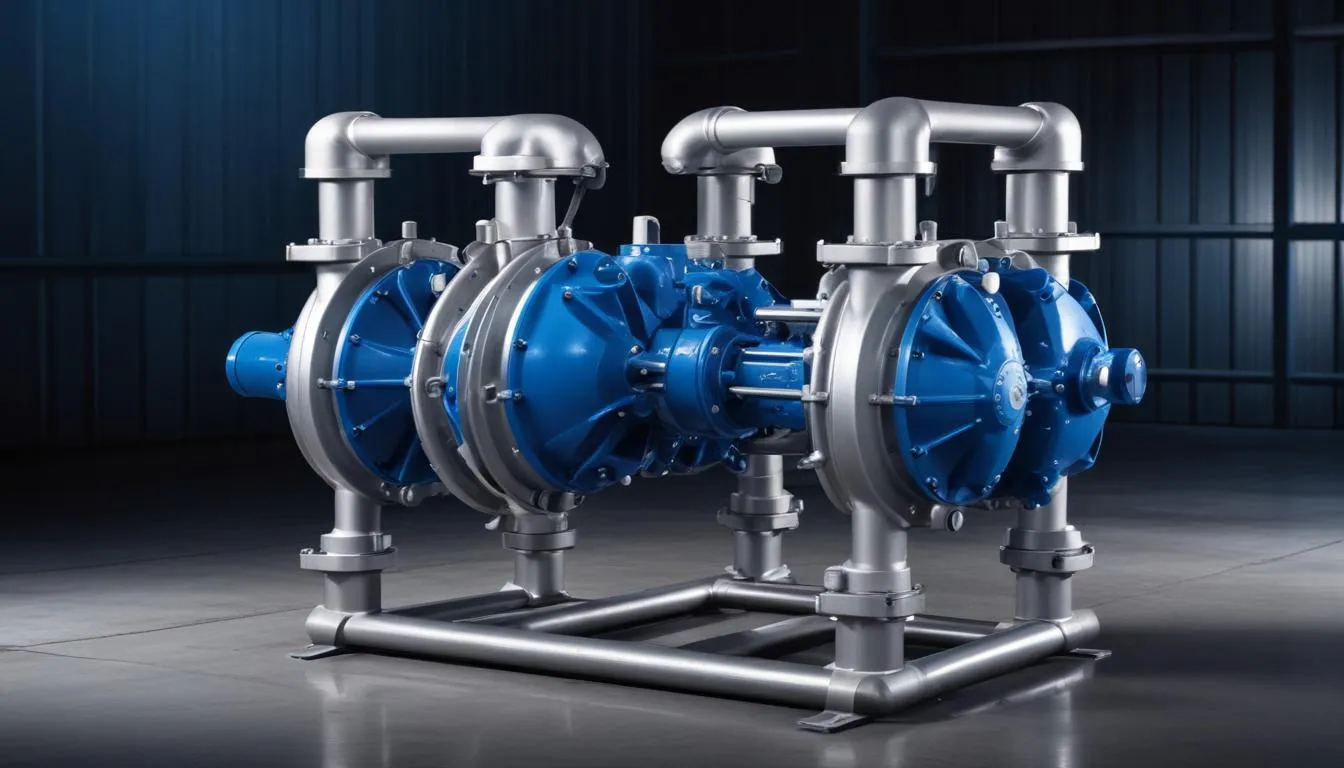
 Air-operated double diaphragm pumps are innovative devices that utilize compressed air to move fluids efficiently and effectively. These pumps consist of two flexible diaphragms, which create a pumping mechanism that is both versatile and highly efficient in various settings. Unlike conventional pumps, air-operated diaphragm pumps are driven by air pressure, eliminating the need for electricity in certain applications.
In operation, the compressed air enters the pump and moves one diaphragm while simultaneously creating a vacuum that pulls fluid into the chamber formed by the other diaphragm. This unique mechanism allows for a wide range of fluid handling capabilities, including viscous, abrasive, and shear-sensitive fluids. The design allows for self-priming capabilities, which means they can effectively draw in liquids without requiring additional suction devices.
Applications for air-operated double diaphragm pumps span across numerous industries, including:
- Chemical processing: Handling corrosive fluids safely and efficiently.
- Food and beverage: Moving materials while adhering to sanitary standards.
- Pharmaceutical: Ensuring precise and hygienic transfer of sensitive liquids.
- Paint and coatings: Distributing viscous materials evenly.
- Wastewater management: Pumping sludge and other challenging substances.
One of the significant advantages of air-operated diaphragm pumps is their ability to handle a wide range of flow rates and pressures, making them suitable for diverse operation scenarios. Because they can operate dry without damage, these pumps are particularly valuable in situations where the liquid supply may be inconsistent.
With their numerous advantages and broad range of applications, air-operated double diaphragm pumps are an essential component in systems requiring reliable fluid movement.
Key components and their functions
Air-operated double diaphragm pumps are comprised of several key components that work together to ensure efficient and reliable operation. Each component has a specific function that contributes to the overall effectiveness of the pump. Understanding these components is essential for selecting the right pump and for performing maintenance as needed.
- Diaphragms: The heart of the air-operated diaphragm pumps, these flexible membranes alternate in movement, creating a suction and discharge cycle. Made from materials such as PTFE or Nitrile, the diaphragms are designed to withstand the varying pressures and corrosive properties of the fluids being pumped.
- Air Chamber: This component houses the compressed air that drives the diaphragms. The air chamber is divided into two sections by each diaphragm and helps in regulating air pressure during operation, ensuring consistent performance.
- Check Valves: Installed at both the inlet and outlet of the pump, check valves prevent backflow and ensure that the fluid moves in the intended direction. Their design is crucial for maintaining the pump’s efficiency and preventing leaks.
- Fluid Chamber: The space where the fluid to be pumped is held. The movement of the diaphragms creates a vacuum that draws fluid into the fluid chamber, allowing for effective pumping. The design of the fluid chamber can vary based on the application and the nature of the liquids being handled.
- Air Supply Regulator: This component controls the pressure and flow of the compressed air that drives the pump. By regulating air supply, it ensures that the pump operates at optimal efficiency and can be adjusted for various operation conditions.
- Frame and Covers: The structural components that protect and support the internal workings of the pump. These are often made from materials like stainless steel or polypropylene, chosen for their durability and resistance to corrosion in chemical applications.
- Exhaust Ports: Allow for the release of air after it has done its work in driving the diaphragms. Properly designed exhaust ports help prevent back pressure that could affect the pump’s operation.
This intricate assembly of components contributes to the robustness and flexibility of air-operated diaphragm pumps, enabling them to handle a wide variety of applications effectively. By ensuring each part is functioning correctly, operators can maintain the pump’s performance and extend its service life, making them a reliable choice for various industries.
Advantages of air-operated double diaphragm pumps
Air-operated double diaphragm pumps offer a myriad of benefits that make them an attractive choice across multiple industries. One of the primary advantages is their versatility. These pumps can handle a wide range of fluids, including viscous, corrosive, and shear-sensitive liquids, without compromising their performance. This adaptability ensures that they can be utilized in diverse applications, from chemical processing to food and beverage production.
A key feature of air-operated diaphragm pumps is their self-priming capability. This means they can draw liquids into the pump without requiring an external suction source, making them ideal for situations where the fluid supply may be intermittent. Additionally, they can run dry without sustaining damage, which is crucial for operations that may encounter fluctuations in fluid availability. This capability significantly reduces downtime and maintenance needs, enhancing the overall efficiency of production systems.
Another significant benefit of these pumps is their simple design. The lack of complex mechanical seals decreases the risk of leaks and maintenance complications, resulting in lower operational costs. Moreover, the components are made from durable materials that withstand harsh environments and corrosive substances, ensuring a long service life.
The operation of air-operated diaphragm pumps is driven by compressed air, which provides consistent power without the need for electrical sources. This makes them suitable for potentially hazardous environments where electrification poses a danger. Their ability to be powered by air also enables easy installation and flexibility in positioning within a facility.
In addition, air-operated diaphragm pumps are highly efficient when it comes to flow rates and pressures. They can easily be adjusted to deliver varying flow rates depending on the operational requirements. This adaptability allows companies to optimize their pump performance to match specific applications, enhancing productivity.
Lastly, maintenance of air-operated diaphragm pumps is straightforward, owing to the accessibility of key components. Regular checks on the diaphragms, check valves, and air supply regulator can prevent potential issues and prolong the pump’s operational lifespan. With their combination of efficiency, operational flexibility, and ease of maintenance, air-operated double diaphragm pumps stand out as a preferred solution for various pumping needs in today’s industrial landscape.
Applications and industries
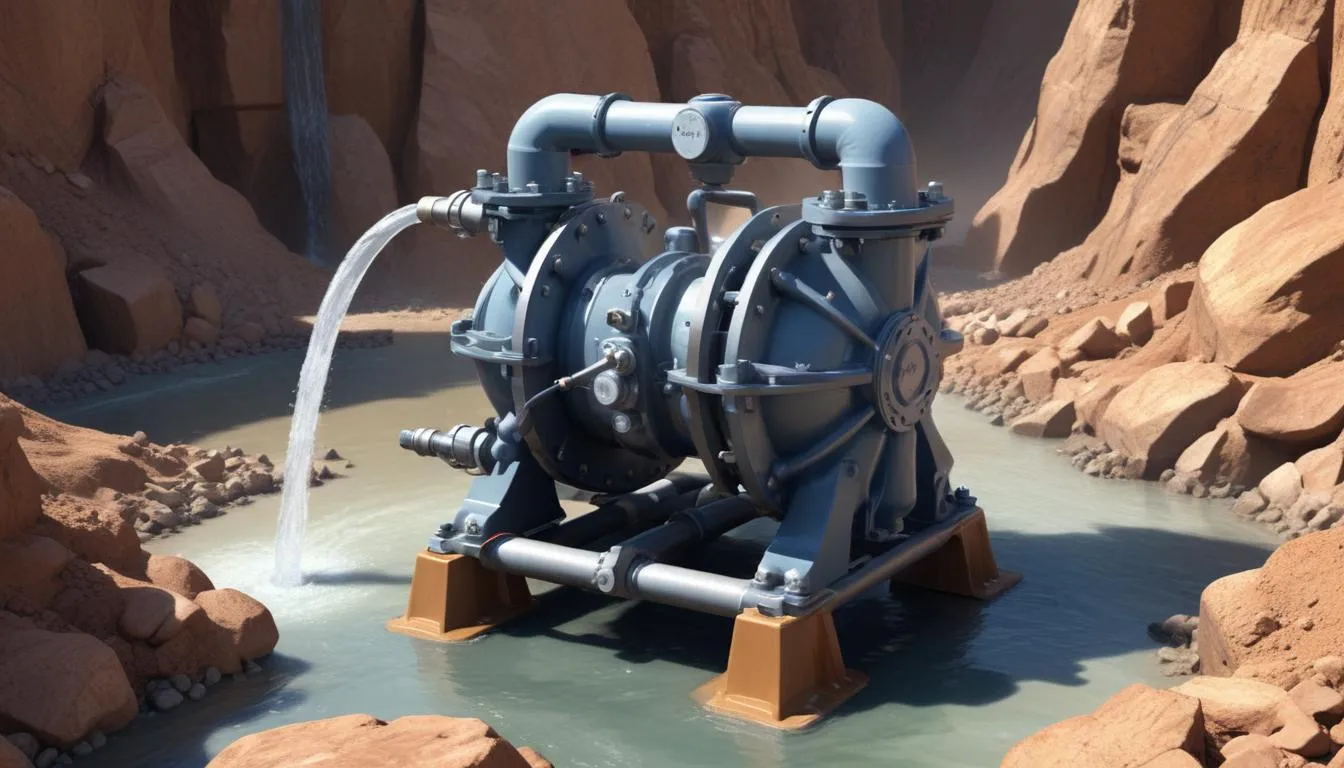 Air-operated double diaphragm pumps have gained significant traction across various industries due to their unique ability to handle a diverse range of operational needs. Their versatility allows them to adapt to different applications, making them invaluable in the following sectors:
- Mining and Minerals: In the mining industry, these pumps are used to transfer slurries, which are mixtures of water and solid particles. Their capability to handle abrasive materials without damage makes them ideal for this demanding environment.
- Biodiesel Production: The production of biodiesel involves handling various feedstocks and chemicals. Air-operated diaphragm pumps can efficiently transfer these materials while maintaining the necessary purity and integrity.
- Paper and Pulp: These pumps are widely utilized in the paper industry for transferring sludge and pitch. Their robust design ensures they can handle thick and fibrous materials without clogging.
- Construction: Used for pumping cement and other viscous materials at construction sites, air-operated diaphragm pumps deliver consistent flow, enhancing productivity in building operations.
- Marine: In marine applications, these pumps can remove bilge water and transfer fuel, providing a reliable solution that is resistant to corrosive seawater environments.
The adaptability of air-operated diaphragm pumps allows them to be suited for both continuous and intermittent operation. This flexibility enhances their utility in industries where fluid transfer requirements may vary throughout the day or in response to changing production demands.
Moreover, the design and engineering of these pumps incorporate features that enhance their suitability for industry-specific challenges. For instance, in the food and beverage industry, pumps can be constructed from food-grade materials to prevent contamination while ensuring sanitary handling of products.
Recognizing the critical role of air-operated diaphragm pumps in various applications reinforces their importance. Their capacity to handle aggressive chemicals, shear-sensitive products, and wide viscosity ranges makes them a cornerstone of fluid handling solutions in today’s diverse industrial landscape. Companies employing these pumps benefit from increased reliability, reduced downtime, and enhanced productivity in their operations.
Maintenance and troubleshooting tips
Proper maintenance and troubleshooting of air-operated double diaphragm pumps are essential for ensuring their longevity and optimal performance. Regular inspection and care can prevent costly breakdowns and downtime in industrial applications. Below are some essential maintenance tips and common troubleshooting practices for operators.
Routine Maintenance
- Visual Inspections: Regularly inspect the pump for any visible signs of wear, leakage, or structural damage. Check around joints, seals, and connections to ensure they are secure and free from leaks.
- Diaphragm Checks: Since the diaphragms are the most critical components of the pump, inspect them frequently for signs of wear or cracking. Replace diaphragms that show any signs of deterioration to prevent operational failures.
- Check Valves Inspections: Periodically examine the check valves for blockages or failures that can impede the flow of fluids. Clean or replace valves as necessary to maintain proper function.
- Lubrication: Ensure that all moving parts are adequately lubricated if recommended by the manufacturer. Check the lubrication points to avoid excessive wear from friction.
- Filter Maintenance: If the pump has filters in place to protect the internals from contaminants, clean or replace them as needed to maintain efficient operation.
- Air Supply Checks: Monitor the air supply regulator settings and ensure they are consistent with the pump’s operational requirements. Adjust air pressure as necessary to optimize performance.
Troubleshooting Common Issues
- Pumping Issues: If the pump is not moving fluids effectively, first check for blockages in the suction or discharge lines. Inspect the check valves for proper operation, as any malfunction could cause backflow.
- Noisy Operation: Excessive noise can indicate that the pump is operating under stress. Ensure there are no loose components and that the air supply is properly regulated. Check for air leaks that could impact performance.
- Air Leaks: If air leaks are detected, locate the source and make repairs to seals or connections as necessary. Leakage can significantly affect the pump’s efficiency and functionality.
- Loss of Pressure or Flow: This may indicate that a diaphragm has ruptured or that the check valve is faulty. Inspect these components and replace them if needed to restore performance.
- Dry Running: If the pump has run dry, immediately shut it down to prevent diaphragm damage. Implement measures to ensure that the pump is not operated without fluid supply, such as installing float switches or low-level sensors.
By adhering to these maintenance practices and troubleshooting guidelines, operators can enhance the reliability and efficiency of air-operated diaphragm pumps. Proper upkeep not only prolongs the lifespan of the pumps but also ensures that they effectively meet the demands of various applications, contributing to smoother operational processes across diverse industries.