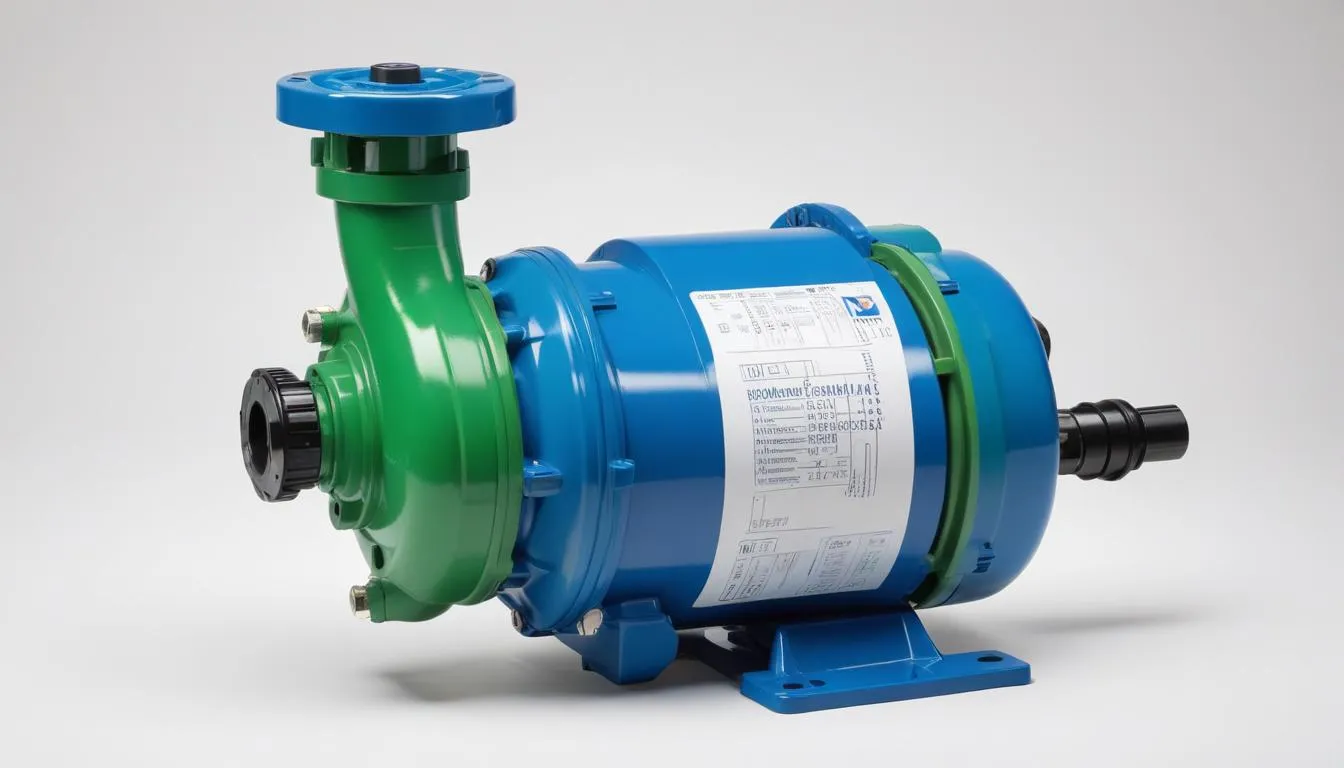
 Understanding pump motor sizing is essential for ensuring optimal performance and efficiency in any pumping system. Selecting the correct motor size involves a variety of factors that relate to the specific application and requirements of the pump.
Pump motor sizing is fundamentally based on the flow rate and the head requirement of the system. The flow rate is typically quantified in gallons per minute (GPM) or liters per second (L/s), while the head refers to the height that the pump needs to lift the liquid, measured in feet or meters. These two parameters are critical for appropriate calculations to determine the necessary horsepower for effective operation.
To simplify the basic calculations involved in pump motor sizing, one can follow a systematic approach:
- Determine the Flow Rate: Assess the required flow rate for the application based on system demands.
- Calculate the Total Dynamic Head (TDH): This includes static lift, friction loss, and velocity head within the system.
- Use Pump Performance Curves: Consult the pump’s performance curves to find the right RPM and horsepower corresponding to the TDH and flow rate.
- Factor in Service Conditions: Consider the service factors that may affect performance, such as temperature, fluid type, and viscosity.
Additionally, understanding voltage and phase requirements is vital. Most motor selections also need to consider whether they will operate in single-phase or three-phase power systems. Each configuration influences the way pump motor sizing calculations are performed.
When embarking on the process of pump motor sizing, it is crucial to involve all practical factors, ensuring that the chosen motor not only meets current demand but also allows for potential future increases in flow or head without requiring premature replacement. Proper sizing can lead to enhanced efficiency, reduced energy costs, and prolonged equipment life.
Factors affecting motor size selection
When selecting the appropriate motor size for a pump, several factors come into play that can significantly influence the decision-making process. Understanding these elements is essential to ensure that the pump motor operates efficiently and meets the system’s demands.
- System Compatibility: It is imperative to ensure that the chosen motor is compatible with the pump design. This includes considerations like frame size, mounting type, and shaft alignment, which all impact the overall efficiency of the system.
- Load Type: Different applications may require distinct load characteristics. For example, a motor may need to handle a continuous load, intermittent load, or even a variable load, which can influence selection. Understanding the load type helps in calculating the appropriate service factor to apply.
- Efficiency Ratings: Motor efficiency plays a critical role in operational costs and performance. Selecting a motor with a higher efficiency rating can result in substantial energy savings over time. Keep in mind that pump motor sizing should consider not just the horsepower but also the efficiency level of the motor.
- Operating Environment: The environment in which the motor will operate can determine the need for specific features like weatherproofing or enhanced cooling options. Factors such as temperature, humidity, and potential exposure to corrosive elements must not be overlooked.
- Voltage and Phase: The choice of voltage and phase can greatly affect performance. Ensuring that the motor is compatible with the available power supply (single-phase or three-phase) is critical for maintaining efficiency and performance.
- Future Expansion: It is prudent to account for any potential system expansions or increases in capacity. Selecting a motor that allows some headroom for future demands can prevent the need for early replacement, saving both time and money in the long run.
- Regulatory Standards: Compliance with local and national standards and regulations regarding energy efficiency and emissions can influence motor selection. Familiarizing yourself with these regulations ensures that the selected motor will meet necessary legal requirements.
By taking all these factors into consideration, one can avoid common pitfalls associated with improper motor sizing, enhancing the overall effectiveness of the pumping system. Making decisions based on careful analysis and calculations will lead to a successful implementation of the pump motor sizing basics, enhancing performance while avoiding costly mistakes.
Calculating required horsepower
To calculate the required horsepower for a pump motor, begin by utilizing the fundamental equations of physics that govern fluid dynamics. The primary formula required is:
Horsepower (HP) = (Flow Rate (GPM) × Total Dynamic Head (TDH) × 0.00981) / Efficiency
Here’s a breakdown of each component:
- Flow Rate (GPM): This metric is essential as it reflects the volume of fluid the pump needs to move within a specific timeframe. Commonly measured in gallons per minute, use accurate measurements to ensure valid calculations.
- Total Dynamic Head (TDH): This represents the total height (in feet) that the fluid needs to be lifted and is comprised of:
- Static Head: The vertical distance from the water source to the discharge point.
- Friction Loss: Energy loss due to friction in the pipes and fittings. Use appropriate charts or calculations to determine this accurately.
- Velocity Head: The kinetic energy of the fluid; this can often be neglected if the fluid velocity is low, but should be included for high-velocity applications.
- Efficiency: The efficiency of both the pump and the motor must be accounted for. If the pump and motor operate at 80% efficiency, use 0.80 in the denominator. Higher efficiency ratings will reduce the required horsepower, leading to energy savings.
Calculating the horsepower accurately is paramount for pump motor sizing because undersizing can lead to motor burnout, reduced efficiency, and increased wear and tear on both the pump and motor. Conversely, oversizing a motor can lead to unnecessary energy consumption and additional costs.
To ensure thorough calculation, follow these additional steps:
- Convert Units: Double-check that all units are compatible. Convert GPM to liters per second or feet of head to meters as necessary for consistent calculations.
- Consult Manufacturer’s Data: Manufacturer specifications and performance curves provide valuable insight into horsepower ratings and ensure that the calculated values align with practical applications.
- Adjust for Special Conditions: If the operating conditions deviate from standard conditions (like high temperature or different fluid types), adjustments may be warranted. This could include revisiting the efficiency rating or utilizing a higher service factor.
By applying these calculations and ensuring all variables are accounted for, one can arrive at an accurate estimate of the required horsepower for a pump motor. This precise sizing will enhance pump motor sizing efficiency, thereby contributing to the overall effectiveness and longevity of the pumping system.
Common sizing mistakes to avoid
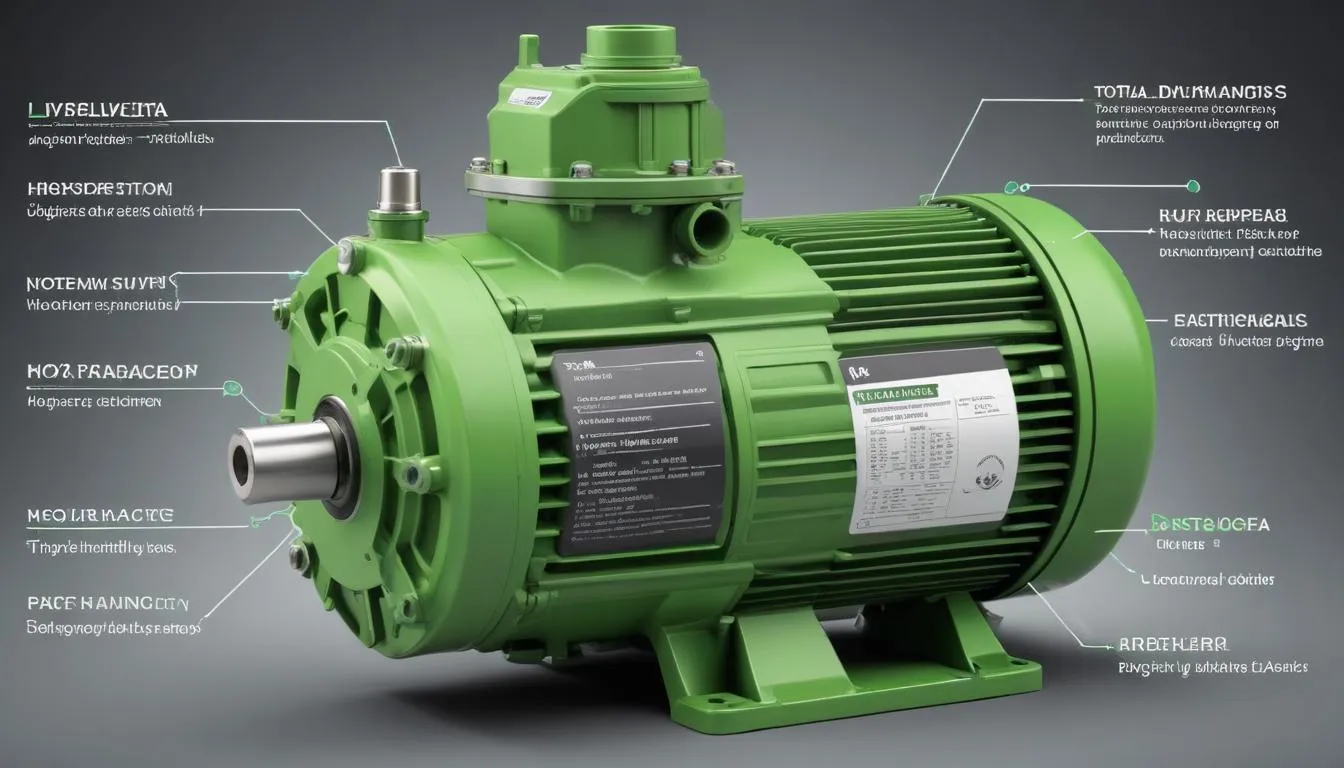 Improper pump motor sizing can lead to inefficiencies that compromise the overall functionality of your system. Many users make common mistakes during the sizing process that can be avoided with careful consideration and methodical planning. Recognizing these pitfalls is essential for achieving optimal performance.
- Neglecting Total Dynamic Head (TDH): One of the most frequent errors is underestimating the Total Dynamic Head. This oversight can result in selecting a motor that is unable to meet the pressure requirements of the system, leading to inadequate performance and possible motor burnout. Accurate calculations of static lift, friction losses, and velocity head are mandatory for an effective pump motor sizing strategy.
- Ignoring System Compatibility: It is vital to ensure that the selected motor is fully compatible with the pump’s specifications. Failure to consider factors such as frame size, mounting configurations, and shaft alignment can lead to installation issues and operational inefficiencies.
- Overlooking Efficiency Ratings: Selecting a motor without a clear understanding of its efficiency can be detrimental. Higher efficiency motors often have a higher upfront cost but lead to substantial energy savings in the long run. Failing to account for efficiency can result in increased operating costs.
- Inadequate Future Planning: A common mistake is selecting a motor size based solely on current demands without considering any potential future increases in flow rate or pressure requirements. Choosing a slightly larger motor can save time and costs associated with replacements.
- Failing to Assess Load Types: Understanding the load characteristics is crucial for effective motor sizing. Continuous versus intermittent loads require different considerations when calculating service factors. Neglecting this can lead to the selection of an inappropriate motor for the application.
- Misjudging Operating Environment Needs: Many users do not account for environmental factors that can impact motor performance. Factors such as temperature fluctuations, humidity, or exposure to corrosive elements should influence the selection of motor features. Without this consideration, the motor may underperform or suffer early failure.
- Skipping Manufacturer Specifications: It is imperative to consult manufacturer specifications and performance curves when selecting a motor. Ignoring these details can lead to discrepancies between calculated horsepower and actual performance capabilities.
By avoiding these common mistakes, you can enhance the effectiveness of your pump motor sizing efforts. Meticulous attention to detail during the selection process ensures that your pumping system operates at peak efficiency, minimizing operational costs and maximizing longevity.
Best practices for motor installation and maintenance
When installing and maintaining pump motors, adhering to best practices is vital to ensure reliability, efficiency, and longevity. Proper installation and regular maintenance can drastically influence the performance of the pump motor and the overall pumping system. Here are key considerations to follow:
- Installation Location: Choose an appropriate installation location that protects the motor from harsh environmental conditions. Ensure it is dry, well-ventilated, and free from dust and debris that could impact performance. Adequate space should be available for maintenance and inspections.
- Alignment: Properly align the motor shaft with the pump shaft to minimize vibration and wear. Misalignment can cause excessive stress on the motor bearings and result in premature failure. Utilize alignment tools to ensure that they are perfectly aligned during installation.
- Mounting: Securely mount the motor using the correct hardware to prevent movement. Use vibration-dampening mounts when necessary to absorb shock and vibrations that could affect operation.
- Electrical Connections: Ensure that all electrical connections are made correctly according to local codes and regulations. Properly sizing electrical wires and using circuit breakers can prevent overheating and ensure safe operation.
- Lubrication: Regularly check and maintain the motor’s lubrication system. Use the appropriate type of lubricant as specified by the manufacturer and ensure that it is at the proper levels to reduce friction and wear.
- Cooling System: Monitor the motor’s cooling system and ensure it operates adequately. Excessive heat can damage the motor’s internal components. Always verify that cooling vents are clear and unobstructed.
- Routine Inspections: Conduct routine inspections to check for signs of wear and tear such as unusual noises, overheating, or vibrations. Early detection of these issues allows for timely interventions that can prevent further damage.
- Documentation: Maintain accurate records of all maintenance activities, installation details, and modifications made to the pump motor system. This documentation can provide valuable insights for future troubleshooting and maintenance planning.
- Train Personnel: Ensure that staff responsible for operating and maintaining pump systems are adequately trained. Understanding motor operation principles can help in recognizing signs of problems early and performing basic troubleshooting.
Through diligent implementation of these best practices, you can achieve optimal operation and extend the lifespan of both the pump and motor. Regular maintenance not only ensures efficiency but also minimizes energy costs associated with pump motor sizing considerations and calculations. Furthermore, observing these guidelines will safeguard the reliability and overall performance of your pumping systems.