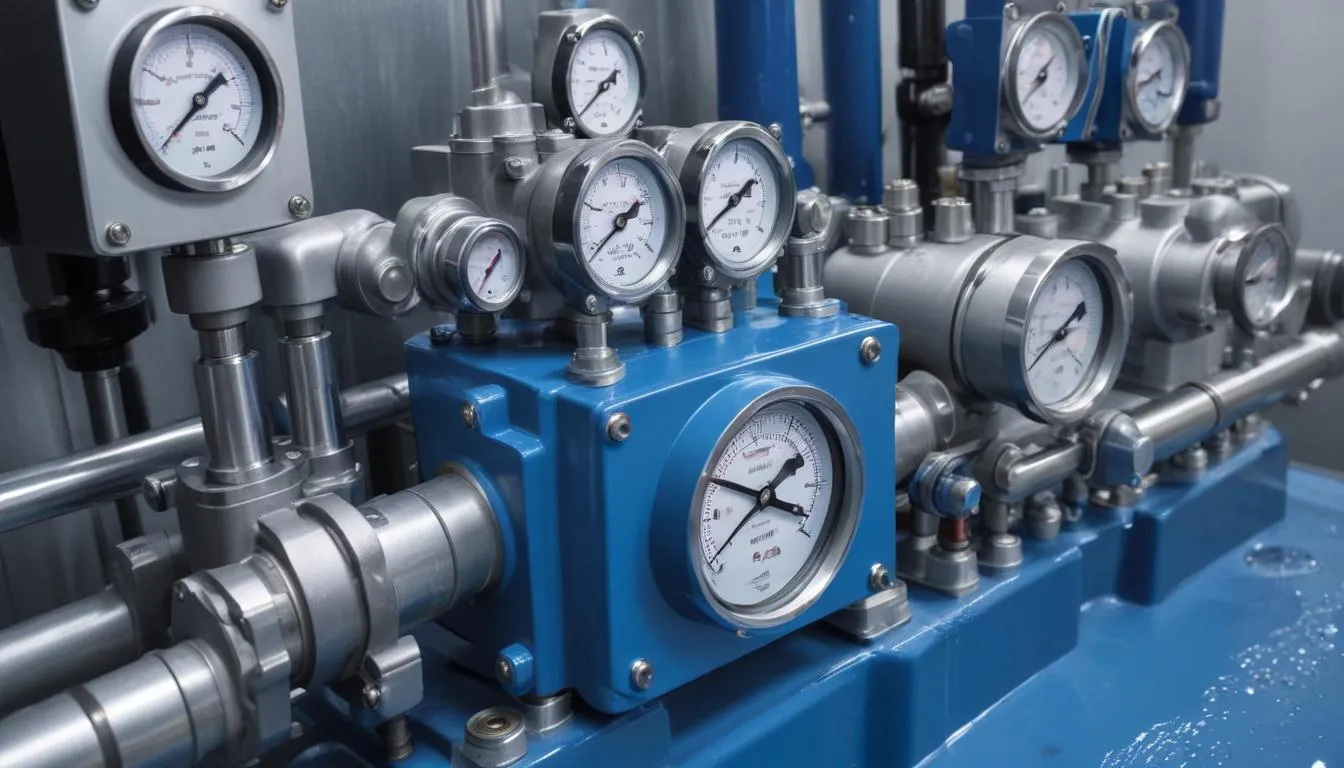
 Hydraulic testing is a critical process that ensures the performance and reliability of pumps in various applications. To effectively conduct these tests, several procedures should be rigorously followed.
First, it is essential to prepare the pump for testing by ensuring it is properly installed and that all connections are secure. This includes checking for leaks and confirming that the pump’s piping, valves, and instrumentation are in place.
Next, the testing environment must be set up, taking into consideration the following key components:
- Water source: Ensure a reliable and clean source of water to avoid contamination during the test.
- Measuring instruments: Equip the setup with accurate pressure gauges, flow meters, and data logging systems.
- Safety measures: Implement all necessary safety protocols, including personal protective equipment (PPE) and emergency shut-off procedures.
Once the pump is set up and the testing environment is ready, the actual hydraulic testing can commence. The procedures usually include the following steps:
- Start the pump and allow it to reach its operating conditions.
- Monitor flow rates and pressure levels to ensure the pump behaves as expected.
- Perform specific tests such as performance testing, where pump efficiency and head performance are analyzed.
- Carefully document all readings throughout the test, as this data will be crucial for subsequent analysis.
During hydraulic testing, adhering to standardized procedures is vital, as it provides reliable comparisons and assessments of pump performance. Such procedures often align with industry standards, ensuring the results are valid and applicable for any troubleshooting or maintenance actions that may be needed later.
Types of hydraulic tests for pumps
Hydraulic testing is carried out using various methodologies, each tailored to assess specific performance parameters of pumps. Understanding the different types of hydraulic tests is essential for ensuring that pumps function effectively and meet operational requirements.
Performance Testing is one of the most common tests conducted on pumps. It evaluates the pump’s ability to deliver the required flow at a specific head under its designed operating conditions. The key metrics measured during this test include:
| Parameter | Description</th |
|---|---|
| Flow Rate | The volume of fluid the pump can move, usually expressed in gallons per minute (GPM) or liters per second (L/s). |
| Head Pressure | The height to which the pump can raise the fluid, measured in feet or meters of fluid column. |
| Efficiency | The ratio of useful work performed by the pump to the energy expended, often expressed as a percentage. |
Backflow Testing evaluates the pump’s ability to prevent backflow when shut down. This test is crucial for systems where backflow could cause significant operational issues or hazards. Key considerations during backflow testing include the effectiveness of check valves and the overall integrity of the system seal.
Leak Testing identifies any leaks in the pump or associated piping. This test helps ensure that the system maintains pressure and operates efficiently. Common methods for leak testing include:
- Pressure Test: Pressurizing the pump system to a specified level and monitoring for pressure drop.
- Bubble Test: Applying a soap solution to joints and connections and looking for bubbles that indicate escaping fluids.
Cavitation Testing assesses the pump’s performance under conditions that may lead to cavitation, a phenomenon that can cause significant damage over time. Observing pressure changes, flow turbulence, and noise levels during this test can help in identifying potential issues.
Vibration Testing is increasingly utilized to evaluate the mechanical state of pumps. It involves measuring vibrations generated during operation to detect imbalances, misalignments, or wear in components. This testing ensures longevity and reliability in performance.
Each of these tests provides significant insights into the pump’s operational status, enabling operators to make informed decisions regarding maintenance or replacements. Proper execution and documentation of these hydraulic tests ensure that the pumps operate efficiently and with minimal risk of failure, aligning with industry standards and best practices for hydraulic testing.
Equipment and tools needed for testing
To perform effective hydraulic testing on pumps, a variety of specialized equipment and tools are essential. The right tools not only facilitate accurate measurements but also enhance the safety and reliability of the testing process. Here’s a detailed overview of the fundamental items required for hydraulic testing:
- Pressure Gauges: These devices measure the pressure within the system. Accurate readings are critical to determine if the pump’s performance meets specified standards.
- Flow Meters: Flow meters are used to monitor the volume of liquid being pumped, allowing for calculations of flow rate and ensuring the pump meets its design specifications.
- Data Loggers: These tools are crucial for recording and storing test data over time. They facilitate continuous monitoring of pressure and flow, providing a comprehensive overview of pump performance throughout the testing process.
- Hoses and Piping: High-quality hoses are essential for connecting the pump to the testing apparatus. They must be rated for the required pressures to prevent leaks or ruptures.
- Valves: Valves play a vital role in controlling the flow of liquid within the system and isolating different sections during testing. Proper valve configurations are essential for safe and effective tests.
- Adapters and Fittings: These components are necessary to ensure secure connections between various pieces of equipment. They must be compatible with both the hoses and valves in the system.
- Filtration Systems: Ensuring the fluid used for testing is clean is vital to avoid contamination that could affect test results and damage the pump.
- Safety Equipment: This includes personal protective equipment (PPE) such as gloves, goggles, and hard hats, as well as emergency shut-off systems to enhance safety during the testing procedure.
In addition to these essential tools, specific testing setups may require other specialized equipment depending on the complexity and requirements of the hydraulic testing procedures. For instance, ultrasonic leak detectors can be beneficial for identifying leaks that might not be visible through standard means.
It is also important to maintain and calibrate equipment regularly to ensure accuracy during tests. Using calibrated instruments means that any readings taken during hydraulic testing will be both reliable and reproducible, which is crucial in facilitating ongoing maintenance and operational efficiency of pumps.
Proper organization and readiness of the tools before starting hydraulic tests can streamline the procedures and reduce downtime. Each piece of equipment plays a specific role in gathering vital data on pump performance, which can be analyzed later to identify areas for improvement or necessary maintenance.
Interpreting test results and performance metrics
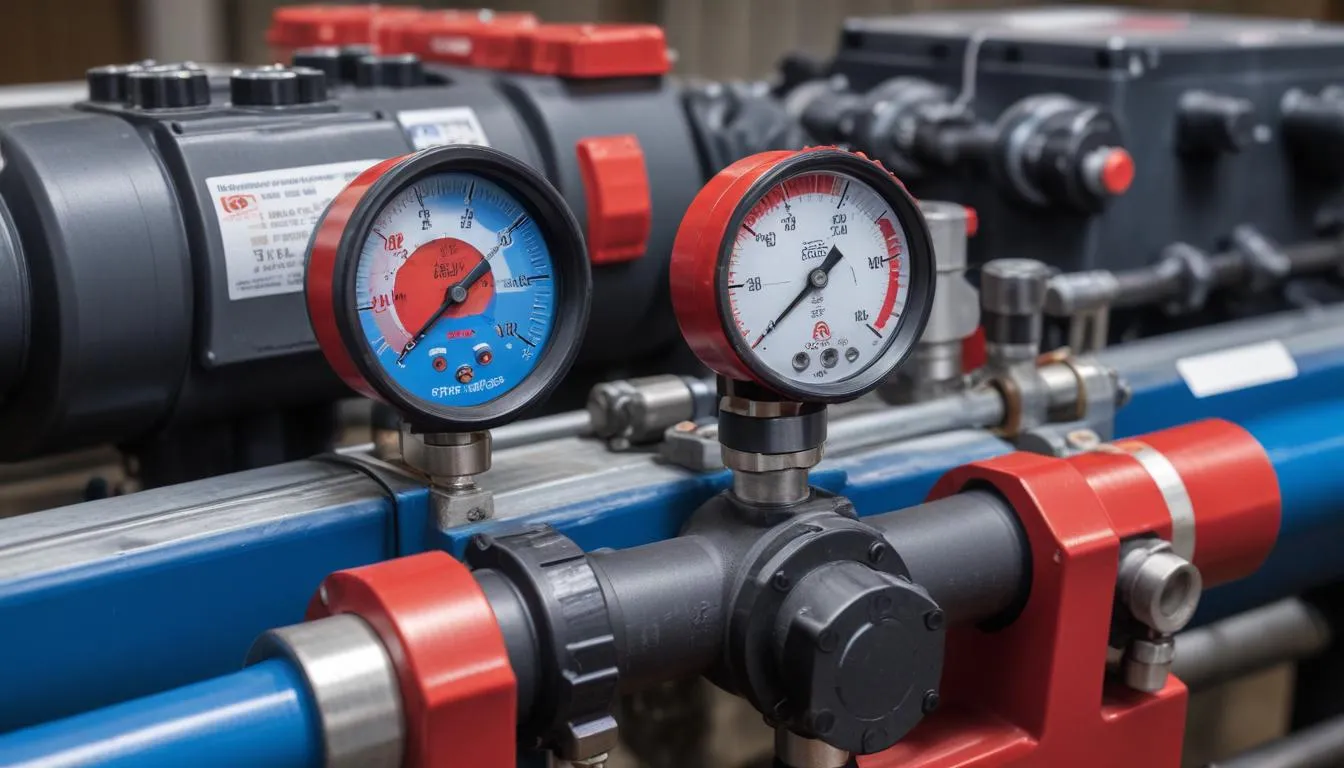 When analyzing the results from hydraulic testing, it is crucial to focus on key performance metrics that provide insights into how well a pump is operating within its designed specifications. The interpretation of these metrics allows for a thorough evaluation of the pump’s efficiency, reliability, and overall health.
One of the primary metrics captured during hydraulic testing is the flow rate, which indicates the volume of liquid the pump can move over a specific period, typically measured in gallons per minute (GPM) or liters per second (L/s). Comparing the recorded flow rate against the manufacturer’s specifications will help determine if the pump is performing optimally. Any significant deviation could indicate potential problems such as wear, obstructions, or improper installation.
Pressure levels are another vital aspect to monitor. The head pressure achieved by the pump, often expressed in feet or meters, reveals the pump’s ability to lift fluids against gravity. By evaluating head pressure alongside flow rates, operators can calculate the pump efficiency, defined as the ratio of output hydraulic power to input power, presented as a percentage. A significant drop in efficiency might suggest mechanical issues, cavitation, or increased friction losses within the system.
Data collected from hydraulic testing should be documented meticulously in order to establish performance trends over time. Utilizing data loggers can streamline this process by providing continuous monitoring and recording of essential metrics, thus enabling operators to track variations and identify consistent areas of concern.
The following table summarizes key parameters commonly analyzed during the interpretation of hydraulic testing results:
| Parameter | Measurement Unit | Importance |
|---|---|---|
| Flow Rate | GPM or L/s | Indicates the volume of fluid being moved; essential for operational efficiency. |
| Head Pressure | Feet or Meters | Measures the height fluid can be raised; helps in assessing pump performance against specifications. |
| Pump Efficiency | Percentage | Shows how well the pump converts energy into hydraulic power; vital for identifying mechanical issues. |
Interpreting these metrics requires a detailed understanding of the system’s operational context. Additional factors such as fluid viscosity, temperature, and specific gravity can influence the outcomes of hydraulic testing. Moreover, comparing the results against baseline data from previous tests or the pump’s design parameters is crucial in identifying deviations that might indicate the need for maintenance or repairs.
In cases where the results are unsatisfactory, a systematic approach to troubleshooting is essential. This involves examining mechanical aspects such as impeller wear, bearing condition, and seal integrity. Furthermore, environmental factors, such as inlet conditions or changes in the system demand, must also be considered in the evaluation process.
Recognizing common issues that can arise during hydraulic tests will aid in swiftly diagnosing problems. For instance, a notable drop in flow rate could be a result of an obstructed inlet, while erratic pressure readings may indicate issues with valves or the pump’s internal components.
By rigorously interpreting test results and related performance metrics, operators can ensure that pumps remain efficient and reliable, thereby extending their lifespan and reducing the likelihood of critical failures in hydraulic systems.
Common issues and troubleshooting during hydraulic tests
During hydraulic testing, several common issues may arise that can affect the accuracy and reliability of the results. Identifying and addressing these problems promptly is critical to ensure the integrity of the testing procedures and the overall performance of the pumps involved.
One prevalent issue encountered is pressure fluctuations, which can lead to inaccurate readings. These fluctuations may stem from a variety of sources, including improper valve settings or leaks in the system. To troubleshoot, it is essential to carefully inspect all components for leaks or faulty connections and ensure that valves are correctly calibrated to maintain a steady flow.
Another common challenge is the formation of air pockets within the pump or piping system. Air can significantly hinder performance, leading to inaccurate flow measurements and decreased pump efficiency. To resolve this issue, operators should bleed the system to eliminate trapped air and ensure that the pump is primed adequately before testing.
Cavitation is another concern during hydraulic testing, characterized by the formation of vapor bubbles in the fluid, which can cause severe damage to the pump’s components. Observing abnormal noises, vibrations, or a drop in performance can be indicators of cavitation. To troubleshoot, operators should check the pump’s inlet conditions, ensuring that the net positive suction head (NPSH) is sufficient and that the fluid is supplied at an appropriate rate to minimize the risk of cavitation.
Operators may also observe inefficient flow rates, where the pump does not meet expected performance metrics. This issue could be related to wear and tear on internal components, such as the impeller or seals, or potential blockages in the plumbing. A thorough inspection of the pump components and the entire hydraulic system is necessary to identify and rectify any issues. Additionally, ensuring that the correct pump is selected for the application is crucial in preventing such inefficiencies.
Documentation of test conditions is vital. Inconsistent environmental factors, such as temperature and fluid viscosity, can affect the testing outcomes. Regularly monitoring and recording these factors during the testing process can help in better interpreting anomalies in the results and linking them back to the actual test conditions.
It is also important to ensure that all measuring instruments are properly calibrated. Faulty or uncalibrated instruments can lead to significant discrepancies in recorded data, impacting the reliability of performance assessments. Regular calibration checks and maintenance of all testing equipment will help uphold the accuracy of flow measurements and pressure readings.
To aid in addressing these common problems, technicians should follow systematic troubleshooting procedures, which may include:
- Conducting a thorough inspection of the entire hydraulic setup.
- Documenting any changes in parameters and correlating them with performance metrics.
- Utilizing data logging tools to analyze trends and identify persistent issues over time.
- Engaging in regular maintenance schedules to replace worn-out components before they impact performance.
By being proactive about potential issues and implementing effective troubleshooting strategies, operators can significantly enhance the reliability of hydraulic testing results and ensure that pumps maintain optimal performance throughout their operational lifespan.