 Variable frequency drives (VFDs) are essential devices that control the speed and torque of electric motors by varying the frequency and voltage of the power supplied to the motor. By using a VFD, operators can accomplish precise control over pump operation, which helps in optimizing performance and enhancing overall system efficiency.
One of the primary advantages of integrating VFDs into pump systems is their ability to adjust the motor speed based on real-time demand. This capability allows for significant energy savings, particularly in applications where flow rates are variable. For instance, when the demand for pump output decreases, the VFD can reduce the motor speed, thus decreasing power consumption and minimizing wear on the pump components.
Additionally, the integration of VFDs provides enhanced process control. Operators can fine-tune pump speed to achieve the desired output levels, improving system responsiveness. This direct control leads to a reduction in pressure fluctuations and extends the lifespan of pumps and associated equipment, as they operate within optimal ranges.
The technology behind variable frequency drives also features sophisticated control algorithms that can respond rapidly to changes in operational conditions. This responsiveness not only contributes to energy efficiency but also to the reliability and safety of the pumping system. VFDs can automatically adjust in response to changing loads, preventing issues like cavitation or overheating by maintaining optimal performance at all times.
When exploring the benefits of VFD integration, it is crucial to consider both energy efficiency and operational flexibility. The implementation of VFDs can lead to reductions in operational costs by enabling equipment to run smoother and reducing maintenance needs. Furthermore, improved energy efficiency can translate into lower utility bills, making VFDs a financially sound choice for many facilities.
In summary, incorporating variable frequency drives into pump systems offers vast potential for enhancing performance, driving energy efficiency, and ensuring long-term operational reliability. The control afforded by VFDs is indispensable in modern pumping applications, making them an integral component for optimizing operations in various industries.
Benefits of Integrating VFDs with Pumps
The integration of variable frequency drives (VFDs) with pumps presents numerous advantages that significantly enhance operational capabilities and efficiency. One notable benefit is the dramatic reduction in energy consumption. VFDs allow for precise speed control of motors, which means that the pump can operate only as fast as necessary to meet system demands. This capability is particularly beneficial in scenarios where flow rates fluctuate, leading to significant cost savings on energy bills, sometimes estimated at 20-50% depending on the application.
Moreover, VFD integration directly contributes to improved system reliability. By ensuring that pumps operate under optimal conditions, the likelihood of mechanical failure due to excessive speed or pressure is minimized. This reliability is further bolstered by the built-in protective features of VFDs, which can prevent issues such as cavitation, overheating, and overloading. These protective functions help to extend the lifespan of both the pumps and the motors, resulting in lower maintenance costs and reduced downtime.
Additionally, VFDs enhance process control. Operators can easily set the desired flow or pressure levels, allowing for more precise application of resources. This adaptability is crucial in industries where conditions can change rapidly. For instance, in water treatment plants, the ability to respond to varying demand helps maintain consistent water quality without overuse of energy or resources.
The environmental impact of integrating VFDs is another significant benefit. By optimizing energy usage and reducing wear on equipment, VFDs lead to lower carbon footprints for organizations. This aligns with many industries’ goals of sustainability and compliance with environmental regulations.
- Energy Savings: Reduced power costs through demand-based motor speed adjustments.
- Maintenance Reduction: Lower upkeep needs and extended equipment lifespan.
- Process Control: Enhanced ability to manage variable demands effectively.
- Reliability: Decreased risk of pump failure and reliability of operations.
- Environmental Benefits: Lower energy usage leads to reduced environmental impact.
Overall, the integration of variable frequency drives into pumping systems not only streamlines operations but also fosters a proactive approach to energy management and system maintenance. The multifaceted benefits of this technology position it as a critical element in modern pumping applications, encouraging industries to adopt VFD-based solutions for their enhanced performance and efficiency.
Installation Considerations and Best Practices
Proper installation of variable frequency drives (VFDs) is crucial for maximizing their performance and ensuring reliable operation in pump systems. Several considerations should be taken into account during the installation process to guarantee optimum functionality.
Firstly, the location of the VFD is a vital factor. Ideally, VFDs should be installed in a clean, dry environment to prevent dust and moisture from interfering with their operation. It is recommended that VFDs be mounted in areas with adequate ventilation to dissipate heat generated during operation. Utilize heat sinks or cooling fans if necessary to maintain an optimal operating temperature, typically between 0°C and 40°C (32°F to 104°F).
Secondly, consider the proximity of the VFD to the motor it controls. Keeping the VFD close to the motor can help minimize electromagnetic noise, which can affect the performance of the drive and other nearby equipment. Additionally, this setup can reduce the length of the power and control wiring, helping to maintain signal integrity and reducing potential issues.
Correct wiring is essential for effective integration of VFDs with pumps. Ensure that all electrical connections are secure and adhere to the manufacturer’s specifications. Pay careful attention to the selection of cables; using the appropriate gauge and type is important for preventing overheating and ensuring reliable operation. Use shielded cables for signal connections to reduce the risk of electrical interference.
When integrating VFDs into existing systems, it is important to evaluate the load characteristics of the pumps. Identify the specific operational requirements and ensure that the selected VFD can accommodate the motor’s characteristics, including its horsepower rating and operating conditions. Additionally, consider implementing soft-start features to gradually ramp up motor speed, reducing stress on mechanical components during startup.
Proper programming of the VFD is another essential step. Set parameters, such as maximum and minimum speed limits, acceleration and deceleration times, and control modes (such as scalar or vector control), according to the application’s needs. Providing a comprehensive training session for operators on how to configure and troubleshoot VFDs can greatly enhance system performance and longevity.
Consider the protection features available on the VFD. Ensure that there are suitable overload protections, thermal protections, and fault detection mechanisms in place. Additionally, implementing surge protection devices can guard against voltage spikes, which could damage either the VFD or the motor.
Lastly, regular maintenance of the VFD should be incorporated into operational practices. Routine checks, including inspections of connection integrity, cleaning of components, and software updates, can help maintain optimal performance and identify potential issues before they become critical.
| Installation Considerations | Description |
|---|---|
| Location | Install in a clean, dry environment with adequate ventilation. |
| Proximity | Place near the motor to reduce electromagnetic noise and wiring length. |
| Wiring | Secure connections and use appropriate gauge cables; shielded for signals. |
| Load Characteristics | Assess load requirements to select the proper VFD rating and features. |
| Programming | Set parameters like speed limits and control modes based on application needs. |
| Protection Features | Implement overload, thermal, and surge protection mechanisms. |
| Maintenance | Conduct routine inspections and updates to ensure optimal performance. |
By adhering to these installation considerations and best practices, facilities can ensure that the integration of variable frequency drives into their pumping systems will yield the highest benefits in terms of performance, reliability, and efficiency.
Troubleshooting Common Issues
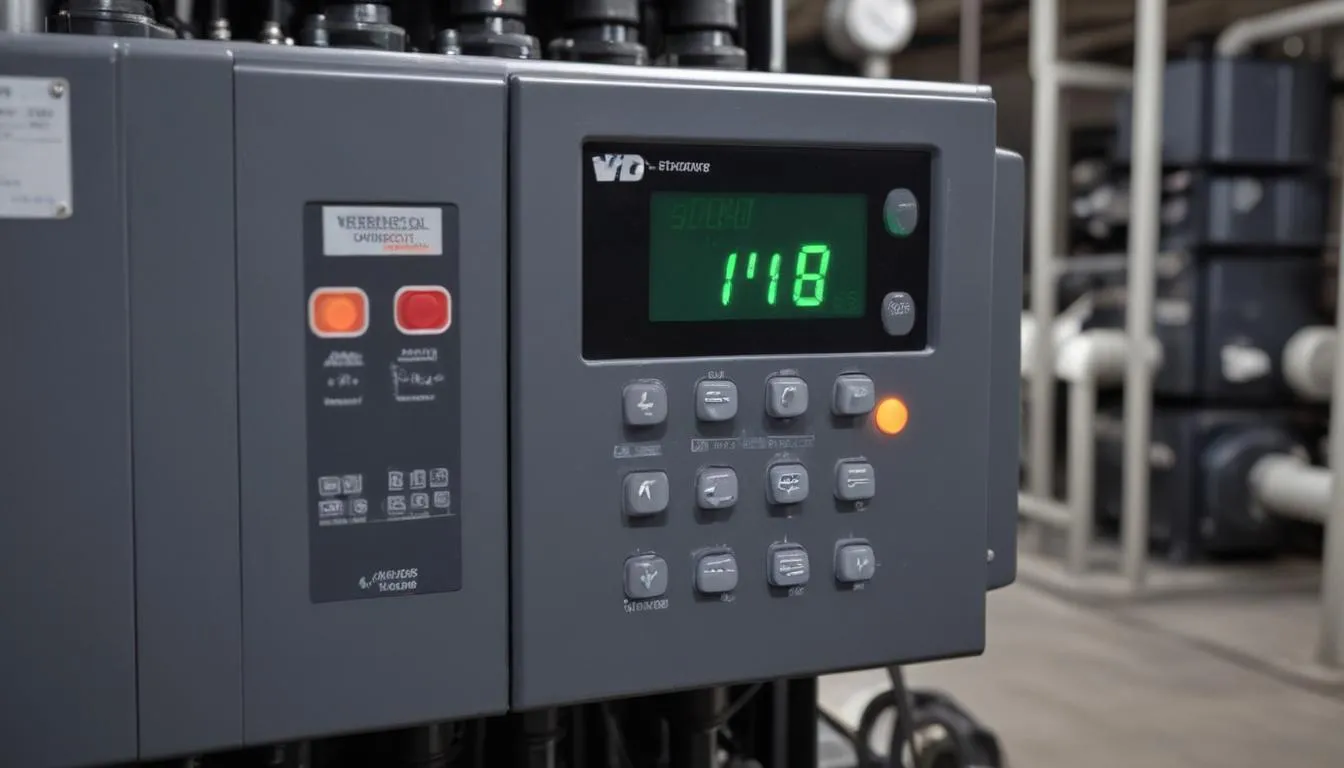 When troubleshooting common issues with variable frequency drives (VFDs) in pump systems, it is essential to systematically identify and address potential problems that may arise during operation. Various symptoms can indicate underlying issues, and understanding these can help ensure the continued efficiency of your system.
One prevalent issue is motor overheating. This can occur if the VFD is incorrectly programmed, leading to a situation where the motor operates outside its optimal parameters. Common causes include:
- Excessive torque settings: Ensure that the torque limits are programmed according to the motor specifications.
- Inadequate cooling: Verify that the VFD and motor are installed in a well-ventilated area and that cooling systems are functioning properly.
- Incorrect voltage supply: Make sure the provided voltage matches the motor’s requirements; otherwise, it can lead to overheating.
Another typical issue is fault codes displayed on the VFD’s user interface. These codes indicate specific problems and can include overheating, communication failures, or parameter mismatches. To troubleshoot these, consult the VFD manual for the specific fault code. Important steps include:
- Document the fault code displayed.
- Review the installation configuration to ensure all connections and settings meet specifications.
- Reset the drive and observe if the fault recurs; this may help isolate transient issues versus persistent ones.
Inconsistent pump performance can also be a frequent concern. If the pump doesn’t achieve the desired flow rate or pressure, consider:
- Flow sensor calibration: Ensure that flow sensors are properly calibrated to provide accurate data to the VFD.
- System checks: Inspect the entire system for leaks, clogs, or blockages that may impact performance.
- VFD programming: Review the programming settings to ensure that the control algorithms are set up correctly for the application.
Moreover, harmonics issues may arise due to the nature of VFD operation. Harmonics can lead to overheating and increased wear on equipment. Mitigation strategies include:
- Using harmonic filters to reduce distortion in the electrical supply.
- Ensuring proper grounding in the install site to minimize interference.
- Selecting VFDs with built-in harmonic mitigation technology when designing new systems.
Lastly, ensuring proper communication between the VFD and other devices is crucial for maintaining performance. If there are communication failures, it could lead to erratic behavior. Possible solutions include:
- Connection verification: Check all wiring and connections between the VFD and control panels.
- Protocol compatibility: Ensure that all devices are using compatible communication protocols (e.g., Modbus, Ethernet/IP).
- Cable quality: Use high-quality cables designed to withstand environmental conditions to maintain signal integrity.
By proactively addressing these troubleshooting items and maintaining an organized approach, operators can enhance reliability and longevity in systems utilizing variable frequency drives. A consistent review of performance metrics and fault notifications can contribute greatly to optimal integration strategies, unlocking further benefits from VFD usage in pump applications.
Optimizing Performance and Energy Efficiency
Achieving optimal performance and energy efficiency with variable frequency drives (VFDs) requires ongoing assessment and adjustment of several critical parameters throughout the operational lifecycle. Even after successful installation and initial tuning, continuous optimization is necessary to fully leverage the benefits of VFD integration within pumping systems.
One of the primary approaches to enhancing energy efficiency is through the use of smart control strategies. These strategies involve incorporating advanced algorithms that dynamically adjust pump speeds based on real-time demand and system conditions. For example, implementing flow control loops can allow the pump to operate at the most efficient speed, thereby reducing energy consumption. This proactive adjustment not only optimizes energy usage but also helps maintain the quality of the pumped medium by preventing issues like cavitation.
Regular data analysis plays a vital role in performance optimization. Data from the VFD and related sensors can be reviewed to identify trends and patterns in pump operation. Key performance indicators (KPIs) such as flow rates, energy usage, and pressure levels should be monitored consistently. Utilizing software that collects and analyzes this data can help operators pinpoint inefficiencies and fine-tune settings for peak performance. This is often enhanced by integrating the VFD with a broader facility management system that centralizes monitoring and control.
Additionally, motor and pump matching is essential for maximizing efficiency. It is crucial to ensure that the VFD is correctly sized for the pump motor it controls. An oversized or undersized VFD can lead to inefficiencies, such as excessive wear or energy waste. Consider conducting periodic assessments to ensure that technological advancements or changes in operational demands do not necessitate a reevaluation of the VFD’s capacity.
Implementing energy-saving features, such as sleep modes or reduced-speed operation during off-peak times, can also greatly enhance efficiency. For applications where pumps are not required to run continuously at full capacity, utilizing these features allows for substantial energy savings. A simple shift to variable speed ranges can lead to lower energy costs and improved operational efficiencies, ensuring that pumps are only running as fast as necessary.
Training and engaging personnel on best practices for operating VFDs is vital for sustaining long-term efficiency. Regular training refreshers focused on how to configure settings for energy efficiency and how to interpret performance data can empower operators to make informed adjustments in real time. This can foster a culture of continuous improvement within the organization, driving ongoing adjustments and refinements that capitalize on the benefits of VFD integration.
Lastly, maintenance practices should evolve to emphasize monitoring the wear and tear of system components, assessing the performance on an ongoing basis, and upgrading VFD software when necessary. Well-maintained VFDs not only provide better efficiency but also reduce the likelihood of unexpected failures and costly downtime. Implementing a predictive maintenance schedule can maximize the lifespan of equipment and contribute significantly to the energy efficiency of pumping operations.
- Smart Control Strategies: Utilize algorithms that adjust operation in real-time based on demand.
- Data Analysis: Monitor KPIs for continuous evaluation and performance tuning.
- Motor and Pump Matching: Ensure proper sizing of VFD to motor for efficiency.
- Energy-Saving Features: Implement sleep modes or reduced speeds during low demand times.
- Training and Engagement: Regular training for staff to maximize operational efficiency.
- Maintenance Practices: Employ predictive maintenance for sustained performance.
By focusing on ongoing optimization strategies, operators can fully capitalize on the benefits of integrating variable frequency drives in pumps, ensuring enhanced performance, improved energy efficiency, and a proactive approach to system management.