 Pump energy audits are essential for identifying areas where energy consumption can be reduced, thereby enhancing overall efficiency. These audits serve as a comprehensive assessment of pump systems, focusing on energy use, system performance, and operational practices. Through a systematic approach, facilities can uncover the hidden potential for savings and performance enhancements.
A detailed evaluation during a pump energy audit typically involves:
- Data Collection: Gathering operational data, including energy bills, pump run hours, and flow rates.
- Pump Performance Testing: Measuring flow, head, and power draw to establish baseline performance metrics.
- System Analysis: Reviewing the entire pump system, including controls, piping, and any ancillary equipment.
- Benchmarking: Comparing the current system performance against industry standards and best practices.
The audit identifies inefficiencies, such as over-sized pumps, improper control settings, and maintenance issues, which can lead to excessive energy consumption. By pinpointing these areas, facilities can make informed decisions about improvements.
Furthermore, the energy audit enables operators to understand the impact of modifying various parameters on system efficiency. For instance, adjustments in operational practices, such as reducing throttling, can significantly influence the overall energy footprint.
In conclusion, a thorough understanding of pump energy audits not only assists in reducing energy costs but also contributes to better environmental practices through decreased energy use.
Key Components of a Pump System
The components of a pump system collectively contribute to its overall efficiency and performance. Understanding these components is crucial for identifying improvement areas during pump energy audits. A typical pump system comprises several essential elements that together ensure effective fluid movement throughout a facility. These components include:
- Pumps: The heart of the system, responsible for moving fluids. Different types of pumps (centrifugal, positive displacement) are chosen based on specific application needs.
- Motors: Responsible for driving the pumps, electric motors are the most common type used in pump systems. Their efficiency directly affects the energy consumption of the entire system.
- Variable Frequency Drives (VFDs): These devices control the motor speed and the flow of fluid, allowing for adjustments based on current operational demands, thus improving overall efficiency.
- Controls: Automation and control systems manage the operation of pumps and motors, optimizing performance and energy use based on real-time requirements.
- Piping Systems: The network of pipes through which fluid travels can affect system performance. Proper design minimizes friction losses and optimizes flow rates.
- Valves: Used for regulating the flow of fluid within the system. Choosing the right valves is critical to reduce energy losses associated with throttling and flow restrictions.
- Ancillary Equipment: This category includes any additional equipment that supports pump operation, such as filters, strainers, and storage tanks, all of which play roles in overall system efficiency.
An efficient pump system operates through the seamless integration of all these components. During pump energy audits, it is crucial to evaluate each part to ensure they are functioning optimally. This includes assessing the alignment between pumps and motors, examining the condition of the piping for any leaks or blockages, and ensuring control systems are calibrated correctly to enhance operational efficiency.
To facilitate a comprehensive assessment of pump systems, operators often utilize specific metrics such as the pump efficiency ratio and overall system efficiency measurements. These metrics provide valuable insights into how well the system performs under various operating conditions, highlighting areas where improvements can lead to significant energy savings.
Incorporating best practices and standards during audits ensures that assessments focus not just on individual components but on the system as a whole. By addressing each element’s performance and its interaction with the rest of the system, facilities can significantly boost energy efficiency and lower operational costs.
Methodology for Conducting an Energy Audit
To conduct a thorough energy audit of a pump system, a structured methodology is essential. This process typically involves a series of well-defined steps that ensure both comprehensive data collection and accurate analysis for maximizing energy efficiency.
Initial Assessment and Preparation
Before diving into the data, it is crucial to prepare adequately. This involves:
- Defining Audit Objectives: Clearly outline the goals of the pump energy audit, such as identifying energy-saving opportunities, improving system reliability, or optimizing operational practices.
- Gathering Preliminary Information: Collect existing documentation, including previous energy audits, maintenance records, and system diagrams to understand the current setup.
- Forming an Audit Team: Assemble a team that includes engineers, operators, and other relevant personnel who understand the system and can contribute different perspectives.
Data Collection
The next step involves systematically collecting data crucial for the analysis. This can include:
- Energy Use Data: Obtain utility bills and any historical energy data to evaluate consumption trends over time.
- Pump Operational Data: Gather details about flow rates, pressure readings, and pump run hours to understand the typical operational profile.
- Equipment Specifications: Document all technical specifications for pumps, motors, drives, and other components to assess compliance with standards.
- Site Investigation: Conduct a physical inspection of the pump system, noting the condition of components, the setup, and any observable inefficiencies, such as leaks or misalignment.
Performance Testing
After collecting data, performance testing is necessary to establish baseline conditions. This includes:
- Flow Measurement: Utilize flow meters to measure the actual flow rates of liquids through the system.
- Head Measurement: Determine the head pressure required by the pump to move fluids effectively.
- Power Consumption Analysis: Use power meters to assess the electrical energy consumed by the motors driving the pumps.
The data gathered during performance testing are critical for calculating various efficiency metrics, allowing the team to compare these figures against industry benchmarks.
Analysis and Reporting
Once data is collected and performance testing is completed, thorough analysis begins. This entails:
- Identifying Inefficiencies: Analyze the data for potential areas of waste, such as misconfigured controls or oversized pumps, that could be driving excessive energy consumption.
- Benchmarking: Compare the pump system’s efficiency against similar systems in the industry to gauge performance and highlight improvement opportunities.
- Report Preparation: Compile findings into a report that outlines the current state of the pump system, identifies inefficiencies, and suggests possible improvements.
By following this structured methodology, organizations can ensure that their pump energy audits are comprehensive and yield actionable insights. Implementing these findings not only improves efficiency but also enhances overall system performance, leading to significant cost savings and environmental benefits.
Analyzing Audit Results and Metrics
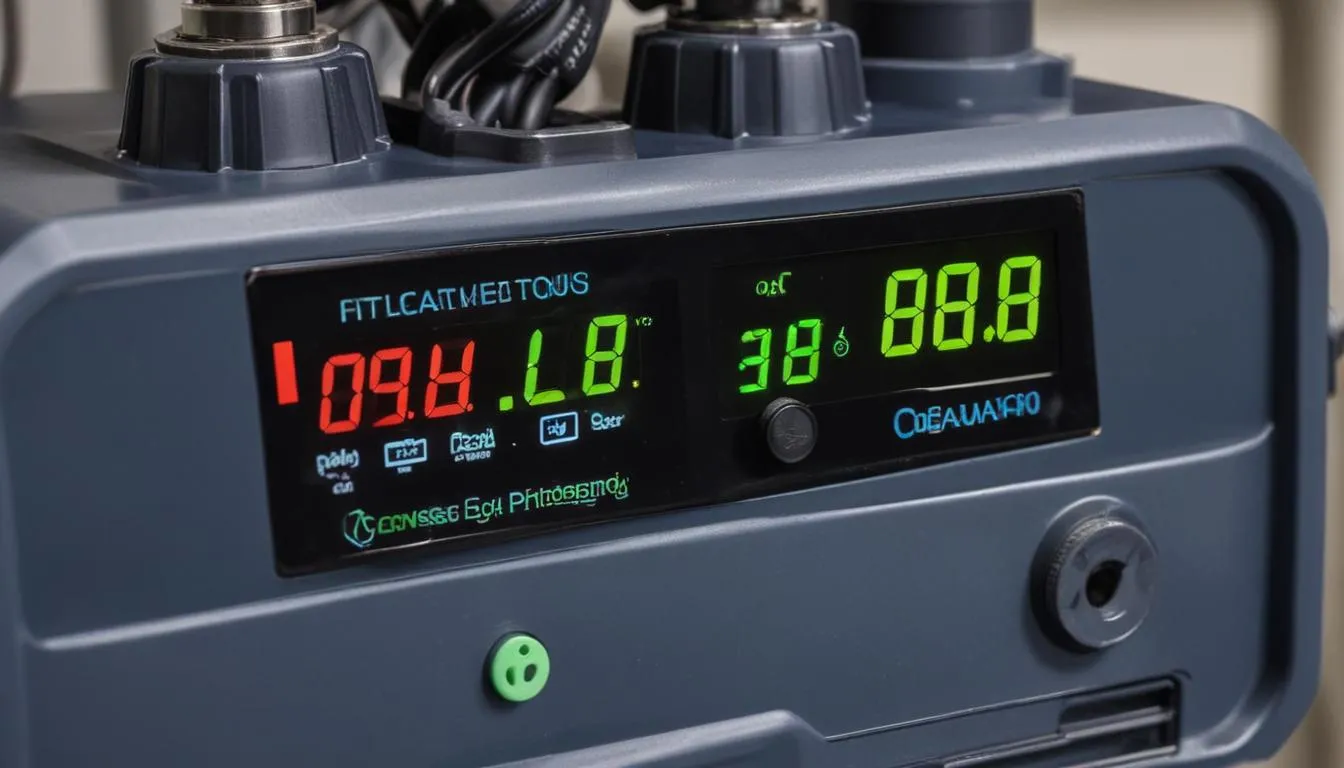 Analyzing the results of pump energy audits is a critical step in understanding system performance and identifying potential improvements. Upon completion of an energy audit, various metrics and indicators must be examined to assess the efficiency and overall operational health of the pump system.
One of the key metrics to consider is the pump efficiency, which can be quantitatively expressed as a percentage. This metric is calculated by comparing the hydraulic power output of the pump to the mechanical or electrical power input. An efficiency rating below industry standards often signals inefficiencies that need addressing. The calculation can be laid out in a simple formula:
| Efficiency (%): | = (Hydraulic Power Output / Brake Horsepower Input) × 100 |
|---|
Other important metrics to analyze include:
- Flow Rate: Evaluate the actual flow rate against the designed flow rate to identify performance discrepancies.
- Head Loss: Assess system head loss which can indicate issues such as clogged pipes, improper valve settings, or pump misalignment.
- Power Factor: Monitor the power factor of the motors; a low power factor can indicate inefficient motor operation and may incur extra costs on electric bills.
- Total Dynamic Head (TDH): Analyze the TDH requirement of the system, which should match the pump’s specifications to optimize performance.
Understanding each of these performance metrics enables operators to pinpoint specific inefficiencies and establish a baseline for further improvements. By benchmarking these results against industry standards or similar systems, operators can gauge where their system stands in terms of efficiency and operational effectiveness.
Moreover, attention must be given to energy consumption patterns throughout different operational conditions, highlighting discrepancies that may arise during peak and off-peak hours. Given that energy costs can fluctuate significantly based on demand, data collection should extend beyond mere operational metrics to include detailed energy bill analysis, identifying trends and anomalies in energy usage over time.
Utilizing advanced data analysis techniques, such as regression analysis or data visualization tools, can help in revealing hidden patterns that might go unnoticed. These tools can illustrate energy consumption trends and correlate them with operational data, enabling the identification of root causes for energy inefficiencies.
Next, an important step in the analysis phase involves identifying opportunities for improvement. This includes exploring potential modifications or upgrades, such as:
- System Optimization: Fine-tuning the controls and settings of pumps and motors based on performance data to reduce energy consumption.
- Pump Replacement: Considering the replacement of underperforming pumps with high-efficiency models that meet the operational demands.
- VFD Installation: Implementing Variable Frequency Drives (VFDs) to adjust motor speed according to demand can significantly improve efficiency.
- Regular Maintenance Protocols: Instituting a routine maintenance protocol to address minor issues before they escalate into more significant problems.
By employing these enhancements, facilities can improve their pump systems’ overall efficiency, reduce energy costs, and minimize environmental impact. The thorough analysis of audit results also supports a culture of continuous improvement, fostering long-term operational excellence.
Implementing Energy Efficiency Improvements
To effectively implement energy efficiency improvements following a pump energy audit, it is vital to prioritize actionable solutions based on the audit findings. These improvements not only enhance system performance but also lead to substantial cost savings and reduced energy consumption over time.
One approach to implementing improvements is to establish a clear plan based on the audit recommendations. This plan should include:
- Prioritization of Immediate Fixes: Begin with low-cost, high-impact interventions that can be quickly implemented, such as fixing leaks, optimizing control settings, and eliminating unnecessary running hours.
- Investment in Upgrades: Assess the feasibility of investing in high-efficiency pumps, motors, and Variable Frequency Drives (VFDs) that can provide long-term savings through improved efficiency.
- Regular Maintenance Schedule: Create a routine maintenance schedule that addresses not only immediate issues but also enhances the longevity of the pump system, ensuring it operates at peak efficiency.
Effective training for operators and maintenance personnel is also paramount. Educating staff about the significance of energy efficiency and the best operational practices can lead to improved performance. Key training topics should include:
- System Monitoring: Teach staff to recognize signs of inefficiency, such as unusual sounds or vibrations, which can indicate underlying problems.
- Control Systems: Instruct personnel on the optimized use of automation and control systems to adapt pump operations to varying demand.
- Performance Tracking: Encourage regular monitoring of performance metrics to quickly identify and address deviations from expected performance levels.
In addition to the operational aspects, it is crucial to assess the impact of implemented changes on energy consumption. This involves:
- Follow-Up Audits: Schedule follow-up audits at regular intervals to evaluate the efficacy of the improvements and make further adjustments as necessary.
- Performance Data Analysis: Continuously collect and analyze performance data to understand how changes have impacted overall efficiency. Metrics such as energy consumption per unit of output and system efficiency should be front and center.
- Benchmarking: Compare updates against previous energy consumption levels and industry standards to confirm the success of implemented strategies.
To further support efforts towards long-term energy efficiency, facilities can explore incentives and funding opportunities available for projects aimed at boosting energy efficiency. This may include federal tax credits, local utility rebates, or grants specifically for energy-efficient technology upgrades. Engaging with energy efficiency programs can provide financial incentives while motivating ongoing improvements.
Finally, fostering a culture of sustainability within the organization encourages sustained commitment towards energy efficiency. Promoting awareness around the significance of pump energy audits and efficiency initiatives reinforces the value of continuous improvement and environmental responsibility among all team members.
By meticulously executing these strategies and consistently tracking outcomes, organizations can realize significant enhancements in pump system efficiency and reduce operational costs, thereby advancing their sustainability goals.