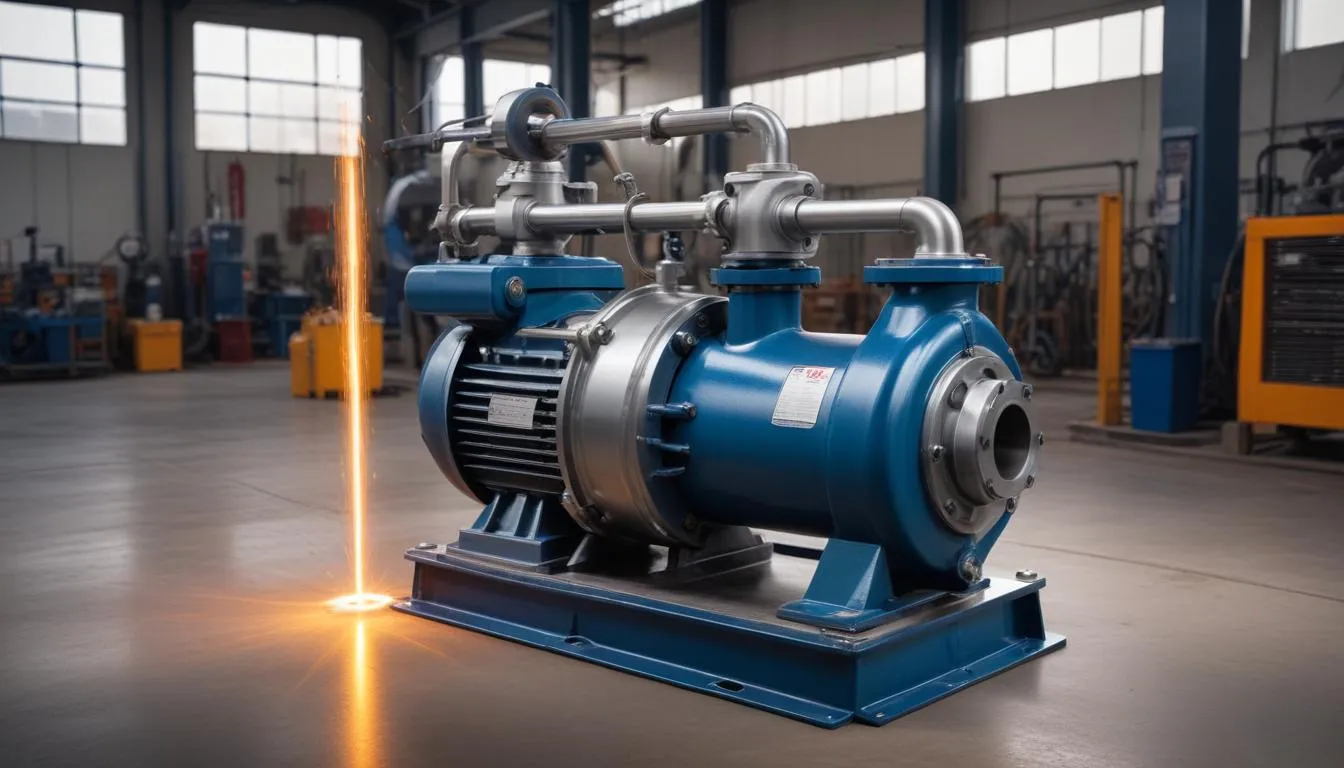
 To ensure optimal pump reliability, it is essential to consider several key factors that contribute to the overall performance and longevity of the pumping system. Understanding these factors helps in implementing effective enhancement strategies that minimize downtime and prevent costly repairs.
- Correct Sizing: Proper pump selection and sizing is critical. An oversized pump can lead to excessive wear and energy consumption, while an undersized pump may not meet system demands, causing frequent failures.
- Quality of Materials: The use of high-quality materials that can withstand operational conditions, such as pressure, temperature, and corrosive environments, is vital. This impacts both the durability and reliability of the pump.
- Installation Practices: Following manufacturer guidelines during installation is essential to achieving pump reliability. Correct alignment, secure mounting, and appropriate sealing prevent operational issues.
- Operational Conditions: Maintaining appropriate operational conditions, including flow rates and temperatures, is crucial. Deviations outside recommended ranges can lead to premature failures.
- Regular Maintenance: Adoption of a structured maintenance program significantly enhances pump reliability. Scheduled inspections and timely repairs ensure that minor issues are addressed before they escalate into major failures.
- Employee Training: Training personnel who operate and maintain pumps is essential. Knowledgeable staff can identify potential problems early and apply the right maintenance techniques.
- Environment Considerations: Assessing the installation environment for potential hazards, such as vibration, excess moisture, or contaminants, contributes to the longevity of pumps.
By focusing on these key factors, operators can implement targeted enhancement strategies that boost pump reliability, reduce unforeseen mechanical failures, and promote operational efficiency.
Common Pump Failures and Their Causes
Pump failures are often linked to specific causes that can be identified and mitigated through effective management and maintenance strategies. Understanding these common issues aids in developing preventive measures that directly enhance pump reliability.
- Mechanical Seal Failures: Mechanical seals are designed to prevent leaks between rotating and stationary parts. However, they can fail due to various reasons, such as improper installation, misalignment, or wear over time. Maintaining correct alignment and regularly inspecting seals can reduce the risk of leakage and maintain optimal operating conditions.
- Bearing Failures: Bearings support the rotating components of a pump and can fail due to overloading, lack of lubrication, or contamination. Regularly scheduled maintenance that includes lubrication checks and monitoring for unusual sounds can prevent bearing failure and prolong pump life.
- Impeller Damage: The impeller is critical for creating flow, and damage can occur from cavitation, corrosion, or foreign material ingestion. To mitigate these risks, operators should ensure proper design to handle specific media characteristics and implement regular monitoring for signs of wear.
- Pump Cavitation: Cavitation occurs when vapor bubbles form and collapse within the pump, leading to damage and inefficiencies. This phenomenon can be addressed by maintaining adequate suction conditions and ensuring proper pump sizing to prevent low-pressure situations.
- Worn or Damaged Rotors: In certain types of pumps, like wearing pumps and screw pumps, rotors can become worn or damaged, leading to reduced efficiency and failure. Scheduled inspections and timely replacements can curb operational issues and improve efficiency.
- Clogged Filters or Strainers: Filters and strainers are crucial for removing debris from the fluid before it enters the pump. Regular checks and cleaning of these components ensure uninterrupted flow and protect the pump from damage due to contaminants.
- Electrical Failures: Issues such as power surges and improper electrical connections can lead to pump motor failures. Ensuring a reliable electrical supply through proper installation and using quality electrical components can enhance overall reliability.
To successfully combat these failures, it’s essential to implement a robust maintenance strategy that includes routine checks, employee training for early detection of potential problems, and the employment of modern monitoring technologies to track performance effectively. By understanding the causes of common pump failures, operators can take necessary steps to fortify pump reliability and ensure a smooth operational experience.
Best Practices for Pump Maintenance
To maximize pump reliability and ensure longevity, a systematic approach to maintenance is crucial. Implementing best practices helps mitigate the risks of mechanical failures and enhances operational efficiency. Here are some essential maintenance strategies that can be employed.
- Scheduled Inspections: Establish a routine for comprehensive inspections of pumps and their components. Regular checks should include the examination of seals, bearings, and impellers to identify any signs of wear or potential damage before they lead to system failures.
- Lubrication Management: Proper lubrication is critical for reducing friction and wear. Create a lubrication schedule that adheres to manufacturer recommendations, ensuring that all bearings and moving parts are adequately serviced with the right type of lubricant.
- Vibration Analysis: Utilize advanced vibration analysis techniques to monitor pump health. Excessive vibration can indicate misalignment or imbalances in the rotating components. Regular analysis helps in early identification and correction of such issues.
- Performance Testing: Conduct performance testing periodically to assess the pump’s flow rate, pressure, and efficiency. This data can highlight deviations from expected operational parameters, facilitating timely intervention to prevent failures.
- Motor and Electrical Component Checks: Regularly inspect electrical components, connections, and motor systems for any signs of wear or electrical faults. Ensure that all connections are secure, and replace any damaged components to uphold efficient pump operation.
- Filter and Strainer Maintenance: Maintain a strict cleaning schedule for filters and strainers to prevent obstructions that can hinder pump performance. Regular monitoring for clogging ensures continued flow and protects against damage from contaminants.
- Documentation and Record Keeping: Keep detailed records of maintenance activities, inspections, and performance data. This documentation is vital for tracking trends over time, which aids in forecasting maintenance needs and identifying potential issues early.
- Employee Training: Regularly train employees on maintenance practices and the significance of early problem detection. Knowledgeable staff are better equipped to handle equipment and are instrumental in implementing proactive maintenance strategies.
- Utilization of Technology: Incorporate technology in maintenance routines, such as monitoring systems that provide real-time feedback on pump performance. These technologies can alert operators to deviations from standard performance metrics before they result in a failure.
Implementing these best practices not only enhances pump reliability, but also contributes to efficient operational management. Regular maintenance ensures that any potential issues are addressed proactively, ultimately extending the lifespan of the equipment and avoiding costly downtimes.
Advanced Technologies for Reliability Improvement
 Adopting advanced technologies plays a crucial role in improving pump reliability and ensuring a proactive approach to maintenance. Utilizing sophisticated tools and systems provides operators with valuable insights, enabling them to implement effective enhancement strategies. Here are some advanced technologies that can significantly boost the reliability of pumping systems:
- Predictive Maintenance: This approach leverages data analysis and condition monitoring tools to predict potential failures before they occur. By analyzing trends in vibration, temperature, and pressure data, maintenance activities can be planned based on the actual condition of the pump rather than on a fixed schedule, enhancing overall maintenance efficiency and pump reliability.
- Internet of Things (IoT): IoT integrates sensors directly into pump systems, allowing real-time monitoring and data collection. These sensors provide critical data on operating conditions and system health. IoT applications can send instant alerts when anomalies are detected, giving operators the ability to react swiftly and prevent significant failures.
- Advanced Vibration Monitoring: Utilizing sophisticated vibration analysis equipment enables early detection of misalignment, imbalance, and other mechanical issues. These systems use algorithms to differentiate between normal and faulty operations, thus preventing unexpected pump shutdowns through timely interventions.
- Artificial Intelligence (AI) in Maintenance: AI algorithms can analyze vast amounts of data collected from pump operations, learning to recognize patterns that may indicate impending failures. With machine learning, these systems can continuously improve their predictive capabilities, allowing for increasingly reliable maintenance schedules tailored to each specific pump.
- Remote Monitoring Systems: Remote monitoring allows for off-site observation of pump performance. Operators can monitor several parameters, including operational efficiency and environmental conditions, from anywhere. This capability not only reduces the need for frequent onsite inspections but also facilitates rapid response in case of performance deviations.
- Digital Twin Technology: Creating a digital twin of a pump system enables real-time simulations of how changes to operational parameters affect performance. This technology aids engineers in optimizing designs, predicting issues, and running scenarios to understand potential impacts before they occur, ultimately enhancing pump reliability.
- Automated Data Logging: Automatically capturing operational data with logging systems simplifies performance tracking over time. Such data can reveal trends, identify recurring issues, and aid in establishing effective maintenance strategies by providing a historical context for decision-making.
Incorporating these advanced technologies into pump maintenance practices not only significantly improves pump reliability but also allows for a more efficient use of resources. By understanding and leveraging these tools, operators can develop strategies that anticipate issues rather than merely reacting to them, paving the way for sustained operational excellence.
Performance Monitoring and Data Analysis Strategies
Monitoring the performance of pumps and analyzing data is a critical aspect of ensuring long-term pump reliability. Implementing effective strategies for performance monitoring allows for early detection of issues, leading to timely intervention and improved equipment maintenance. Below are several key strategies and tools that can enhance the monitoring and analysis process.
- Real-Time Data Collection: Utilizing sensors and IoT devices to gather real-time performance data provides operators with immediate insights into pump conditions. Continuous monitoring of parameters such as flow rate, pressure, and temperature can help identify anomalies before they escalate into serious issues.
- Trend Analysis: By regularly analyzing historical data collected from pumps, operators can uncover trends that reveal performance degradation over time. Identifying these trends enables proactive maintenance actions, eliminating the risk of unexpected breakdowns by addressing issues during scheduled maintenance windows.
- Anomaly Detection Algorithms: Advanced algorithms can be employed to automatically detect deviations from normal operating conditions. These algorithms flag unusual patterns or spikes in data, allowing operators to investigate potential problems promptly, which enhances the overall reliability of the pump system.
- Condition Monitoring Systems: Implementing condition monitoring systems allows for the assessment of pump performance against baseline metrics. These systems can integrate multiple sensors to continuously track performance, providing a comprehensive view of the pump’s health and guiding maintenance decisions.
- Data Visualization Tools: Effective visualization of performance data through dashboards or software applications assists operators in easily interpreting complex data sets. This enables quick identification of performance issues and facilitates informed decision-making regarding maintenance strategies.
- Integration with CMMS: Connecting monitoring systems with a Computerized Maintenance Management System (CMMS) enhances the overall effectiveness of maintenance activities. Automated alerts and work order generation based on performance data help streamline maintenance operations and ensure that necessary actions are taken on time.
- Root Cause Analysis: When performance deviations occur, conducting root cause analysis helps identify underlying issues that may not be immediately apparent. By understanding the core reasons behind performance drops, operators can implement targeted enhancements in maintenance practices to prevent future occurrences.
- Regular Training for Staff: Ensuring that operators and maintenance personnel are well-trained in the use of performance monitoring tools and data analysis techniques is essential. Well-informed staff can better interpret data, allowing them to respond effectively to alerts and maintain pump reliability.
The integration of performance monitoring and data analysis strategies into pump maintenance practices can significantly enhance pump reliability. Continuous data tracking, combined with effective analysis, supports the realization of predictive maintenance methodologies, minimizing downtime and optimizing operational efficiency. By remaining vigilant about pump conditions and employing data-driven insights, operators can effectively reduce the likelihood of failures and enhance their overall maintenance strategies.