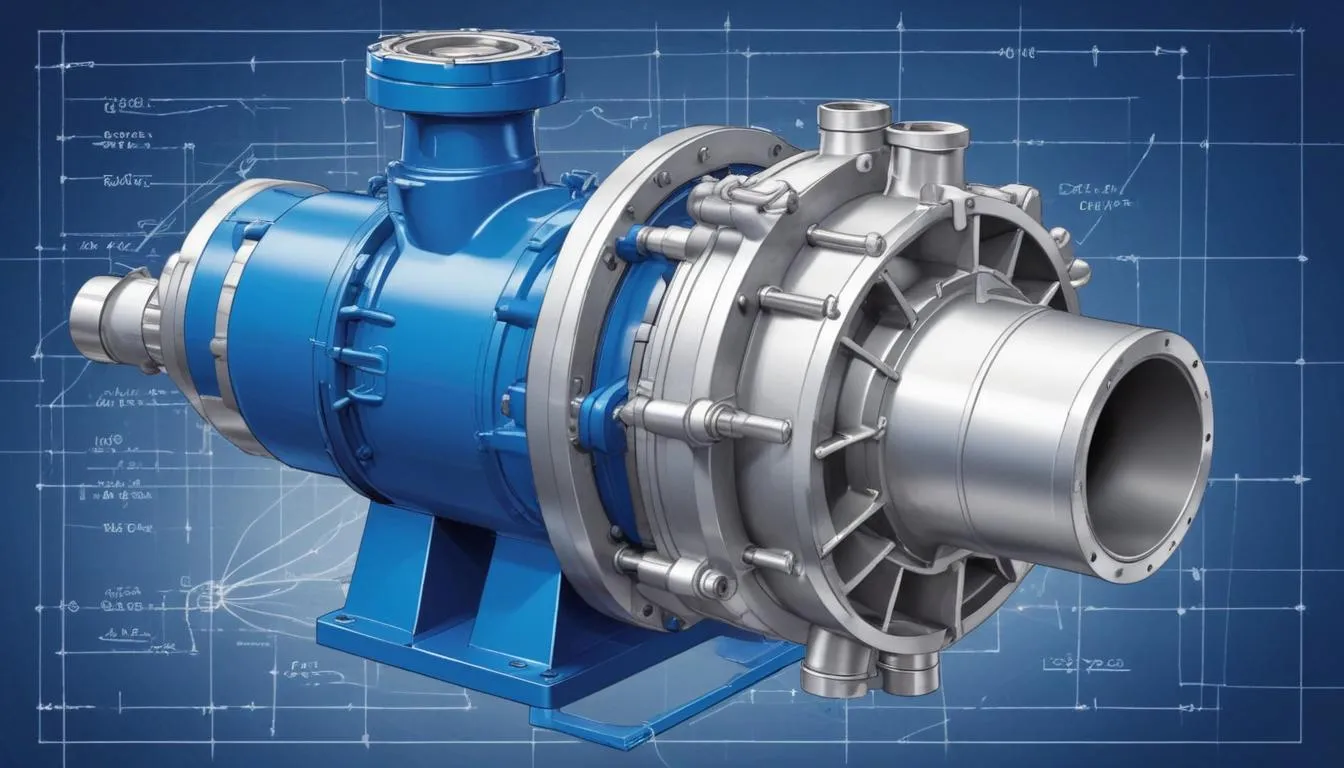
 Pumps are critical components in a wide range of engineering applications, and understanding the various pump types and their specific applications is essential for engineers to meet project design requirements. The selection of an appropriate pump type depends on factors such as the fluid being transported, the operational environment, and the desired performance characteristics.
- Centrifugal Pumps: These pumps are widely used due to their ability to handle large volumes of fluid efficiently. They operate on the principle of converting rotational energy to hydrodynamic energy, making them ideal for applications such as water supply, HVAC systems, and industrial processes.
- Positive Displacement Pumps: Unlike centrifugal pumps, positive displacement pumps move fluid by trapping a fixed amount and forcing it into the discharge pipe. This category includes gear pumps, diaphragm pumps, and piston pumps, commonly used in applications like chemical processing and food production, where precise flow rates are necessary.
- Submersible Pumps: Designed to function while submerged in the fluid they are pumping, these pumps are often used for groundwater extraction and sewage removal. They offer advantages in terms of efficiency and compact design.
- Peristaltic Pumps: Suitable for applications that require sterile or abrasive fluids, these pumps work by compressing a flexible tube or hose. They are commonly used in the pharmaceutical and food industries due to their gentle handling of sensitive materials.
- Magnetic Drive Pumps: These pumps offer a sealless design, reducing the risk of leaks and making them ideal for hazardous fluids. Their magnetic coupling allows for quiet operation and increased reliability.
When selecting the appropriate pump, engineers must take into account not only the type of pump but also the performance parameters, such as flow rate, head, efficiency, and power requirements. Additionally, the characteristics of the fluid, including viscosity, temperature, and chemical composition, play a crucial role in determining compatibility with pump materials and ensuring long-term performance.
It is paramount for engineers to thoroughly analyze pump specifications during the design phase. Conducting a comprehensive assessment of the intended application and operational conditions can lead to enhanced performance and operational efficiency. Additionally, reviewing various pump configurations can help engineers make informed decisions that align with their project goals and technical requirements.
Key performance parameters
Key performance parameters are integral to the successful operation of pumps in various engineering applications. Understanding these parameters enables engineers to select and design pumps that meet specific project requirements effectively. Here are some of the essential performance parameters to consider:
- Flow Rate: The flow rate is a measure of the volume of fluid that passes through the pump over a specified period, typically expressed in gallons per minute (GPM) or liters per second (L/s). An understanding of the required flow rate is crucial to ensure the pump can meet the demands of the application.
- Head: This parameter refers to the height of fluid that the pump can lift and is often expressed in feet or meters. Head is critical for determining the pump’s ability to overcome system resistance and achieve the desired discharge elevation. Engineers must calculate the total dynamic head (TDH) to ensure proper selection.
- Efficiency: Efficiency is a measure of how effectively the pump converts input energy into hydraulic energy. High efficiency is desirable to minimize energy consumption and operational costs. It is often expressed as a percentage, with values above 80% considered good for most applications.
- Power Requirements: The power required to operate a pump is influenced by its flow rate and head. Engineers must calculate the horsepower (HP) or kilowatts (kW) needed to ensure the pump is adequately powered. This information is essential for selecting motors and drives that can effectively handle the pump’s demands.
- Cavitation: Cavitation occurs when the pressure in the pump falls below the vapor pressure of the fluid, causing vapor bubbles to form and potentially damaging internal components. Engineers should ensure that the pump operates within acceptable limits to prevent cavitation, which could result in significant maintenance and replacement costs.
- Viscosity and Temperature: The physical properties of the fluid being pumped, including viscosity and temperature, can significantly impact pump performance. High-viscosity fluids require different pump designs than those used for low-viscosity fluids. Similarly, temperature affects material selection and might require specific pump configurations to maintain efficiency and safety.
- Net Positive Suction Head (NPSH): NPSH is the measure of the pressure available at the pump suction to prevent cavitation. Engineers must understand both the required NPSH of the pump and the available NPSH in the system to ensure optimal performance and avoid cavitation issues.
In conclusion, evaluating these performance parameters is essential for engineers when selecting pumps that comply with project design requirements. A thorough understanding of these specifications facilitates improved system design, enhanced operational efficiency, and reduced operational costs, ultimately achieving the desired outcomes in various engineering applications.
Material selection and compatibility
Material compatibility is a crucial factor in pump design and selection, as it directly influences the pump’s performance, durability, and safety in various applications. Engineers must consider the characteristics of the fluid being pumped, as well as the operational environment, to ensure that the materials selected for the pump can withstand the conditions they will face.
Different materials exhibit unique properties that make them suitable for specific applications. The following table summarizes common materials used in pump construction and their typical applications:
| Material | Properties | Common Applications |
|---|---|---|
| Stainless Steel | Corrosion-resistant, high strength | Food processing, pharmaceuticals, chemical processing |
| Cast Iron | Durable, good wear resistance, economical | Water treatment, sewage systems, general industrial applications |
| Bronze | Corrosion-resistant, good machinability | Marine applications, oil and gas, HVAC systems |
| Thermoplastics | Lightweight, corrosion-resistant, easy to fabricate | Chemical processing, pharmaceuticals, food applications |
| Elastomers | Flexible, chemical resistance, stress relaxation | Seals and gaskets in various pump designs |
When assessing material compatibility, engineers must evaluate the following factors:
- Chemical Compatibility: Understanding the interaction between the pump materials and the fluid is vital. Certain chemicals can cause corrosion, swelling, or degradation of materials, leading to pump failure.
- Temperature Resistance: The selected materials must withstand the operating temperature range without losing mechanical strength or integrity. High-temperature applications often require specialized materials like high-performance plastics or metals.
- Pressure Conditions: Materials should be able to handle the maximum pressure levels expected in the pumping system. Engineers must ensure that chosen materials do not deform or rupture under these conditions.
- Abrasiveness of Fluids: Fluids containing solid particles can lead to increased wear and tear on pump components. Materials with high wear resistance, such as ceramic coatings, may be necessary for these applications.
- Fatigue Resistance: Pumps undergo cyclic loading during operation, necessitating materials that can endure mechanical fatigue without failure over time.
In addition to the above considerations, regulatory standards may influence material selection based on safety and environmental implications. Engineers should ensure that materials comply with industry regulations, especially in sectors like food and pharmaceuticals where contamination can pose significant risks.
Ultimately, the effective selection of materials not only impacts the performance and longevity of the pump but also plays a critical role in meeting design requirements. Engineers must carefully balance factors including cost, compatibility, and operational requirements to achieve the most efficient and reliable pump operation in their specific applications.
Installation and maintenance considerations
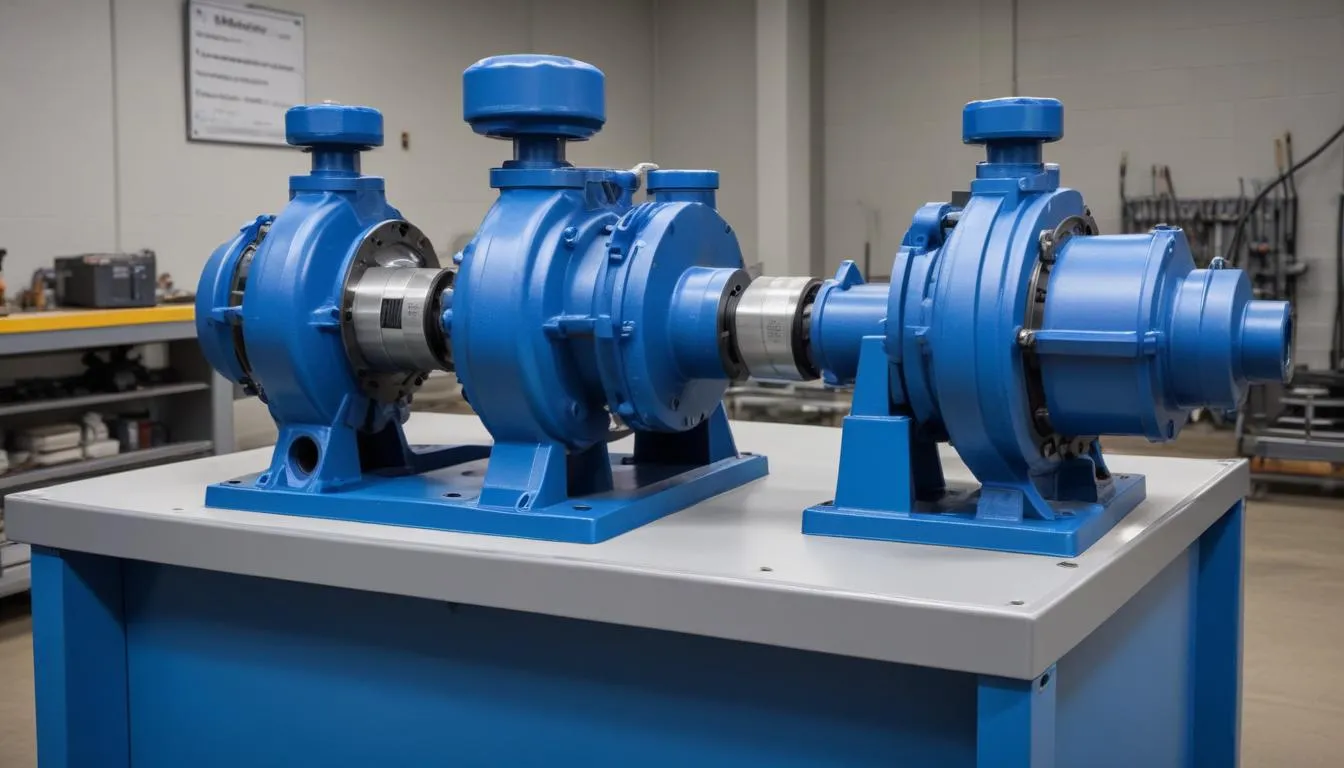 Proper installation and maintenance of pumps are critical aspects that directly influence their performance, lifespan, and efficiency. Engineers must pay careful attention to these factors during the design and operational phases to ensure optimal functionality. Various considerations come into play from the initial setup through ongoing maintenance activities.
One of the primary aspects to consider during pump installation is the alignment. Proper alignment of the pump and motor is essential to reduce vibrations and wear on components. Misalignment can lead to premature failure and increased maintenance costs. Engineers should use precision tools to ensure that the pump and motor shafts are properly aligned before securing them in place. Additionally, installing vibration isolation pads can help minimize the impact of operational vibrations on surrounding structures.
Another significant consideration is the configuration of the suction and discharge piping. The layout should be designed to minimize pressure drops and eliminate sharp bends that can cause turbulence. Engineers must ensure that the piping is adequately sized to prevent cavitation, particularly during startup and shutdown phases. The use of flow straighteners or expansion joints may help mitigate issues related to sudden changes in velocity or direction.
During installation, attention must be given to the pump’s mounting. Ensuring a stable, level foundation is crucial for preventing misalignment and cavitation. Engineers should verify that the mounting surface can support the weight of the pump and any associated components. Additionally, securing the pump with appropriate anchors and brackets can enhance stability during operation.
Regular maintenance is essential for maximizing pump reliability and efficiency. Establishing a comprehensive maintenance schedule that includes routine inspections, performance monitoring, and component replacements is vital. Engineers should incorporate the following components into their maintenance strategies:
- Lubrication: Maintain proper lubrication of bearings and other rotating components, following the manufacturer’s guidelines for appropriate lubricants and schedules.
- Seal Checks: Regularly inspect seals and gaskets for signs of wear or leakage, replacing them as necessary to prevent fluid loss and maintain performance.
- Filter Maintenance: If the pump system includes filters, ensure these are cleaned or replaced according to the recommended intervals to prevent clogging and maintain flow rates.
- Vibration Analysis: Conduct periodic vibration analyses to detect abnormal wear patterns and identify potential issues before they result in pump failure.
- Performance Monitoring: Continuously monitor key parameters such as flow rate, pressure, and power consumption to identify deviations from normal operation and address them promptly.
Engineers must also ensure compliance with relevant safety standards and regulations during both installation and maintenance activities. Proper training for personnel involved in pump operation and service is essential to promote a culture of safety and adherence to best practices.
Overall, successful pump installation and maintenance hinge on a thorough understanding of the equipment, attention to detail, and a proactive approach to performance monitoring. By adhering to these principles, engineers can ensure that pumps operate efficiently and reliably within their design requirements, thus maximizing system effectiveness.
Safety standards and regulations
Safety in pump operation is paramount, as it impacts not only the efficiency and reliability of the equipment but also the health and safety of personnel and the surrounding environment. Engineers must understand and adhere to a variety of safety standards and regulations while working on pump specifications. These standards are often set by local, national, and international regulatory bodies and vary based on industry and application.
- OSHA Regulations: The Occupational Safety and Health Administration (OSHA) establishes guidelines to ensure safe working conditions. Engineers should familiarize themselves with these regulations, particularly those related to hazard communication, personal protective equipment (PPE), and safety procedures specific to pump operation and maintenance.
- API Standards: For pumps used in the oil and gas industry, the American Petroleum Institute (API) provides standards that cover the design, manufacturing, and maintenance of pumps to ensure safety and reliability in hazardous environments.
- ASME Guidelines: The American Society of Mechanical Engineers (ASME) outlines standards that pertain to the design, construction, and installation of pumps. Compliance with ASME standards helps engineers ensure that pumps meet safety and performance requirements.
- ANSI Standards: The American National Standards Institute (ANSI) operates standards that promote safety in equipment design and operation, including pumps. Adhering to ANSI standards can help engineers in drafting pump specifications that prioritize human safety and equipment reliability.
- Environmental Regulations: Compliance with environmental safety regulations, such as those set by the Environmental Protection Agency (EPA), is critical. Engineers must consider potential environmental impacts, including spills or leaks from pumps, and implement designs that reduce these risks through advanced sealing technologies and proper material selection.
- ISO Certification: The International Organization for Standardization (ISO) provides guidelines that enhance the quality and safety of engineering practices worldwide, including those related to pumps. Adhering to ISO standards can enhance the credibility of pump specifications and ensure international compliance.
Incorporating safety measures into pump design is crucial. Engineers should consider implementing the following features to enhance safety:
- Pressure Relief Valves: Install pressure relief valves to prevent over-pressurization, which can lead to equipment failure and hazardous situations.
- Emergency Shut-Off Systems: Integrate emergency shut-off systems that can be activated promptly to mitigate risks in case of pump failure or other emergencies.
- Vibration Monitoring Systems: Utilize vibration monitoring technology to detect abnormal operation that may indicate potential failures, enabling proactive maintenance and reducing the likelihood of accidents.
- Training and Safety Protocols: Develop comprehensive training programs for personnel to ensure they understand safe operation and maintenance practices. Regular safety drills should be conducted to prepare staff for emergency situations.
It is essential for engineers to regularly review and update safety practices to align with evolving regulations and technological advancements. Continuous improvement in safety standards not only safeguards personnel and the environment but also enhances the legacy of engineering integrity, reliability, and efficiency in pump applications. By embedding safety into pump specifications and operational procedures, engineers can significantly reduce risks and promote sustainable engineering practices.