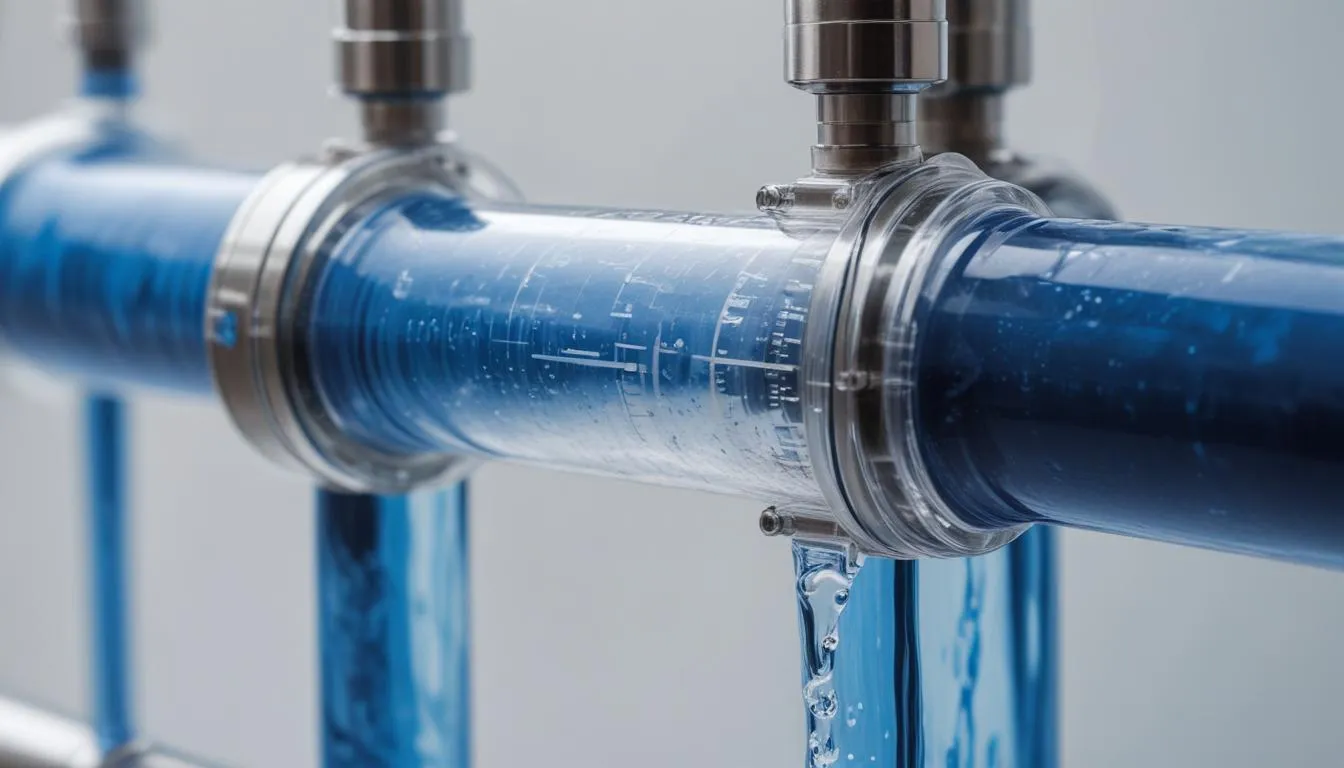
 In pump systems, pressure drop refers to the reduction in pressure as the fluid moves through the system. This phenomenon can occur due to various factors such as friction, changes in elevation, and obstructions present in the flow path. Understanding this concept is crucial for engineers and designers to ensure efficient pump systems that minimize energy loss and maintain system performance.
The pressure drop can influence the operation of a pump in several ways. It affects the flow rate, efficiency, and overall energy consumption of the system. When there is a significant pressure drop, the pump may work harder to maintain desired flow levels, which can lead to increased operational costs and premature wear on the equipment.
Several key elements contribute to pressure drop, including:
- Friction Losses: As fluid flows through pipes, fittings, and valves, it encounters resistance that causes friction losses. The type of material and surface roughness of the pipes can significantly impact these losses.
- Elevation Changes: Fluid moving to a higher elevation will experience a pressure drop due to the work against gravity, which is often referred to as static head loss.
- Flow Restrictions: Any changes in diameter, bends, or fittings within the pump systems can create localized pressure drops, further affecting overall system performance.
The implications of excessive pressure drop are far-reaching. Insufficient pressure levels can result in inadequate flow to end-user applications, potential cavitation in the pump, and reduced overall reliability of the pump systems. To optimize the system, engineers must carefully calculate and monitor these pressure drops throughout the design and operational phases.
Factors Influencing Pressure Drop
In any given pump system, several variables contribute to the phenomenon of pressure drop, affecting overall system efficiency and performance. Understanding these factors is essential for engineers seeking to optimize their designs and mitigate adverse effects.
- Pipe Diameter: The diameter of the pipes in a pump system significantly influences pressure drop. Smaller diameters increase fluid velocity but also raise friction losses. Conversely, larger diameters can reduce friction but might lead to inefficient flow rates if not matched correctly to pump performance.
- Fluid Properties: The density and viscosity of the fluid being pumped play critical roles in determining pressure loss. Higher viscosity fluids experience greater friction, leading to increased pressure drops. Engineers must account for these properties when selecting pump systems to ensure optimal operation.
- Flow Rate: The relationship between flow rate and pressure drop is logarithmic. As flow rate increases, the pressure drop escalates substantially due to increased frictional forces within the system. Understanding this correlation helps in choosing the right pump for the desired flow conditions.
- System Configuration: The arrangement of components within a pump system, such as valves, elbows, and tees, increase turbulence, further contributing to pressure loss. Each fitting and junction alters flow characteristics and should be strategically placed to minimize resistance.
- Temperature: Variation in temperature can affect fluid viscosity and, in turn, impact pressure drop. Warm fluids generally have lower viscosity, reducing friction losses, while colder fluids typically exhibit higher viscosity, which escalates the pressure drop.
Additionally, pump systems must consider the operational environment and maintenance practices. Accumulation of debris inside the pipes and fittings can lead to unexpected pressure drops over time, necessitating regular inspections and maintenance to uphold system efficiency.
Ultimately, understanding these influencing factors allows for more informed decisions in the design and operation of pump systems, ensuring they function within optimal pressure ranges to prevent adverse implications on overall performance and reliability.
Calculating Pressure Drop in Pump Systems
To effectively calculate pressure drop in pump systems, engineers employ various formulas and methodologies aimed at quantifying loss due to friction, elevation, and flow restrictions. The most commonly used formula for calculating pressure drop in a system is the Darcy-Weisbach equation, which emphasizes the importance of the head loss in a pipe due to friction. This equation can be expressed as:
| Formula | Description |
|---|---|
| ΔP = f * (L/D) * (ρ * v² / 2) | Where ΔP is the pressure drop (Pa), f is the friction factor (dimensionless), L is the length of the pipe (m), D is the pipe diameter (m), ρ is the fluid density (kg/m³), and v is the flow velocity (m/s). |
Understanding the components of this formula is crucial:
- Friction Factor (f): This value is influenced by the flow regime (laminar or turbulent) and can be determined from the Moody chart, depending on the Reynolds number.
- Pipe Length (L): The longer the pipe, the higher the pressure drop. This is directly proportional, making it essential for designers to consider efficient routing of pipes.
- Pipe Diameter (D): A larger diameter results in lower velocity and thus lower friction losses, contributing to reduced pressure drop. However, this must be balanced with potential flow efficiency issues.
- Fluid Velocity (v): As fluid velocity increases, so does the frictional pressure drop, necessitating careful control of flow rates through the system.
Another approach to calculating pressure drop involves utilizing empirical data and charts designed for specific fluid types and pipe materials. These tools provide practical insights and quick reference values for determining pressure drop without extensive calculations.
In situations involving fittings, valves, and transitions within the pump system, additional calculations are necessary. Each component introduces a pressure loss coefficient, which must be accounted for using the following general relation:
| Formula | Description |
|---|---|
| ΔP_fittings = K * (ρ * v² / 2) | Where K is the loss coefficient for the fittings based on geometry and flow characteristics. |
Additional considerations include incorporating losses due to elevation changes, which can be calculated using the following formula:
| Formula | Description |
|---|---|
| ΔP_elevation = ρ * g * h | Where g is the acceleration due to gravity (9.81 m/s²) and h is the height difference (m). |
By combining these calculations, engineers can arrive at a comprehensive analysis of total pressure drop in pump systems, ensuring each element is accounted for. Consistent monitoring and recalibrating based on operational data can lead to enhanced performance and reduced operational costs over time. Understanding the implications of pressure drop not only supports effective design but also ensures long-term reliability and efficiency in pumping operations.
Mitigation Strategies for Pressure Drop
 To mitigate pressure drop in pump systems, several strategies can be employed that focus on minimizing friction losses, optimizing system design, and maintaining optimal operating conditions. Each approach plays a crucial role in enhancing the efficiency and reliability of a pump system, ultimately preventing adverse implications associated with excessive pressure drop.
- Optimizing Pipe Sizing: One of the most effective ways to reduce pressure drop is to choose the appropriate pipe diameter. Engineers should consider the balance between flow rate and friction losses—larger diameters can lower velocity and decrease friction but may lead to increased costs and other inefficiencies. A well-calculated compromise ensures minimal pressure drop while still accommodating necessary flow rates.
- Using Smooth Materials: The internal surface of pipes significantly influences friction losses. Selecting pipes with smoother materials can minimize turbulence and reduce resistance. When possible, opting for polymers or specially coated metals known for their smooth surfaces can enhance flow conditions.
- Streamlining System Layout: Proper configuration of the pump system components can drastically reduce pressure drop. Avoiding sharp bends, minimizing the number of fittings, and ensuring direct paths for fluid flow can limit turbulence and friction. Conducting a thorough analysis of the proposed layout can help identify potential obstructions early in the design phase.
- Implementing Variable Frequency Drives (VFDs): Incorporating VFDs allows for precise control of pump speed, which can be adjusted according to actual flow demand. By reducing pump speed during periods of lower demand, energy is conserved, and pressure drop can be managed effectively. This adaptive operation helps maintain optimal fluid dynamics, ensuring the system does not operate at unnecessarily high pressures.
- Regular Maintenance and Inspections: Consistent upkeep of pump systems ensures that issues such as debris buildup or corrosion are addressed before they escalate. Regular inspections should focus on pipe conditions, and cleaning or replacing components that show signs of wear can help maintain peak performance and avoid unexpected pressure losses.
- Using Pressure Regulators: Installing pressure regulators within the system can help manage varying pressure levels and maintain them closer to desired values. By keeping the pressure stable, the effects of pressure drops due to changing flow conditions can be mitigated, ensuring a consistent operation.
Additionally, the selection of pumps should align closely with the specific requirements of the application. Understanding the pump’s performance curve and ensuring it operates within its optimal region can reduce the occurrence of excessive pressure drop and enhance overall efficiency.
In summary, embracing these mitigation strategies can significantly diminish pressure drop in pump systems, leading to improved system performance and reduced operational costs. By diligently addressing the factors contributing to pressure drop, engineers can establish reliable systems capable of delivering consistent results.
Case Studies: Common Pressure Drop Scenarios
In practice, several common scenarios demonstrate the significance of managing pressure drop in various types of pump systems. These case studies help illustrate the direct impact pressure drop has on system performance, efficiency, and longevity.
One notable scenario involves hydronic heating systems, where water circulates to provide heating in buildings. In this case, a significant pressure drop was recorded due to inadequate pipe sizing and improper layout. Engineers found that the existing pipe diameter was too small, resulting in increased velocity and friction losses. Ultimately, they needed to redesign the system, opting for larger diameter pipes to reduce friction and enhance flow rates, which improved the overall comfort level in the building.
Another prevalent example can be observed in industrial wastewater management. Here, a facility faced operational challenges due to excessive pressure drop across multiple filters and valves. The pressure drop was so high that it caused the pumps to work harder, leading to mechanical failures and increased energy costs. To address this, engineers re-evaluated the filtration system’s design, replacing worn-out components and optimizing the layout to minimize bends and fittings. As a result, the system reported a significant decrease in pressure drop, enhancing energy efficiency and prolonging the equipment’s lifespan.
| Case Study | Issue | Mitigation |
|---|---|---|
| Hydronic Heating System | Inadequate pipe sizing causing high friction | Redesigned with larger diameter pipes |
| Industrial Wastewater Management | Excessive pressure drop across filters | Optimized design and replaced worn components |
A third scenario includes the use of fire suppression systems. A facility experienced insufficient water supply pressure when the system activated due to a significant pressure drop caused by a long-distance pipe run and multiple turns. To mitigate this issue, engineers installed a booster pump at strategic locations to ensure that pressure levels were consistent, even during activation. This intervention ensured that the fire suppression system operated effectively during critical moments.
Each of these case studies highlights the essential nature of understanding and addressing pressure drop within pump systems. By thoroughly analyzing specific applications, engineers can reveal the implications of pressure drop and implement targeted solutions, leading to more efficient and reliable operations across various contexts. These lessons contribute to the broader understanding of fluid dynamics and the intricate balance required to maintain optimal performance in pump systems.