 The development of e-pump technology has been marked by a series of significant innovations that have transformed its use and efficiency across various sectors. Early implementations of electric pumps relied on simple electric motors, which provided basic functionalities without the efficiency or control that modern systems offer. As the demand for sustainable and energy-efficient solutions increased, advancements in materials and design have played a crucial role in this evolution.
One notable phase in the evolution of e-pump technology was the introduction of smart pumps. These pumps integrate sophisticated sensors and controls, allowing for real-time monitoring and adjustments based on operational demands. The use of software and digital interfaces has enhanced user experience and operational efficiency, providing users with detailed insights into the pump’s performance.
Key innovations over the years have included the development of magnetic drive pumps, which eliminate mechanical seals, reducing the risk of leaks and maintenance costs. Improvements in efficiency have also come from the adoption of variable frequency drives (VFDs), allowing pumps to operate at optimized speeds for the specific conditions required, leading to substantial energy savings.
In the realm of applications, these advancements have paved the way for e-pump technology to be utilized in a diverse range of fields, including:
- Agriculture: Precision irrigation systems that optimize water usage.
- Manufacturing: Enhanced fluid transfer in production processes.
- HVAC systems: Improved heating and cooling efficiency through controlled water flow.
- Water management: Efficient operation in wastewater treatment and distribution systems.
As e-pump technology continues to progress, the push for enhanced performance, reliability, and automation will likely lead to even more sophisticated applications in various industries.
Key components and functionalities
E-pump systems have become increasingly sophisticated due to their advanced components and functionalities that contribute to their widespread adoption in diverse applications. These components are integral to the efficient operation and adaptability of e-pump technology.
Electric Motor: The core of any e-pump is the electric motor, which converts electrical energy into mechanical energy to drive the pump. Modern e-pumps utilize energy-efficient motors, often implementing permanent magnet technology to enhance efficiency and reduce energy consumption.
Control Systems: Advanced control systems enable precise regulation of the pump’s operation. These systems can include microcontrollers or programmable logic controllers (PLCs) that allow for automated adjustments based on the operational needs. The integration of smart technology has further facilitated real-time data monitoring and remote control, enabling operators to fine-tune performance dynamically.
Sensors: E-pump technology is enhanced by various sensors, which measure parameters such as pressure, flow rate, and temperature. These sensors provide critical feedback to the control systems, ensuring optimal performance while preventing conditions that could lead to equipment failure. For instance, pressure sensors can detect fluctuations and automatically adjust the motor speed to maintain consistent output.
Variable Frequency Drives (VFDs): VFDs are pivotal in the operation of e-pumps as they allow for the adjustment of motor speed and torque according to real-time demands. By optimizing the pump speed, VFDs contribute to significant energy savings and extend the lifespan of the pump through reduced wear and tear.
Sealing Mechanisms: E-pumps utilize various sealing technologies to minimize leaks and maintenance requirements. Magnetic drive pumps, for example, eliminate the need for mechanical seals by using magnetic coupling, thus reducing failure points and enhancing reliability in applications requiring careful fluid handling.
Impellers: The design and material of the impeller affect the pump’s efficiency and performance. Modern e-pump systems often incorporate advanced materials such as thermoplastics or stainless steel, which provide strength and resistance to corrosion while optimizing flow characteristics.
In summary, these key components of e-pump technology work in concert to enhance performance, reliability, and efficiency across a range of applications. The combination of energy-efficient motors, advanced control systems, and innovative sealing mechanisms enables e-pump systems to meet the demands of modern industries effectively.
| Component | Functionality |
|---|---|
| Electric Motor | Drives the pump, converting electrical energy to mechanical energy. |
| Control Systems | Regulates pump operation; allows for automation and precise adjustments. |
| Sensors | Measure operational parameters to provide feedback for optimization. |
| Variable Frequency Drives | Adjust motor speed based on demand, enhancing energy efficiency. |
| Sealing Mechanisms | Minimize leaks and maintenance needs, enhancing reliability. |
| Impellers | Influence pump efficiency; modern materials optimize performance. |
Applications in various industries
The versatility of e-pump technology has enabled it to make significant contributions across various sectors, driven by its innovative design and adaptability. Industries are harnessing these systems for enhanced efficiency and reliability, realizing substantial benefits in operational performance.
In agriculture, e-pumps are integral to modern irrigation practices. By employing smart irrigation systems that utilize moisture sensors and data analytics, farmers can optimize water usage, ensure crop health, and reduce waste. This precision application not only conserves water but also enhances crop yields, demonstrating the vital role of e-pump technology in sustainable farming practices.
Within the manufacturing sector, e-pumps facilitate efficient fluid transfer processes essential for production lines. Whether in food and beverage processing or chemical manufacturing, these systems provide the reliability and consistency needed for high-quality production. Their capability to operate with variable speeds allows for better process control, ultimately leading to improved product outcomes and reduced waste.
The HVAC industry has also benefitted from advancements in e-pump technology. Modern HVAC systems utilize e-pumps to regulate water flow for heating and cooling applications. By integrating variable frequency drives, these systems can adjust to real-time thermal demands, resulting in energy savings and improved comfort levels in residential and commercial buildings. This adaptability underscores the growing demand for energy-efficient solutions in climate control.
In water management, e-pump systems are pivotal for enhancing operations in wastewater treatment facilities and municipal water distribution networks. Their ability to handle varying flow rates and pressures enables efficient processing of wastewater and ensures the safe delivery of potable water to communities. Furthermore, the monitoring capabilities offered by e-pump technologies allow for timely maintenance and reduced operational downtimes.
In the pharmaceutical industry, e-pumps are utilized for the precise transfer of liquids in sterile environments. Their advanced sealing mechanisms and contamination-resistant designs ensure compliance with stringent regulatory standards, making them ideal for critical applications such as drug formulation and manufacturing processes.
As e-pump technology continues to evolve, sectors from aerospace to food processing are exploring new opportunities for implementation, driven by the need for innovation and sustainability. These applications illustrate the far-reaching impact of e-pumps, emphasizing their importance in improving efficiency and safety across multiple industries.
| Industry | Application | Benefits |
|---|---|---|
| Agriculture | Smart irrigation systems | Optimizes water usage and enhances crop yields |
| Manufacturing | Fluid transfer in production | Improves consistency and quality of products |
| HVAC | Temperature regulation systems | Energy savings and enhanced comfort levels |
| Water Management | Wastewater treatment and distribution | Efficient processing and reliable water delivery |
| Pharmaceuticals | Sterile liquid transfer | Compliance with regulatory standards |
Advantages of e-pump systems
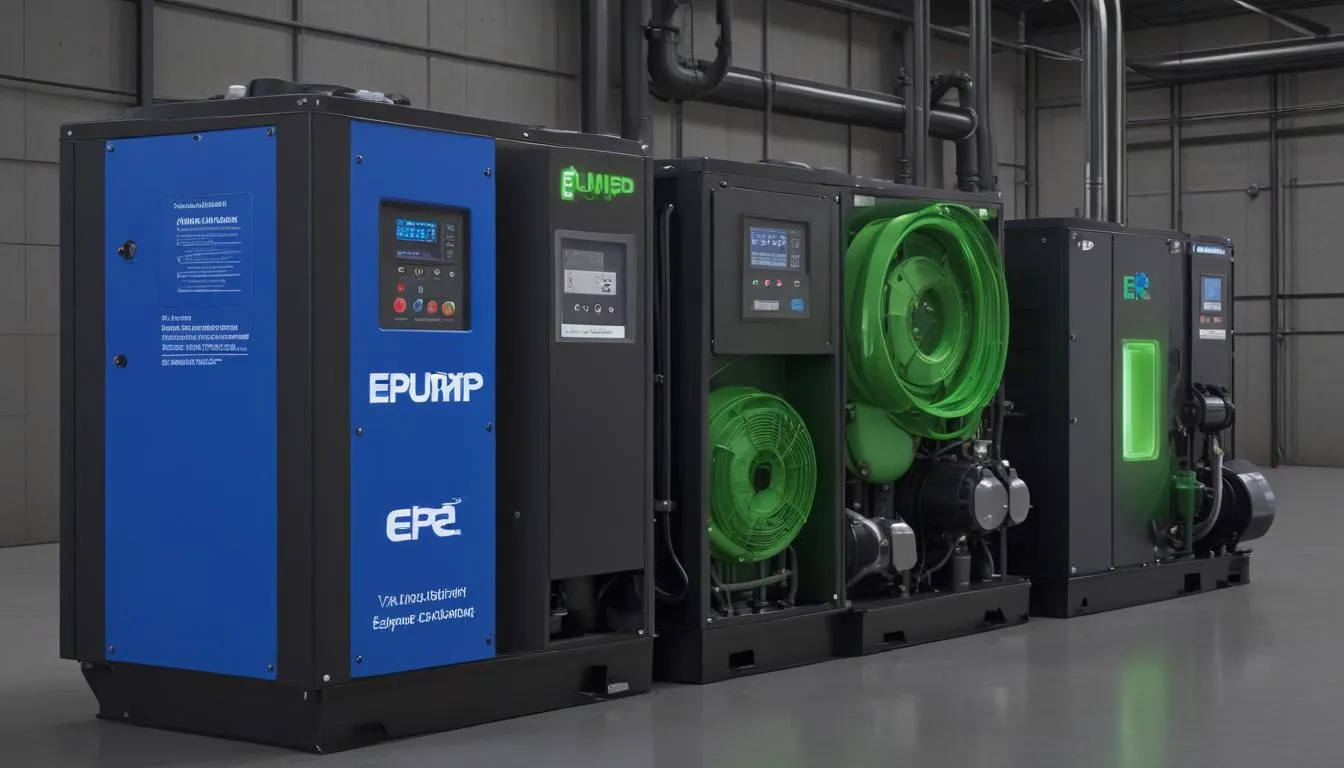 E-pump systems present a host of advantages that make them increasingly attractive in various industries. One of the most significant benefits is their enhanced energy efficiency. By employing advanced technologies such as variable frequency drives (VFDs) and energy-efficient electric motors, e-pumps can drastically reduce energy consumption. This not only leads to lower operational costs but also aligns with global sustainability efforts to minimize carbon emissions.
Another advantage is the precision control that e-pump technology offers. The integration of smart controls and sensors allows for real-time monitoring and adjustments, ensuring that pumps operate under optimal conditions. This level of control helps maintain consistent flow rates and pressures, reducing wear and tear on equipment and extending the lifespan of the system. As a result, e-pumps require less maintenance and have fewer failures compared to traditional pump systems, which can lead to significant cost savings over time.
Moreover, e-pump systems are designed for flexibility and adaptability. They can easily be incorporated into existing infrastructure, making them suitable for retrofitting in older systems. The modular design of many e-pump components allows for upgrades and customization according to specific operational requirements without the need for complete system overhauls. This adaptability is particularly useful in industries like HVAC and manufacturing, where regulations and operational needs are continuously evolving.
E-pump systems also enhance operational safety. With advanced sealing technologies and fewer mechanical seals, the risk of leaks and spills is minimized. This is particularly important in industries such as pharmaceuticals and chemicals, where the integrity of the fluid being pumped is critical. Enhanced safety features not only protect the product integrity but also safeguard employees and the environment from potential hazards.
Furthermore, e-pumps contribute to reduced noise levels during operation, a crucial consideration in residential or sensitive environments. Thanks to their efficient motor designs and vibration dampening features, e-pumps operate more quietly than traditional pumps, enhancing user comfort and complying with environmental regulations regarding noise pollution.
When considering the overall lifecycle costs, the initial investment in e-pump technology often pays off through lower energy bills and maintenance costs. The combination of efficiency, reliability, and safety underscores the positive impact e-pumps can have across multiple sectors, including agriculture, manufacturing, and water management.
| Advantage | Description |
|---|---|
| Energy Efficiency | Reduces energy consumption and operational costs. |
| Precision Control | Real-time adjustments ensure optimal operation, lower maintenance. |
| Flexibility | Easy integration into existing systems; adaptable to changing needs. |
| Operational Safety | Minimized risk of leaks and enhanced safety features. |
| Reduced Noise Levels | Quieter operation compared to traditional pump systems. |
| Lower Lifecycle Costs | Initial investment offsets through energy and maintenance savings. |
Future trends in e-pump technology
As industries continue to push for greater sustainability and efficiency, several future trends are emerging in e-pump technology that promise to reshape the landscape significantly. One prominent trend is the increased adoption of artificial intelligence (AI) and machine learning algorithms within e-pump systems. These technologies will enable predictive analytics for better maintenance and operation schedules, allowing for early detection of potential issues before they escalate into costly failures.
Another area of growth is the emphasis on integrated systems that combine e-pump technology with other energy management systems. These networks can optimize performance by coordinating various components within an operation, ensuring that energy use is as efficient as possible. For example, smart buildings may leverage e-pump systems in conjunction with HVAC and renewable energy sources like solar panels to create self-sustaining environments.
Moreover, the move towards environmentally friendly materials is gaining traction. Manufacturers are actively exploring options that reduce the carbon footprint of e-pump production without sacrificing performance. This shift is particularly relevant as regulatory pressures increase globally, pushing industries to adopt greener practices and materials in their operations.
In terms of performance, the trend of developing compact and lightweight designs is on the rise. Innovations in materials science are paving the way for pumps that not only weigh less but also exhibit improved efficiency and durability. These advancements will enable easier installation and maintenance, making e-pump technology more accessible across various sectors.
Furthermore, as the demand for decentralized energy solutions grows, e-pump technology is likely to play a crucial role in off-grid applications. Systems designed to operate independently, powered by renewable energy, can be employed for water supply in remote areas, agricultural pumping solutions, and even in portable applications for disaster relief efforts.
As part of the trending movement towards full automation, future e-pump systems are expected to feature advanced remote monitoring capabilities through IoT (Internet of Things) integration. This will allow operators to manage and analyze operational data from anywhere, providing insights that support better decision-making and system optimizations based on real-time conditions.
The continued evolution of e-pump technology will also involve fostering closer collaboration between manufacturers and end-users. By sharing insights and feedback, manufacturers can develop products that directly address the specific challenges faced by industries today, thereby enhancing the applicability of e-pumps across diverse sectors.
In summary, these trends indicate that the future of e-pump systems is poised to be dominated by technological advancements that increase efficiency, reliability, and sustainability. As innovations continue to emerge, e-pump technology will play an even more integral role in shaping the operational frameworks of various industries, ensuring they remain competitive in an ever-evolving marketplace.
| Trend | Description |
|---|---|
| AI and Machine Learning | Predictive analytics for maintenance and operation efficiency. |
| Integrated Systems | Coordinated performance with energy management solutions. |
| Environmentally Friendly Materials | Use of sustainable materials in production to reduce carbon footprint. |
| Compact Designs | Lightweight systems for ease of installation and maintenance. |
| Decentralized Solutions | Off-grid applications powered by renewable energy. |
| Remote Monitoring via IoT | Real-time management and analysis of operational data. |
| User-Manufacturer Collaboration | Feedback-driven product development for specific challenges. |