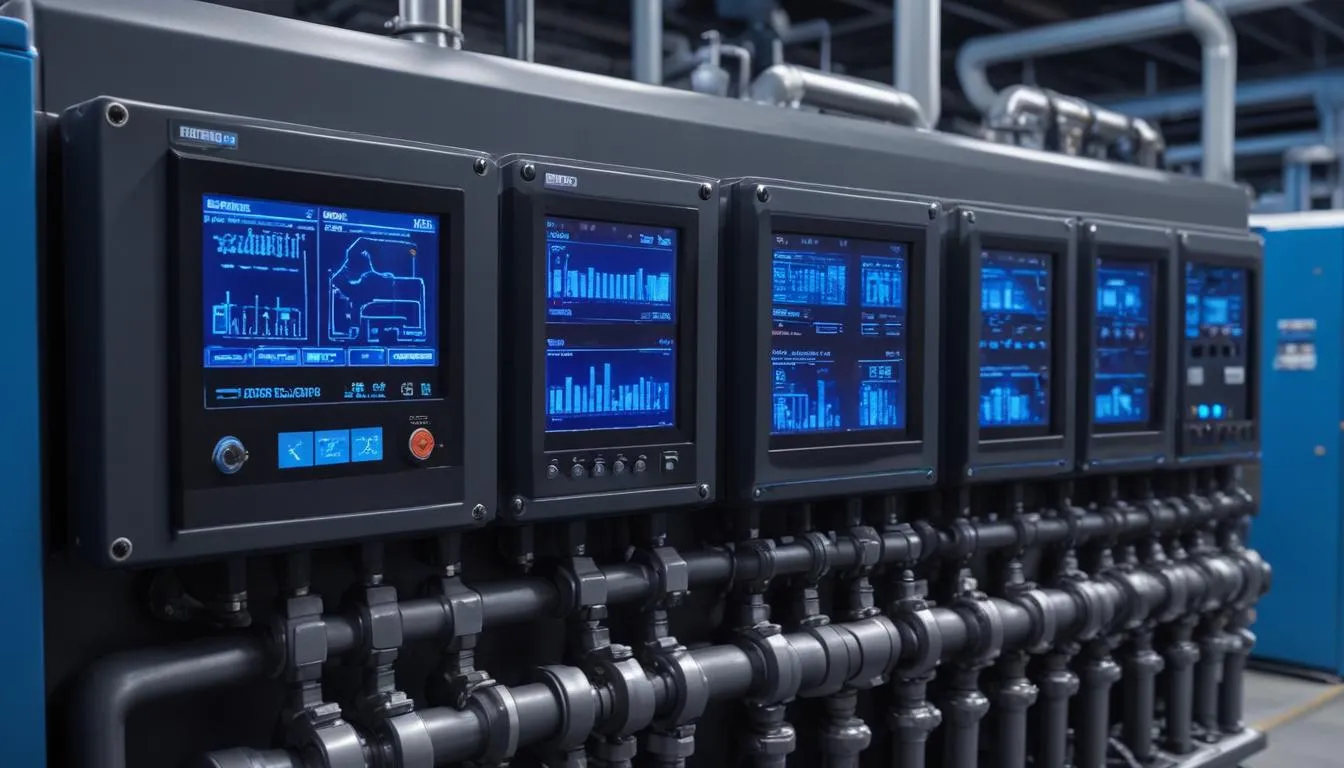
 Electronic pump control systems utilize advanced technology to regulate the operation of pumps, enhancing efficiency and performance. These systems employ electronic control units that monitor and adjust the pump’s functioning based on real-time data, ensuring optimal operation under various conditions.
A crucial aspect of electronic pump control is its ability to provide precise regulation of flow rates and pressures. By incorporating sensors and feedback mechanisms, these systems can make continuous adjustments, which leads to enhanced reliability and reduced wear on components. As a result, the lifespan of pumps can be significantly extended, minimizing downtime and maintenance costs.
- Energy Efficiency: Electronic pump control systems can reduce energy consumption by adjusting the pump speed to meet actual demand, thus lowering operational costs.
- Process Optimization: By providing precise control, these systems allow for better process management in various applications, such as water treatment and chemical processing.
- Improved Safety: With enhanced monitoring and control, potential hazards can be mitigated, ensuring safer operations in industrial environments.
Moreover, the integration of electronic control with automated systems enables remote monitoring and management, making it easier to manage multiple pumps simultaneously. This remote capability is particularly beneficial in large facilities, where manual monitoring would be impractical.
In summary, the shift towards electronic pump control systems signifies a move towards a more efficient and reliable approach to pump management, allowing industries to harness the full benefits of modern technology.
Components of Electronic Pump Control Systems
Electronic pump control systems comprise several key components that work together to provide effective regulation and efficient management of pump operations. These components are crucial for the system’s performance and reliability, ensuring that the pumps function optimally throughout their lifecycle.
- Control Unit: At the heart of an electronic pump control system is the control unit, which processes input data from sensors and issues commands to the pump. This unit is often programmable, allowing for customizable settings based on specific operational needs.
- Sensors: Various sensors are employed to monitor parameters such as flow rates, pressure, temperature, and liquid levels. These sensors provide real-time data to the control unit, enabling precise adjustments in pump operation. Common sensor types include pressure transducers, flow meters, and level sensors.
- Variable Frequency Drive (VFD): A VFD is an essential component that adjusts the speed of the pump motor based on the control unit’s commands. This capability allows for excellent speed modulation, leading to significant energy savings and reducing mechanical stress on the pump.
- Communication Interfaces: Modern electronic pump control systems often include communication interfaces that allow for integration with other monitoring and control systems. These interfaces enable remote access, data logging, and system diagnostics, enhancing operational visibility.
- Power Supply: A reliable power supply ensures that all components of the electronic pump control system function correctly. Power supplies can vary based on the system requirements, often incorporating features like surge protection and battery backups to maintain operations during power outages.
The effective integration of these components enhances the overall functionality of electronic pump systems. For example, a well-calibrated control unit combined with accurate sensors can lead to improved energy efficiency by ensuring the pumps only operate at the necessary capacity, thereby reducing wear and tear.
| Component | Function |
|---|---|
| Control Unit | Processes data and controls pump operation. |
| Sensors | Monitor key parameters for real-time adjustments. |
| Variable Frequency Drive | Adjusts pump motor speed to optimize performance. |
| Communication Interfaces | Facilitate integration with other systems and remote access. |
| Power Supply | Ensures consistent power to all components. |
In conclusion, understanding the various components that make up electronic pump control systems is essential for leveraging their benefits in real-world applications. By ensuring that each component functions correctly and is properly integrated, operators can achieve enhanced performance, reliability, and efficiency in their pumping operations.
Benefits of Advanced Control Techniques
Enhanced methods in electronic pump control systems offer numerous advantages that are revolutionizing the way pumps operate across various industries. Among the most significant benefits are the improvements in efficiency, reliability, and adaptability, which translate to substantial cost savings and performance upgrades.
- Energy Savings: Electronic control systems allow pumps to operate based on real-time demand rather than at a fixed speed. This capability significantly reduces energy consumption, leading to lower electricity costs. According to studies, facilities can achieve energy savings of up to 30% by utilizing these advanced control techniques.
- Improved Performance: The ability to modulate pump speeds and regulate flow rates accurately allows for optimal performance in diverse applications. For instance, in water treatment facilities, electronic controls can adjust operations based on varying water inflow and treatment requirements, ensuring that processes remain effective without overworking the equipment.
- Reduced Wear and Tear: With precise control of operational parameters, electronic pump systems minimize the mechanical strain on pumps. This translates to less frequent maintenance, longer lifespan for components, and ultimately reduced replacement costs.
- Real-Time Monitoring: Advanced electronic control systems provide continuous monitoring of pump operations and health. Operators can access performance metrics instantly, leading to timely interventions before minor issues escalate into major problems. This proactive approach enhances reliability and ensures uninterrupted service.
- Flexibility and Customization: Tailoring control settings to specific applications is a significant advantage of modern electronic pump systems. With programmable control units, operators can adjust parameters to meet varying operational requirements, thus enhancing adaptability across different operational scenarios.
The integration of electronic control systems also supports sustainability efforts by optimizing resource utilization. By ensuring that pumps operate only when necessary and at the required capacity, facilities can significantly reduce their environmental footprint and contribute to broader energy-efficiency goals.
In addition, the capability to connect to smart grids and IoT platforms allows for enhanced operational transparency and the potential for predictive maintenance. By using data analytics and machine learning algorithms, facilities can anticipate equipment failures and schedule maintenance activities at convenient times, further streamlining operations.
Overall, the adoption of advanced control techniques in pump systems not only delivers immediate operational benefits but also aligns with long-term strategic goals aimed at efficiency, sustainability, and cost reduction.
Implementation Strategies for Electronic Pump Controls
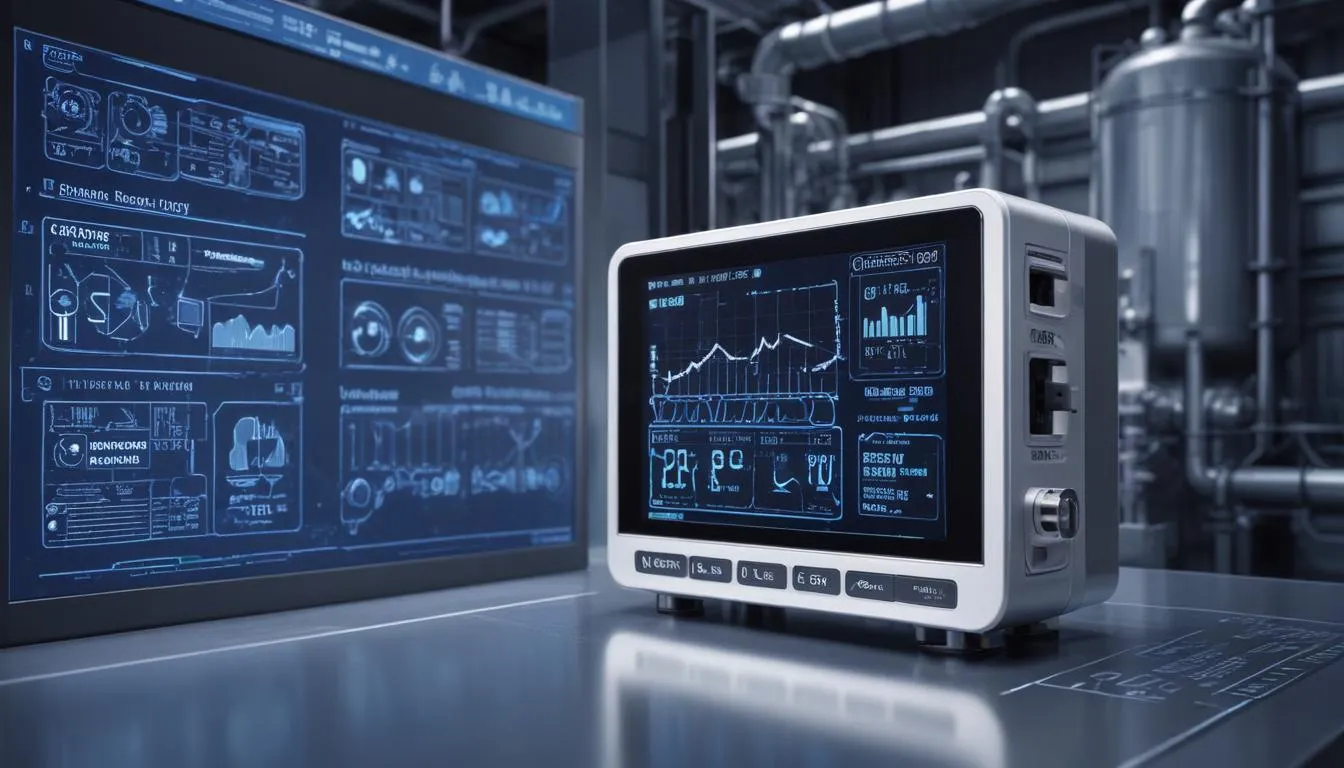 Implementing electronic pump controls requires a systematic approach to ensure maximum efficiency and performance. Several strategies can be employed to effectively integrate these systems into existing operations.
- Assessment and Planning: Before installation, a comprehensive evaluation of current pumping operations is essential. This includes understanding the system requirements, identifying challenges, and determining the necessary specifications for the electronic control system. Creating a detailed implementation plan that outlines timelines, budgets, and responsibilities will facilitate a smooth transition.
- Selection of Appropriate Technology: Choosing the right components is crucial for achieving optimal performance. Factors such as the type of pump, operational requirements, and compatibility with existing infrastructure should guide the selection process. For instance, choosing a variable frequency drive (VFD) that aligns with the specific pump type can significantly enhance energy efficiency.
- Training and Skill Development: The successful implementation of electronic pump controls hinges on having skilled personnel. Providing training for operators and maintenance staff on the new system’s functionalities will ensure they can troubleshoot potential issues and maximize system capabilities effectively.
- Installation and Integration: The installation process should be carried out by qualified professionals to guarantee adherence to safety and operational standards. Integration with existing systems must be seamless to ensure accurate data flow. Utilizing programmable control units will allow operators to set specific parameters tailored to their applications.
- Testing and Calibration: Once installed, rigorous testing is critical to confirm that the electronic controls function as intended. Calibration of sensors and the control unit will ensure measurements are accurate, enabling precise adjustments to pump operations based on real-time conditions.
- Monitoring and Optimization: After implementation, continuous monitoring using real-time data analytics is vital. Tracking performance metrics will allow operators to identify areas for further optimization. Adjusting control parameters based on collected data ensures ongoing efficiency and responsiveness to changing operational demands.
| Implementation Strategy | Description |
|---|---|
| Assessment and Planning | Evaluate current operations and create a detailed implementation plan. |
| Selection of Appropriate Technology | Choose components that best fit operational requirements and existing systems. |
| Training and Skill Development | Provide staff training on new systems for effective management and troubleshooting. |
| Installation and Integration | Carry out professional installation and ensure integration with current systems. |
| Testing and Calibration | Test and calibrate to confirm accuracy of sensors and controls. |
| Monitoring and Optimization | Use real-time data to track performance and make necessary adjustments. |
The implementation of electronic pump control systems not only enhances operational performance but also allows facilities to leverage the numerous benefits that come with advanced technology. By successfully deploying these strategies, operators can achieve sustainability goals while optimizing their pumping operations.
Future Trends in Electronic Pump Technology
As the demand for efficient and sustainable pumping solutions grows, the future of electronic pump technology is poised for significant advancements. One prominent trend is the increasing integration of Internet of Things (IoT) capabilities within electronic pump control systems. By connecting pumps to the IoT, operators can access real-time data remotely, enabling them to monitor performance metrics, streamline operations, and proactively address maintenance issues. This connectivity not only enhances operational efficiency but also enables predictive analytics, helping to minimize unforeseen breakdowns and optimize uptime.
Another anticipated development is the implementation of artificial intelligence (AI) and machine learning algorithms in pump operation and monitoring. These advanced control techniques can analyze historical and real-time data to make intelligent decisions on pump operations, such as optimizing energy use based on varying demand patterns. By employing AI, facilities can achieve higher levels of automation, reducing the need for manual intervention and increasing the overall reliability of pumps in diverse applications.
Technological advancements in power supply systems are also on the horizon. Energy harvesting techniques, which capture energy from environmental sources such as vibrations and temperature differences, can be integrated into electronic pumps. This innovation would reduce dependency on traditional power sources and promote sustainability by enhancing energy self-sufficiency.
Moreover, improvements in the materials used for pump components—driven by ongoing research and development—are expected to enhance durability and efficiency. New composite materials and coatings can minimize wear and corrosion, extending the lifespan of pumps and reducing maintenance requirements.
The concept of “smart pumping” systems is gaining traction, where pumps are equipped with advanced monitoring tools and control systems that allow for automatic adjustments based on real-time feedback. This not only improves energy efficiency but also aligns operational practices with environmental standards, further enhancing the benefits of electronic control in industrial settings.
The rise of cloud computing will also influence the future of electronic pump control systems. By leveraging cloud-based platforms, operators will be able to aggregate data from multiple locations, facilitating centralized monitoring and improved decision-making. The ability to share insights and best practices across different facilities could enhance overall operational performance in the sector.
In summary, the future of electronic pump technology appears to be heading towards a more interconnected, efficient, and intelligent landscape, where the continual evolution of systems and integration of smart technologies will provide substantial benefits to industries reliant on pumping solutions. The ongoing innovations promise to not only improve operational efficiency but also contribute significantly to resource conservation and environmental sustainability.