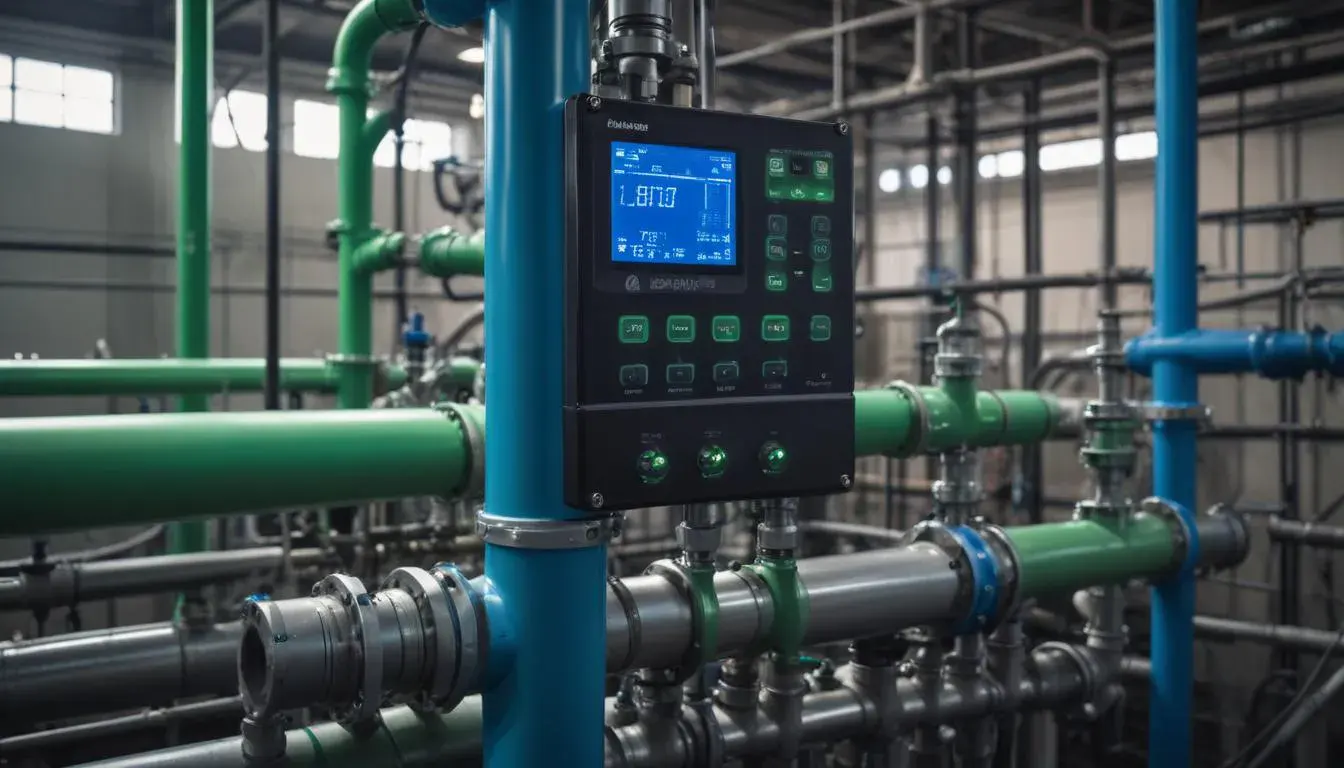
 Process control is a critical aspect of managing the efficiency and reliability of pumping systems. Understanding the fundamentals of process control allows operators to maintain optimal performance and prevent potential failures. At its core, process control involves the monitoring and adjustment of system variables to ensure desired outcomes. This is achieved through a combination of sensors, controllers, and actuators that work in unison to maintain set parameters.
Key concepts in process control include feedback loops, where the system continuously monitors outputs and adjusts inputs to meet desired conditions. This can be illustrated as follows:
- Open-loop control: This technique functions without feedback. The output is not measured or adjusted based on performance.
- Closed-loop control: Here, feedback is utilized. The system measures the output and makes necessary adjustments based on predefined criteria.
Understanding these concepts is crucial for operators aiming to optimize the functionality of pumping systems. The implementation of control techniques, such as PID (Proportional-Integral-Derivative) controllers, enhances the accuracy and reliability of the control process. PID controllers analyze the error between the desired setpoint and the measured process variable, adjusting the system output accordingly to minimize this error.
Furthermore, the interaction between process variables, such as flow rate, pressure, and temperature, plays a significant role in the overall efficiency of pumping systems. Operators must monitor these variables closely to ensure that the processes remain stable and efficient.
The integration of advanced technologies, such as automated control systems and predictive maintenance strategies, can significantly improve process control in pumping systems. These technologies provide real-time data analytics, enabling quicker responses to variations and reducing the likelihood of system inefficiencies.
As systems become increasingly complex, the need for a strong foundation in process control fundamentals becomes even more essential for maintaining high-performance standards in pumping operations.
Key components of pumping systems
Pumping systems consist of various key components that work together to achieve efficient operation. Understanding these components is essential for optimizing performance and ensuring reliable function. Below is a detailed overview of the vital parts of pumping systems.
- Pumps: The heart of the system, pumps are responsible for moving fluids through the system. They can be categorized into different types, including centrifugal, positive displacement, and diaphragm pumps. Each type has unique characteristics that make them suitable for specific applications.
- Motors: Motors drive the pumps and are crucial for converting electrical energy into mechanical energy. The selection of the right motor, considering factors such as horsepower, efficiency, and operational requirements, significantly impacts the overall performance of the pumping system.
- Controllers: Controllers manage the operation of the pumps by regulating their speed and output. Advanced controllers may employ techniques like variable frequency drives (VFDs) to fine-tune the pump operation based on real-time conditions, improving energy efficiency and providing better process control.
- Valves: Valves regulate the flow of fluids within the system, controlling pressure and directing the flow to various components as needed. They play a critical role in maintaining the desired operating conditions and protecting the system from potential failures.
- Piping: This backbone of the system transports fluids from one component to another. Properly designed piping systems minimize losses due to friction and turbulence, thus enhancing the overall efficiency of pumping systems.
- Sensors: Sensors are pivotal in monitoring process variables, including pressure, flow rate, and temperature. Equipped with real-time data collection capabilities, they provide valuable feedback that is used to adjust operations and improve overall performance.
- Instrumentation: This includes devices that provide data associated with the pump’s operational status, allowing operators to gauge and control the system effectively. Well-placed instrumentation can facilitate predictive maintenance and enhance system reliability.
In addition to these components, it is essential to consider the system’s layout and design. An efficient layout will not only optimize space but also reduce operational costs and maintenance requirements. The integration of cutting-edge technology, such as IoT (Internet of Things) solutions, can further enhance the functionality of these components by enabling remote monitoring and control.
Maintaining proper alignment, calibration, and regular maintenance of all components is vital for long-term reliability and efficiency of pumping systems. By focusing on the integrity of the key components and employing robust process control techniques, operators can significantly improve the performance of their pumping systems, leading to reduced downtime and enhanced productivity.
Control strategies for optimal performance
Control strategies in pumping systems are essential for maximizing efficiency and achieving optimal performance. To effectively manage these systems, operators implement various control techniques that adapt to changing conditions and ensure that operational objectives are met. Below are key strategies employed in the control of pumping systems:
- Feedback Control: Utilizing feedback loops, this strategy continuously monitors output variables and adjusts inputs to maintain desired performance levels. Closed-loop systems are particularly effective in adapting to fluctuations in process variables.
- PID Control: The Proportional-Integral-Derivative (PID) controller remains a widely-used technique in pumping systems. It calculates the error between a desired setpoint and the actual process variable, applying corrective actions to minimize any discrepancies. This nuanced control promotes stability and enhances system responsiveness.
- Feedforward Control: This anticipatory control strategy acts in advance of disturbances, utilizing known system inputs to predict changes and adjust outputs accordingly. Feedforward control can improve performance significantly when predictable disturbances are present.
- Advanced Control Techniques: Techniques such as Model Predictive Control (MPC) and Fuzzy Logic Control allow for more sophisticated handling of dynamic pumping systems. These methods leverage complex algorithms to forecast future system behavior and optimize control actions over multiple variables.
- Variable Frequency Drives (VFD): VFDs are a crucial component in modern pumping systems that adjust motor speed based on real-time demand. This variable control not only enhances efficiency but also reduces energy consumption, contributing to lower operational costs.
- Segmentation Control: By dividing the system into manageable segments and controlling them independently, operators can achieve improved efficiency and extend the lifespan of equipment. This modular approach allows for tailored control strategies that address specific operational needs.
In conjunction with these strategies, employing real-time monitoring systems and data analytics plays a pivotal role in enhancing process control. Sensors integrated with the pumping system continuously gather data on key variables, enabling operators to make informed decisions swiftly. Effective data visualization tools can transform complex datasets into actionable insights, allowing for immediate corrective actions as necessary.
Training personnel on these control strategies is crucial, as the effectiveness of any technique relies on the human factor. Operators must not only understand the technological components but also have the expertise to interpret data and respond appropriately. Regular training programs ensure that staff remains updated on the latest techniques and tools, contributing to continuous improvement within the pumping systems.
The integration of automation and artificial intelligence in control strategies further enhances performance by allowing for adaptive learning and optimization. Automated systems can detect patterns, adjust settings dynamically, and predict maintenance needs, which collectively lead to increased reliability and efficiency in pumping operations.
Ultimately, the implementation of these advanced control strategies enables operators to achieve optimal performance in pumping systems, ensuring that they operate smoothly and efficiently while maximizing their overall productivity and cost-effectiveness.
Troubleshooting common issues in pumping systems
 Troubleshooting in pumping systems is essential to ensure that operations run smoothly and efficiently. Recognizing common issues and identifying their causes allows operators to take actionable steps to remedy the situation, preventing costly downtime and maintaining productivity. Below are some typical problems encountered in pumping systems and effective troubleshooting techniques to address them.
- Low Flow Rate: A frequent issue, low flow rates can be caused by pump wear, blockages, or incorrect pump sizing. To troubleshoot:
- Inspect filters and strainers for debris that may be obstructing flow.
- Check pump performance curves and confirm that the pump is properly sized for the application.
- Examine suction lines for leaks or restrictions that may hinder fluid intake.
- High Energy Consumption: Increased energy usage can indicate inefficiencies in the system, often stemming from control issues or operational misconfigurations. To address this:
- Evaluate the settings on controllers and consider updating to more energy-efficient variable frequency drives (VFDs).
- Monitor for signs of cavitation, which can decrease pump efficiency and increase energy use.
- Ensure that piping is appropriately sized and designed to reduce friction losses during operation.
- Vibration and Noise: Excessive vibration and noise from pumps can indicate misalignment, cavitation, or bearing wear. Troubleshooting steps include:
- Check for proper alignment of the pump and motor to prevent undue stress on components.
- Inspect bearings and ensure they are lubricated and properly maintained.
- Identify any operational conditions contributing to cavitation, such as high lift conditions or vapor pockets.
- Leaks: Fluid leaks can arise from various sources, including shaft seals, fittings, and gaskets. Effective troubleshooting involves:
- Examine all connections for tightness and proper sealing.
- Inspect wear rings and shaft seals for signs of deterioration and replace them if necessary.
- Monitor system pressure to ensure it is within acceptable ranges to prevent leaks from excessive stress.
- Temperature Fluctuations: Irregular temperature readings can indicate insufficient cooling or overheating of components. To troubleshoot:
- Verify that cooling systems, if applicable, are functioning correctly.
- Inspect the temperature sensors for accurate readings and calibrate them if needed.
- Assess the load on the pump and adjust settings as needed for proper operating temperatures.
Regular maintenance schedules are extremely beneficial in preventing the occurrence of these issues. Moreover, the use of predictive maintenance techniques can help foresee potential failures before they occur, reducing unplanned downtime and associated costs. Implementing a comprehensive monitoring strategy that utilizes sensors to collect data on key performance indicators allows operators to continuously assess the health of their pumping systems and identify areas for improvement.
Training staff on troubleshooting methodologies and ensuring that they are familiar with common problems can lead to quicker resolutions and enhanced operational efficiency. Utilizing a systematic approach to diagnosing issues along with the right tools and techniques will empower operators to maintain high-performance standards effectively in their pumping systems.
Future trends in process control technology
The landscape of process control technology in pumping systems is evolving rapidly, driven by advancements in digitalization, automation, and data analytics. As industries strive for greater efficiency and sustainability, new trends are emerging that shape the future of how pumping systems are controlled and managed. Below are some significant trends that are expected to impact process control in pumping systems.
- IoT Integration: The Internet of Things (IoT) is revolutionizing process control by enabling the interconnectivity of devices within pumping systems. Sensors deployed throughout the system can provide real-time data, which is transmitted to centralized control systems. This connectivity allows for enhanced monitoring, predictive maintenance, and improved decision-making based on comprehensive data analytics.
- Artificial Intelligence (AI) and Machine Learning: The incorporation of AI and machine learning algorithms into process control frameworks offers unprecedented control capabilities. These technologies analyze historical and real-time data to identify patterns and predict future performance, enabling proactive adjustments and reducing the likelihood of system failures.
- Digital Twins: The creation of digital twins—virtual replicas of physical pumping systems—allows operators to simulate various scenarios and predict the outcomes of system modifications without impacting the actual operations. This technology can significantly enhance the ability to test control strategies and optimize performance before implementation.
- Advanced Control Techniques: With the complexity of modern pumping systems, advanced control techniques have become essential. Techniques such as Model Predictive Control (MPC) offer dynamic optimization by considering multiple variables and potential future scenarios, thus improving the overall efficiency and responsiveness of pumping systems.
- Sustainability and Energy Efficiency: As industries face increasing pressure to reduce their environmental impact, there is a significant trend towards energy-efficient technologies in pumping systems. The use of variable frequency drives (VFDs) and integrated energy management systems enables operators to optimize energy consumption and reduce waste, aligning with broader sustainability goals.
- Remote Monitoring and Control: The ability to monitor and control pumping systems remotely is becoming a standard requirement. This capability allows operators to respond swiftly to developing situations, minimizing downtime, and optimizing operations from virtually anywhere, thanks to advancements in mobile and cloud technologies.
Moreover, the emphasis on training and a skilled workforce is a persistent trend. As technologies evolve, operators must be equipped with the latest knowledge and techniques to harness these innovations effectively. Continuous education and hands-on training ensure that personnel can efficiently utilize advanced process control technologies to achieve optimal performance in pumping systems.
In summary, the future of process control technology in pumping systems is marked by innovation and increasing sophistication. By embracing these trends, operators can enhance their systems’ reliability, efficiency, and sustainability, ultimately transforming how pumping systems are managed in various industrial applications.