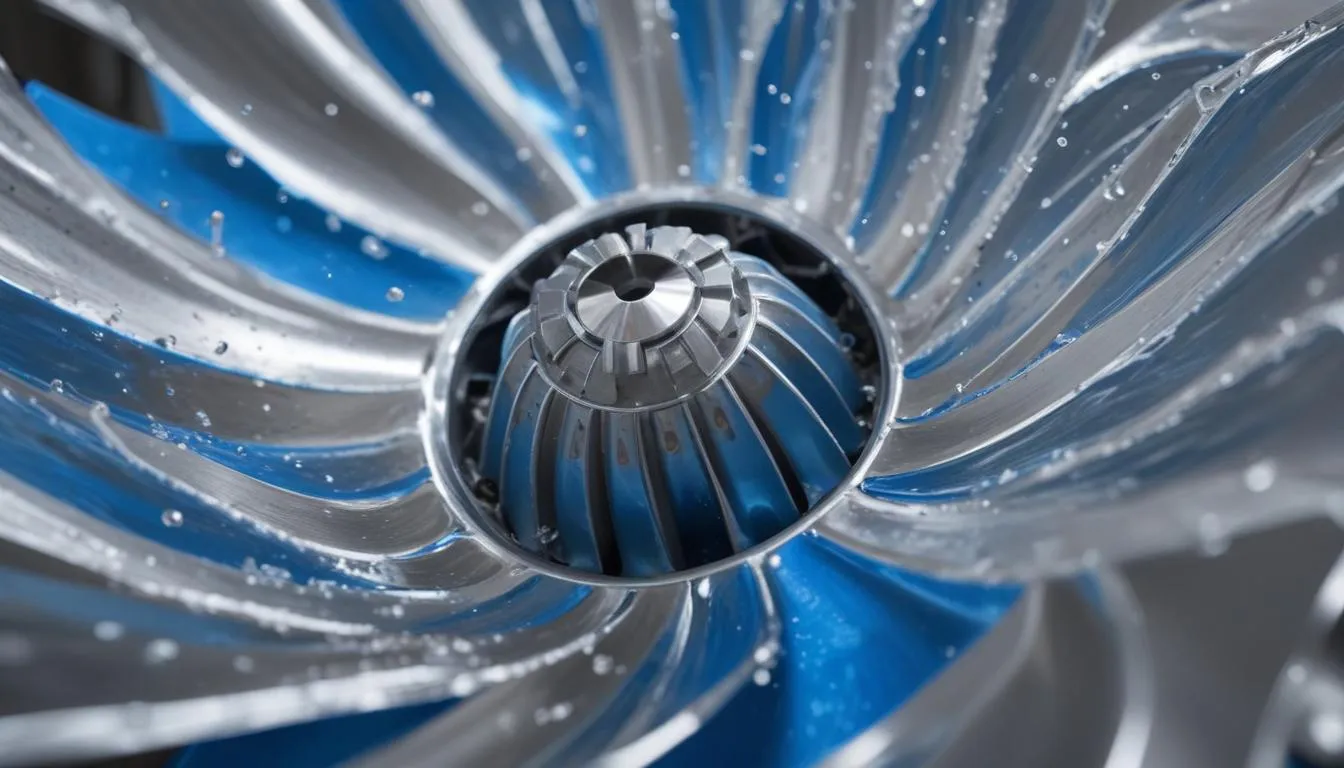
 Centrifugal pumps are vital components in many fluid handling systems, leveraging the principles of rotational energy to move liquids efficiently. The basic principles of centrifugal pump operation are centered around the conversion of mechanical energy into hydraulic energy. This is achieved through a rotating impeller that creates a difference in pressure, thereby drawing fluid into the pump and forcing it out through the discharge.
The operation begins when the impeller, which is mounted on a rotating shaft, spins rapidly. The blades of the impeller move the liquid outward from the center toward the discharge point, converting the kinetic energy generated into pressure energy as the fluid exits the pump. This process is crucial in various applications, from simple water transfer to complex industrial operations.
Understanding the dynamics of centrifugal pump operation requires familiarity with several key elements:
- Inlet Flow: The design must ensure an adequate inlet flow to maintain proper operation; insufficient inlet flow can lead to cavitation.
- Head: The head generated by the pump is a function of the impeller’s design and the speed at which it operates, influencing the height to which the liquid can be effectively pumped.
- Flow Rate: The flow rate is determined by the pump characteristics and system requirements, ensuring the pump operates within its best efficiency point (BEP).
Centrifugal pumps are also designed to operate within specific parameters. To maximize efficiency and minimize issues, it is critical to understand the overview of how various factors such as viscosity, temperature, and density of the fluid being pumped affect overall performance.
Comparing different types of centrifugal pumps can provide insight into their specific operational characteristics. Here are some common types:
- Single-Stage Pumps: Ideal for applications requiring moderate flow rates, they are easier to maintain.
- Multi-Stage Pumps: Rely on multiple impellers to achieve higher pressures, suitable for high-elevation applications.
- Submersible Pumps: Designed to operate underwater, used for borehole and sewage applications.
In essence, a solid grasp of the fundamental principles of centrifugal pump operation enables operators to optimize performance and troubleshoot potential issues effectively. Understanding how each component interacts within the system is essential for ensuring a reliable and efficient operation.
Components of a centrifugal pump
Centrifugal pumps comprise various components that work together to achieve efficient fluid movement. Each part has a specific role in the overall functioning of the pump, and understanding these components is essential for anyone involved in centrifugal pump operation.
1. Impeller: This is the heart of the centrifugal pump. It consists of blades that rotate and impart kinetic energy to the fluid. The design and size of the impeller determine the pump’s ability to generate flow and pressure. Impellers come in various shapes, including open, semi-closed, and closed designs, each suited to different applications.
2. Volute: A volute is a spiral casing that surrounds the impeller, designed to convert the kinetic energy of the fluid into pressure energy. The shape of the volute aids in collecting the fluid from the impeller and directing it toward the discharge outlet.
3. Shaft: The shaft connects the impeller to the motor, transmitting rotational energy. It must be robust enough to withstand the forces exerted during operation and is often supported by bearings to reduce friction and wear.
4. Bearings: These components support the shaft and allow it to rotate smoothly. They are essential for minimizing friction and wear, thus prolonging the life of the pump. Proper lubrication of bearings is crucial for optimal performance.
5. Mechanical Seal: This component prevents fluid leakage between the rotating shaft and the stationary casing. Mechanical seals are critical for maintaining pump efficiency and protecting against environmental contamination.
6. Suction and Discharge Ports: These ports are entry and exit points for the fluid. The design and location of these ports significantly impact the pump’s operation, influencing factors such as flow rate and pressure.
7. Pump Casing: The casing encases all the internal components, providing structural integrity while containing the fluid being pumped. It is typically made from materials resistant to corrosion and abrasion, ensuring longevity.
8. Wear Rings: Located between the impeller and the casing, wear rings protect the pump from damage due to erosion caused by the fluid flow. They are designed to be replaceable to minimize maintenance costs.
Understanding the interaction of these components is vital for achieving optimal centrifugal pump operation. Regular inspection and knowledge of how each part functions contribute significantly to effective troubleshooting and maintenance practices.
In summary, being well-versed in the components of centrifugal pumps not only aids in efficient operation but also enhances the overall lifespan and reliability of the system. Familiarity with these elements can make a significant difference in achieving the best performance in various applications, from water supply systems to complex industrial processes.
Operating procedures for optimal performance
To achieve optimal performance from a centrifugal pump, it is essential to adhere to established operating procedures that take into account various factors influencing pump efficiency. Operators should employ a systematic approach covering installation, operation, monitoring, and adjustment of parameters throughout the pump’s service life.
1. Proper Installation: The first step in ensuring efficient centrifugal pump operation is accurate installation. Ensure the pump is mounted on a stable base to minimize vibration. The suction line must be properly sized and have minimal bends to reduce resistance, while the discharge line should be adequately supported to prevent undue stress on the pump. During installation, verify the pump orientation according to manufacturer specifications for fluid flow to avoid complications.
2. Priming the Pump: Before starting, it is crucial to ensure the pump is primed. Filling the pump and suction line with fluid removes air, which can create cavitation and operational problems. The presence of air can severely impact the efficiency of centrifugal pump operation leading to damage if not addressed.
3. Monitoring Operating Conditions: Continuous monitoring of operating conditions such as flow rate, pressure, and temperature is vital. Utilize gauges and meters to observe these parameters. Operating within the best efficiency point (BEP) not only enhances performance but also extends the pump’s lifespan. An overview of optimal range parameters should be established and adhered to.
4. Adjusting System Variables: Variables such as fluid viscosity can affect performance significantly. It’s important to adjust the pump settings according to the fluid characteristics being handled. Use variable frequency drives (VFDs) to modify motor speed, maintaining an efficient flow rate while also compensating for changes in fluid properties.
5. Regular Operation Checks: Routine checks on the pump operation are necessary to identify any abnormalities. Listen for unusual noises, observe for vibrations, and check for leaks around seals and joints. These indicators often signify underlying issues that may require immediate attention.
6. Documentation and Performance Analysis: Keeping detailed records of the pump’s operational data assists in analyzing performance trends over time. This documentation is invaluable for troubleshooting and helps in making data-driven adjustments to enhance efficiency.
7. System Integration: Ensure that the centrifugal pump operates cohesively within the entire system. This includes checking that valves, fittings, and related equipment are compatible and functioning correctly. System integration is key to achieving a holistic approach toward efficient operation.
Use checklists during operational procedures to ensure comprehensive compliance with the best practices in centrifugal pump operation. Below is a suggested checklist:
| Check Item | Status |
|---|---|
| Stable pump mount | ✔️ / ❌ |
| Proper priming achieved | ✔️ / ❌ |
| Operating parameters within BEP | ✔️ / ❌ |
| Regular maintenance performed | ✔️ / ❌ |
| Performance records updated | ✔️ / ❌ |
Following these guidelines ensures not only that the pump operates efficiently but also that it remains in good working condition, minimizing downtime and maintenance costs. By actively managing these aspects, users can enhance the durability and productivity of centrifugal pump operations, contributing to overall system effectiveness.
Common issues and troubleshooting techniques
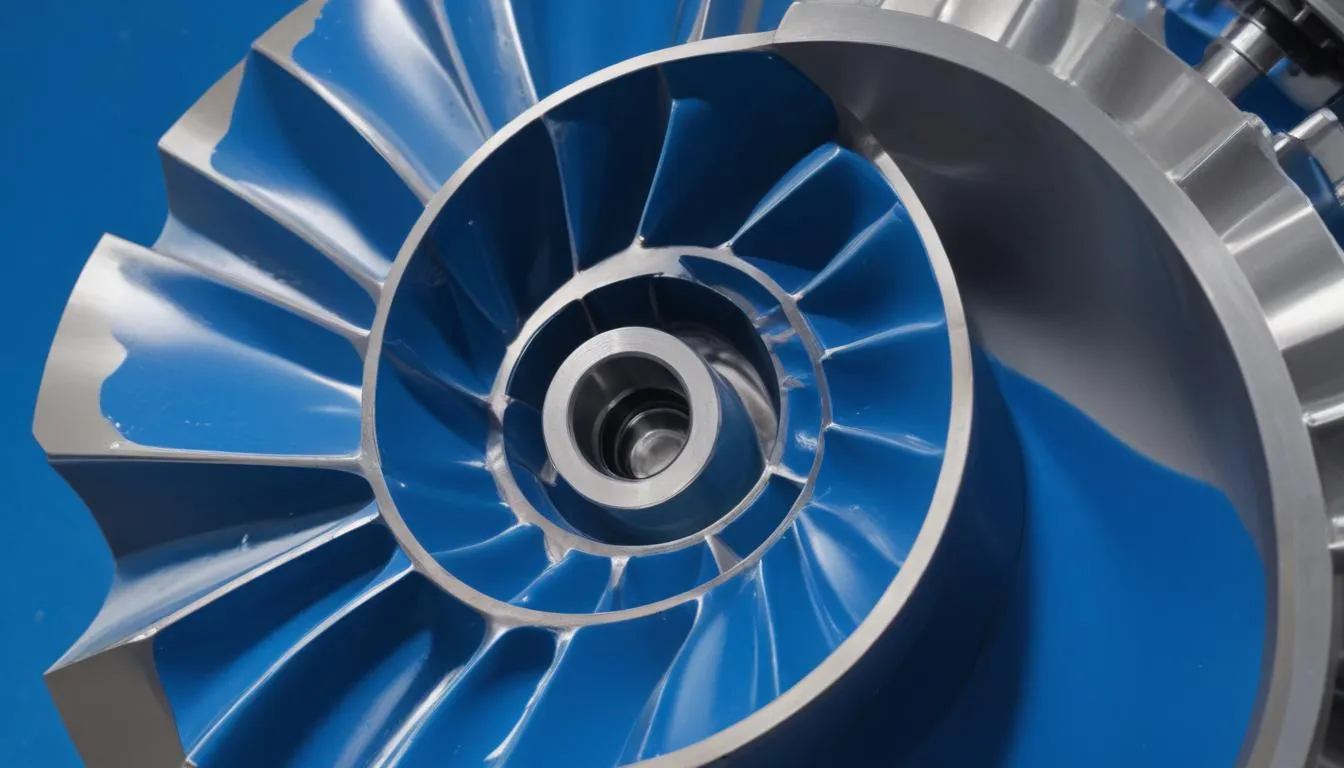 Centrifugal pumps can encounter various issues during operation, which may affect their performance and reliability. Understanding these common problems, as well as the appropriate troubleshooting techniques, is essential for maintaining effective centrifugal pump operation. Below are some of the most frequently experienced issues along with possible solutions.
1. Cavitation: This occurs when vapor bubbles form in the liquid being pumped, resulting from low pressure at the impeller inlet. Cavitation can cause severe damage to the impeller and reduce pump efficiency. To address cavitation, consider the following solutions:
– Ensure the pump is properly primed before operation.
– Check the suction conditions to make sure they meet the manufacturer’s specifications.
– Increase the pump’s inlet pressure by modifying the inlet piping or installing a larger suction line.
2. Vibration: Excessive vibration can indicate misalignment, imbalance, or wear in the bearings. Vibration not only affects pump performance but also leads to premature failures. To troubleshoot vibration issues, follow these steps:
– Inspect the alignment of the motor and pump shafts using laser alignment tools.
– Check for debris or build-up on impeller blades and clean if necessary.
– Replace worn bearings and ensure they are properly lubricated.
3. Overheating: Pumps may overheat due to inadequate cooling or friction caused by low flow conditions. Overheating can lead to mechanical seal failure or thermal breakdown of the fluid being pumped. To mitigate overheating, take the following actions:
– Verify that the pump operates within its specified flow range, adjusting operating conditions if necessary.
– Ensure that there is adequate ventilation around the pump and motor.
– Monitor the fluid temperature; if it exceeds recommended levels, reduce the pump speed or increase the flow rate.
4. Seal Leaks: Leaks at the mechanical seal can result from wear over time, improper installation, or misalignment. These leaks can lead to fluid loss and environmental hazards. Solutions for this issue include:
– Regularly inspecting mechanical seals for wear and replacing them as needed.
– Checking installation alignment and correcting any misalignments.
– Monitor the temperature and pressure within the sealing area to prevent excessive wear.
5. Reduced Flow Rate: A decrease in the flow rate can result from clogged filters, blocked suction lines, or worn impellers. To enhance flow rates, consider the following:
– Inspect and clean filters and strainers regularly to ensure unobstructed flow.
– Check suction piping for obstructions and ensure there are no kinks or sharp bends.
– Examine the impeller for wear and replace if necessary.
To maintain efficient centrifugal pump operation, it’s crucial to use a systematic troubleshooting approach. Creating a troubleshooting checklist can help identify and resolve these issues effectively. Below is a sample checklist to aid in troubleshooting:
| Issue | Potential Solution | Status |
|---|---|---|
| Cavitation | Check suction conditions | ✔️ / ❌ |
| Vibration | Inspect alignment and balance | ✔️ / ❌ |
| Overheating | Reduce pump speed | ✔️ / ❌ |
| Seal Leaks | Inspect and replace mechanical seals | ✔️ / ❌ |
| Reduced Flow Rate | Check for clogs and obstructions | ✔️ / ❌ |
Regular maintenance and awareness of these common issues can significantly enhance the longevity and efficiency of centrifugal pumps, ensuring they operate according to the basics of their design and function efficiently within any system.
Maintenance tips for longevity and efficiency
To ensure the longevity and efficiency of centrifugal pumps, it is essential to implement regular maintenance practices tailored to the unique needs of the pump system. Performing preventive maintenance not only minimizes unexpected breakdowns but also optimizes overall performance. Below are key maintenance tips that can significantly enhance the reliability and service life of centrifugal pumps.
1. Regular Inspections: Conduct periodic inspections to identify any early signs of wear and tear. Key components to focus on during inspections include:
- Mechanical Seals: Check for leaks or signs of wear that may require replacement.
- Bearing Condition: Inspect bearings for noise and smooth operation; lubricate them as necessary.
- Impeller Condition: Look for signs of erosion or damage to the impeller blades, and replace them if wear is excessive.
2. Cleaning Practices: Keeping the pump and its components clean is crucial for optimal performance. Accumulation of debris or deposits can impede flow and increase wear. Implement a routine cleaning schedule for the following:
- Filters and Strainers: These components should be cleaned or replaced regularly to prevent clogging.
- Casings: Ensure that the pump casing remains free of grime and build-up, which can affect heat dissipation.
- Suction Lines: Inspect and clean suction lines to avoid obstructions that might disrupt flow and pressure.
3. Monitoring Performance: Establish a system for tracking key performance indicators such as flow rate, pressure, and temperature. Install appropriate monitoring tools to ensure:
- Operational Efficiency: Regular data collection helps understand performance trends, allowing for timely adjustments.
- Identification of Anomalies: A sudden change in any recorded metric could indicate an underlying issue that needs immediate attention.
4. Control Operating Conditions: To maintain efficiency, it is imperative to monitor and control the operational conditions under which the pump runs:
- Flow Rates: Ensure the pump operates at or near its best efficiency point (BEP) to prevent overloading or overheating.
- Fluid Characteristics: Be aware of any changes in fluid properties, such as viscosity and temperature, that may affect pump performance.
5. Vibration Analysis: Record and analyze vibration patterns regularly. Unusual vibration levels can indicate misalignment or bearing issues. Employ vibration monitoring technology to:
- Detect Early Issues: Early detection of vibration problems can prevent catastrophic failures.
- Plan Maintenance: Use vibration data to schedule maintenance during non-peak hours, thus minimizing downtime.
6. Scheduled Maintenance: Establish a comprehensive maintenance schedule that includes:
- Routine Checks: Confirm that all components are in good working condition at regular intervals.
- Seasonal Maintenance: Perform more extensive checks and replacements, especially before heavy-use seasons, to preempt failures.
Configuring a maintenance log is also beneficial for keeping track of inspections, cleaning schedules, and any maintenance actions taken. This documentation can serve as a valuable resource for identifying patterns and anticipating future needs.
| Maintenance Task | Frequency | Status |
|---|---|---|
| Inspect seals for wear | Monthly | ✔️ / ❌ |
| Clean filters and strainers | Every 3 months | ✔️ / ❌ |
| Monitor performance indicators | Weekly | ✔️ / ❌ |
| Vibration analysis | Quarterly | ✔️ / ❌ |
| Comprehensive maintenance review | Bi-Annually | ✔️ / ❌ |
By following these maintenance tips, operators can ensure that centrifugal pump operation remains efficient and reliable, significantly extending the service life of the pump.