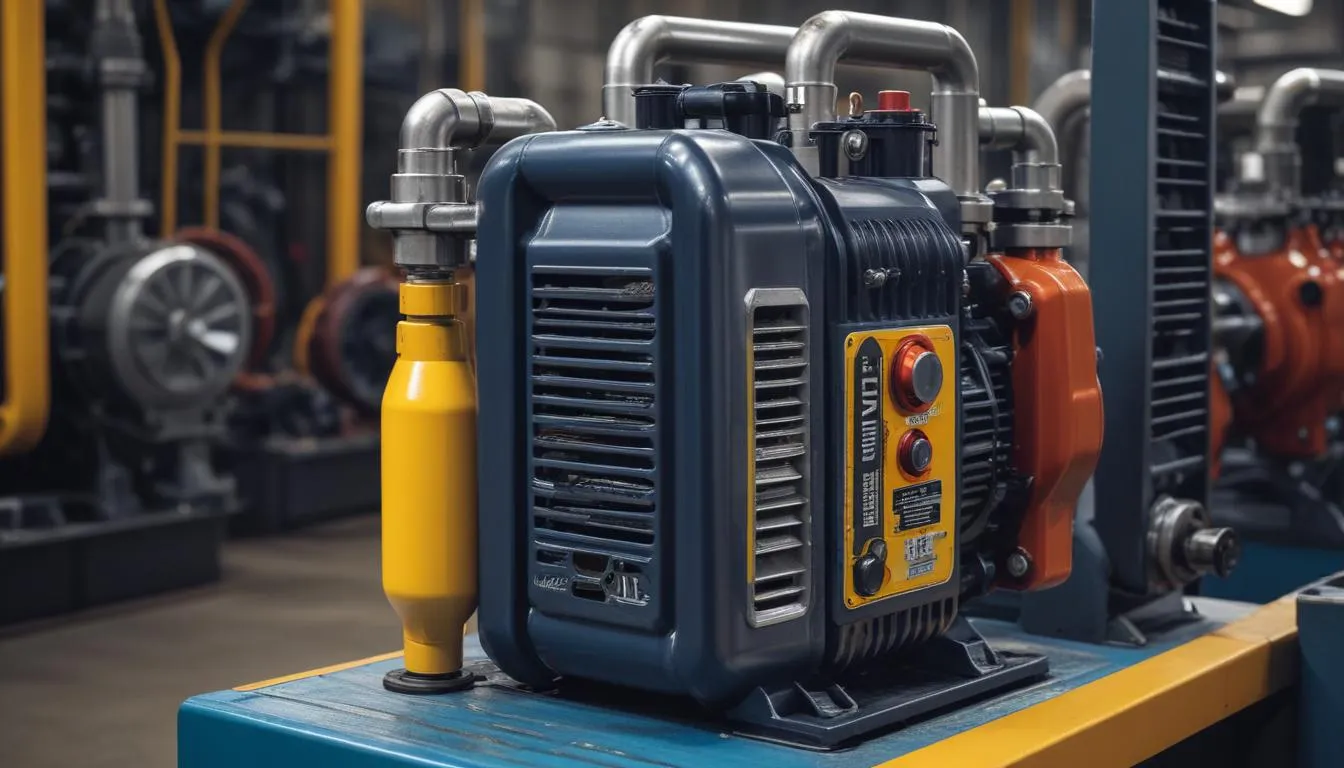
 Pneumatic pumps are devices that utilize compressed air or gas to create a vacuum and move fluids. These pumps operate on a simple yet effective principle: they convert the energy of compressed air into mechanical energy, allowing for fluid movement. Pneumatic pumps are extensively used in various industries due to their versatility, reliability, and ability to handle a wide range of fluids, including water, oil, and chemicals.
The primary components of pneumatic pumps include:
- Compressor: Supplies the compressed air needed for operation.
- Pump Body: Houses the internal mechanisms and allows for fluid transfer.
- Switching Mechanism: Changes the direction of air flow, enabling the pumping cycle.
- Air Filters: Ensure that the air used is clean and free from contaminants.
Pneumatic pumps can be categorized into two main types:
- Diaphragm Pumps: Utilize a flexible diaphragm to create a suction effect, effectively moving the fluid.
- Rotary Air Pumps: Employ rotating components to move air or fluids through the pump.
One of the significant advantages of pneumatic pumps is their ability to perform in hazardous environments. Since they do not rely on electricity, the risk of electrical sparks is eliminated, making them suitable for flammable or explosive applications. However, these pumps typically produce less pressure compared to their hydraulic pumps counterparts, limiting their use in applications requiring high-pressure fluid transfer.
In understanding the differences between pneumatic and hydraulic pumps, it is important to note that pneumatic systems are generally simpler and more cost-effective, while hydraulic systems tend to offer greater power and efficiency for heavy-duty tasks. This distinction influences the choice of pump type based on the specific needs of the application.
Overview of Hydraulic Pumps
Hydraulic pumps are integral components in various industrial applications, converting mechanical energy from a prime mover into hydraulic energy. These pumps use hydraulic fluid, usually oil, to transmit power within hydraulic systems. By employing the principles of fluid mechanics, hydraulic pumps enable the efficient transfer of energy, making them essential for applications that require considerable force and precision.
The two primary types of hydraulic pumps are:
- Gear Pumps: These pumps use intermeshing gears to trap and move hydraulic fluid. They are known for their simplicity and are often used in low to medium-pressure applications.
- Piston Pumps: By using the reciprocating motion of pistons, these pumps can generate high pressure and are typically utilized in high-pressure applications, such as construction machinery and hydraulic presses.
In functioning, hydraulic pumps rely on the incompressibility of the hydraulic fluid, allowing them to transfer force over long distances without significant losses. The ability to generate high pressure means that hydraulic systems can perform tasks that require compact and powerful actuation.
The performance of hydraulic pumps can be measured through several key parameters:
| Parameter | Description |
|---|---|
| Flow Rate: | The volume of fluid that the pump can deliver per unit of time, usually measured in gallons per minute (GPM) or liters per minute (LPM). |
| Pressure Rating: | The maximum pressure the pump can handle, expressed in pounds per square inch (PSI) or bars. |
| Efficiency: | The ratio of useful output power to input power, indicating how well the pump converts mechanical energy into hydraulic energy. |
Hydraulic pumps find widespread usage across various sectors, including:
- Construction: Used in excavators, forklifts, and other machinery that require heavy lifting and precise control.
- Manufacturing: Essential in assembly lines and for powering tools like hydraulic presses and shears.
- Aerospace: Critical in controlling flight surfaces and landing gear operations.
When comparing hydraulic pumps to pneumatic pumps, it is evident that hydraulic systems excel in scenarios requiring high force and precision control over larger loads. The distinct characteristics of hydraulic pumps make them the preferred choice for heavy-duty applications, while pneumatic pumps are often favored for their simplicity and safety in less demanding environments. Understanding these nuances enhances the decision-making process when selecting the appropriate pumping system for specific industrial tasks.
Key Differences Between Pneumatic and Hydraulic Pumps
Pneumatic and hydraulic pumps serve distinct functions in various applications, primarily differentiated by their mechanisms and operating principles. One of the main differences lies in the medium they use: pneumatic pumps utilize compressed air, whereas hydraulic pumps rely on fluid—typically oil. This fundamental variance influences their performance, efficiency, and suitability for different tasks.
A notable distinction is in the pressure capabilities of each system. Hydraulic pumps are designed to operate under high pressure, making them ideal for tasks that require substantial force, such as lifting heavy loads or powering industrial machinery. The pressure in hydraulic systems can reach thousands of PSI, allowing them to achieve significant power in compact designs. In contrast, pneumatic systems generally operate at much lower pressures, commonly not exceeding 100 PSI, which limits their applicability in high-force scenarios.
During operation, the flow rates of the two systems also diverge. Hydraulic pumps can achieve a higher flow rate due to their capability of moving dense fluids effectively. This characteristic is paramount in tasks requiring a swift and continuous flow of power, such as in construction and manufacturing environments. On the other hand, pneumatic pumps, while generally faster to respond due to the properties of air, may provide less consistent flow rates under varying load conditions.
Another key difference involves the complexity and maintenance requirements of each pump type. Pneumatic systems tend to be simpler in design, leading to easier maintenance and a lower risk of mechanical failure. However, they are susceptible to inefficiencies caused by air compressibility, which can lead to losses in power during long-distance fluid transportation. In contrast, hydraulic pumps, while more complex and requiring rigorous maintenance to prevent leaks and ensure optimal operation, are less affected by fluid compressibility, allowing for more efficient energy transfer.
The operating environment is another factor that highlights the differences between pneumatic and hydraulic pumps. Pneumatic systems are often preferred in applications involving hazardous materials or environments due to the absence of electrical components, reducing the risk of sparks. Conversely, hydraulic pumps, due to their reliance on oil, may face issues with leaks in environments where spills can pose significant risks.
In summary, the distinct characteristics of pneumatic pumps and hydraulic pumps present critical considerations when selecting a system for a specific application. The choice often depends on required pressure, flow rate, environmental conditions, and maintenance capabilities, necessitating a thorough understanding of the application needs to make an informed decision.
Applications of Pneumatic and Hydraulic Pumps
 Pneumatic and hydraulic pumps are utilized across various industries and applications, each offering unique benefits based on their operational mechanisms and fluid transfer capabilities.
In terms of applications, pneumatic pumps are commonly found in environments where mobility and quick response times are essential. Their lightweight design allows for straightforward integration into automated systems such as:
- Packaging: Used for filling, sealing, and labeling products quickly.
- Material Handling: Effective in transporting light materials and goods in manufacturing and warehouse settings.
- Paint Spraying: Frequently used in the automotive and furniture industries for efficient and even surface coating.
Pneumatic pumps excel in applications that require speed and flexibility. For instance, in assembly lines, they enable rapid actuation of devices, contributing to the overall efficiency of production processes. Their ability to operate in hazardous environments, given that they do not use electricity, makes them suitable for industries where flammability is a concern, such as oil and gas.
On the other hand, hydraulic pumps are widely employed in applications that necessitate high force and precision. The use of hydraulic fluid allows these pumps to function effectively under high pressure, making them ideal for:
- Heavy Equipment: Utilized in bulldozers, cranes, and other machinery requiring substantial lifting capacity.
- Aerospace: Critical for hydraulic systems that control flight surfaces and landing gear with pinpoint accuracy.
- Manufacturing: Essential for powering presses, lifts, and other industrial equipment that depend on reliable and powerful actuation.
Moreover, hydraulic systems are preferred in situations where precision and control are paramount, such as in robotics and CNC machines. Their ability to exert significant force from relatively compact systems makes them invaluable in industries like construction and manufacturing.
The selection between these two types of pumps is often driven by the specific requirements of the application. Factors such as the need for high pressure, fluid type, and environmental conditions play a crucial role in determining which system is more suitable. For example, applications involving simple material movement with lower pressure demands may benefit from pneumatic pumps, whereas tasks requiring substantial lifting capability and robustness lean towards hydraulic pumps.
As industries continue to evolve, the applications of pneumatic and hydraulic pumps are also diversifying, responding to the increasing demand for efficiency, safety, and power. Understanding the distinct advantages offered by both pump types is essential for engineers and operators when designing systems tailored to specific industrial needs.
Maintenance and Safety Considerations
Maintaining pneumatic and hydraulic pumps effectively is crucial for ensuring optimal performance and prolonging their operational lifespan. Each type of pump has its own set of maintenance requirements and safety considerations that operators should follow.
For pneumatic pumps, regular upkeep involves:
- Inspection of Air Supply: Ensure the air supply is clean and free from moisture. Employ air filters to prevent contaminants from entering the system, which could affect performance.
- Check Pneumatic Lines: Regularly inspect hoses and connections for wear and leaks. Replace any damaged components to maintain efficiency.
- Diaphragm Maintenance: For diaphragm pumps, monitor the condition of the diaphragms. They should be replaced if any signs of wear or damage are visible.
- Lubrication: While pneumatic systems typically do not require much lubrication, checking for specified oil levels in certain pumps is advisable to ensure smooth operation.
In terms of safety, operators should always:
- Follow Safety Protocols: Ensure proper venting of compressed air systems to avoid pressure build-up.
- Use Protective Gear: Wear appropriate personal protective equipment (PPE), such as goggles and gloves, especially when handling pressurized air.
- Implement Emergency Shutdown Procedures: Train personnel on how to quickly contain leaks or system failures.
Hydraulic pumps require rigorous maintenance due to their complexity and the high pressures at which they operate. The maintenance tasks include:
- Fluid Checks: Regularly monitor hydraulic fluid levels and replace fluids according to manufacturer specifications. Contaminated fluid must be replaced immediately to prevent system damages.
- Inspect Seals and Gaskets: Check for leaks at seals and fittings. Timely replacement of worn gaskets and seals is crucial to prevent fluid loss.
- Filter Maintenance: Clean and replace hydraulic filters regularly to maintain fluid cleanliness and prevent clogging in the pump system.
Safety in hydraulic systems is paramount and includes:
- Pressure Control: Make use of safety valves and pressure gauges to monitor the system’s pressure and avoid inadvertent surges.
- Training on Hazardous Fluids: Ensure that personnel are trained in the correct handling and disposal of hydraulic fluids, which can be hazardous to health and the environment.
- Caution with High-Pressure Systems: Always use appropriate tools designed for hydraulic applications to prevent accidents during maintenance.
Both pneumatic and hydraulic pumping systems present unique challenges and requirements. The differences in maintenance tasks reflect their distinct operating principles and mechanisms, requiring operators to be well-informed and vigilant. A proactive approach to maintenance not only ensures efficient operation but also enhances safety—essentially protecting both personnel and equipment in industrial settings.