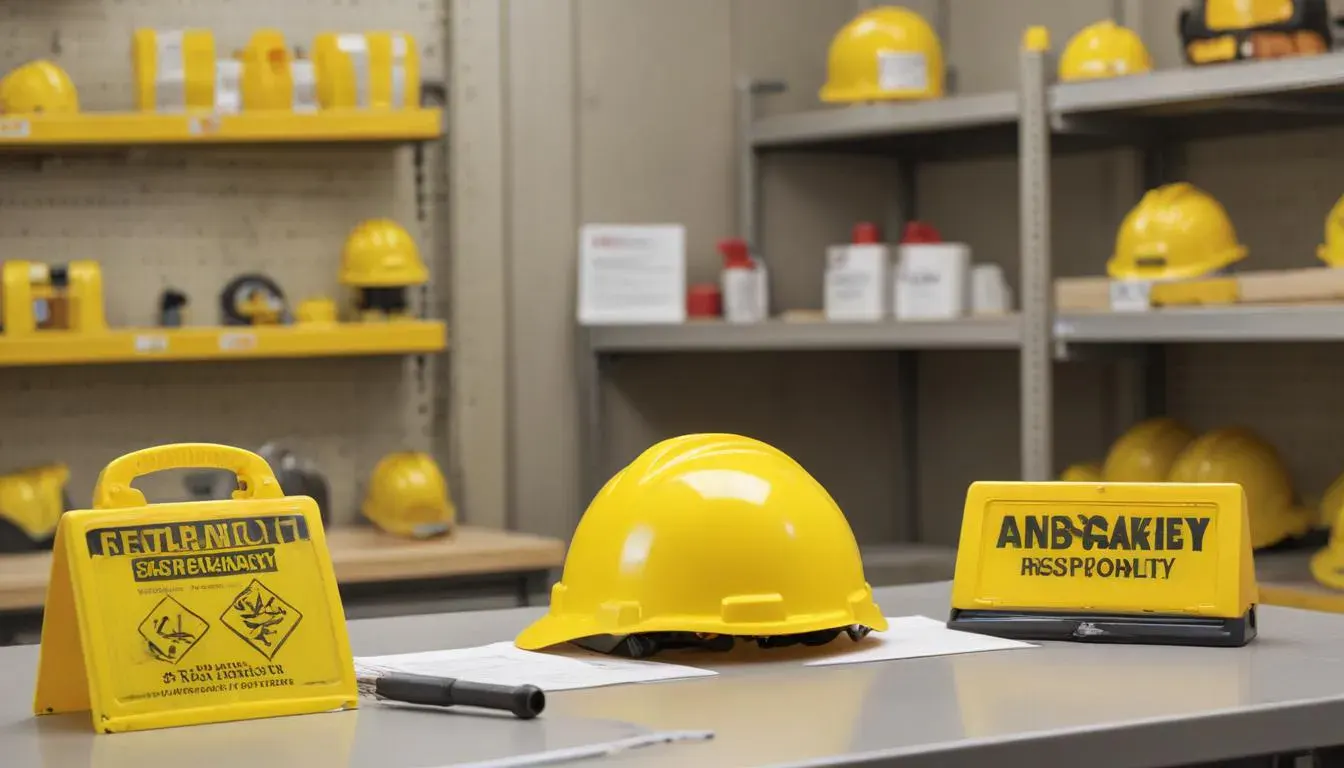
 When engaging in pump operations, it’s essential to adopt stringent safety measures to mitigate risks associated with these processes. Operators must adhere to well-defined guidelines to ensure a safe working environment. Here are key considerations:
- Risk Assessment: Conduct thorough assessments to identify potential hazards related to pump operations. This includes evaluating the environment, equipment, and materials being handled.
- Training: Ensure that all personnel involved in pump operations receive comprehensive training. This training should cover equipment handling, emergency procedures, and safety protocols.
- Signage: Post clear and visible safety signage near pump operations to serve as reminders of necessary precautions and potential hazards.
- Work Environment: Maintain a clean and organized work area. Clutter can lead to accidents and hinder quick responses in emergencies.
- Communication: Establish effective communication protocols among team members. Utilize radios or other devices to ensure everyone can communicate clearly during operations.
- Personal Protective Equipment (PPE): Ensure that all workers are equipped with appropriate PPE and check for proper use regularly.
Furthermore, regular reviews of safety measures and the implementation of incident reporting processes are vital for maintaining continuous improvement in operational safety. Engaging workers in safety meetings can foster a culture of safety and awareness, encouraging them to prioritize safety measures at all times.
Types of pumps and their specific risks
Different types of pumps are widely used across various industries, each presenting its own set of specific risks that must be understood and managed diligently. Recognizing these risks helps ensure enhanced safety measures during pump operations.
1. Centrifugal Pumps:
– These commonly used pumps can pose risks such as cavitation and overheating due to improper operation or maintenance. Operators should ensure that the pump’s inlet pressure is adequate to prevent cavitation, which can severely damage pump components.
– Leakage can also be an issue. Regular inspections should be performed to check for signs of wear or fluid leaks, particularly in seals and gaskets.
2. Positive Displacement Pumps:
– These pumps can generate high-pressure output, which poses a risk of hose rupture or fitting failure. Operators must be aware of the pressure ratings and ensure that all components are within safety guidelines.
– Additionally, overloading the pump can lead to catastrophic failure. Operators should follow prescribed maintenance schedules to monitor the physical condition of the pump.
3. Diaphragm Pumps:
– While these pumps are excellent for handling corrosive and viscous fluids, they can be susceptible to diaphragm rupture. This could expose workers to hazardous materials. Regularly checking the integrity of the diaphragm before operation is crucial.
– Air leaks and pressure loss also pose risks. Ensure that all connections are secure, and use proper materials that comply with operational parameters.
4. Submersible Pumps:
– These pumps operate underwater and can pose risks such as electrocution if not properly maintained. Installation of Ground Fault Circuit Interrupters (GFCIs) is essential for safety.
– Submersible pumps are also subject to ingress of solids. Regular maintenance should involve checking for blockages to prevent overheating and mechanical failure.
5. Peristaltic Pumps:
– These pumps are generally low-maintenance but can fail if tubing wear is not monitored. Operators should replace tubing at recommended intervals to prevent leaks.
– Improper fluid selection can result in pump degradation. Always verify fluid compatibility with pump materials during initial setup and regular reviews.
By understanding the specific risks associated with each pump type, operators can implement targeted safety measures to mitigate hazards effectively. Regular training on these risks and adherence to established guidelines are essential components of a comprehensive safety program.
Personal protective equipment requirements
Personal protective equipment (PPE) is a critical component in ensuring the safety of workers engaged in pump operations. Proper use of PPE can significantly reduce the risk of injury and exposure to hazardous materials. The following guidelines detail the necessary equipment and their purposes in various scenarios associated with pump operations.
- Head Protection: Hard hats should be worn to protect against falling objects and potential head injuries in environments where overhead hazards exist. They must meet ANSI Z89.1 standards for head protection.
- Eye and Face Protection: Safety goggles or face shields are essential to guard against splashes from hazardous fluids, flying debris, or chemical exposure during operation and maintenance tasks. Ensure that eyewear complies with ANSI Z87.1 standards.
- Respiratory Protection: Depending on the fluids being handled, a respirator may be required to safeguard against inhalation of harmful vapors or aerosols. Selection should be based on the specific contaminants present and must be compliant with OSHA respiratory protection standards.
- Hands Protection: Different types of gloves may be necessary, depending on the materials handled. Chemical-resistant gloves are crucial for preventing skin contact with hazardous substances, while heat-resistant gloves are important for operations involving hot components. Gloves should comply with applicable ASTM standards.
- Body Protection: Long-sleeved shirts and full-length pants made from durable materials should be worn to minimize skin exposure. In highly toxic environments, flame-resistant coveralls or chemical-resistant suits may be essential to protect workers from spills and splashes.
- Foot Protection: Steel-toed boots should be worn to protect against heavy loads or falls. In addition, boots should be slip-resistant to decrease the risk of slips and falls due to wet conditions commonly found around pump operations.
- Hearing Protection: In noisy environments, hearing conservation practices must be followed. Earplugs or earmuffs rated for the hazardous noise level present should be used in accordance with OSHA standards.
Regular training on proper use and maintenance of PPE can help ensure compliance and promote a safety-first culture. Employers should conduct periodic inspections of PPE to assess condition and replace any damaged or worn-out equipment immediately. Failure to use appropriate PPE not only increases the risk of injury but may also lead to non-compliance with industry regulations and safety measures.
By emphasizing the importance of PPE through training and supervision, companies can enhance the safety of their pump operations significantly, ensuring that all personnel are adequately protected while performing their duties.
Emergency response procedures
 In the event of an emergency during pump operations, it is crucial to have established and well-communicated response procedures in place to mitigate potential harm to personnel and minimize damage to equipment. All employees must be familiar with these procedures and regularly participate in drills to ensure readiness.
- Emergency Evacuation: Clearly outline the evacuation routes and assembly points for personnel in case of an emergency. Ensure that these routes are unobstructed and well-marked. Conduct regular drills to familiarize employees with their responsibilities during an evacuation.
- Spill Response: Develop specific protocols for handling spills, including immediate containment measures. Equip the work area with spill kits that include absorbent materials, containment barriers, and personal protective equipment (PPE). Train employees on proper spill response techniques to ensure swift action.
- Fire Response: Install appropriate fire suppression systems and ensure that fire extinguishers are easily accessible and regularly inspected. Train employees on how to use fire extinguishers and recognize different types of fires. Identify designated personnel responsible for activating alarms and coordinating the evacuation if a fire occurs.
- First Aid and Medical Assistance: Ensure that first aid kits are readily available and fully stocked. Assign trained first aid responders who can provide immediate assistance in case of injury. Maintain a list of emergency contacts, including local medical facilities and poison control centers, and make this information easily accessible to all employees.
- Reporting Incidents: Implement a clear procedure for reporting accidents, near misses, and unsafe conditions. Establish a process for documenting incidents and analyzing them to improve future safety measures. Encourage a culture of reporting without fear of retribution, as this can lead to greater safety awareness.
- Equipment Lockout/Tagout (LOTO): Prior to performing maintenance or repair work on pumps, ensure that all energy sources are effectively locked out and tagged to prevent accidental activation. Train employees on LOTO procedures to ensure they understand how to safely isolate equipment and confirm that it is properly de-energized before starting any work.
Regular training and communication are vital for the effectiveness of these emergency response procedures. Conduct drills periodically to test the readiness of personnel and modify procedures as necessary based on these evaluations. By equipping workers with the knowledge and skills to handle emergencies, organizations can significantly enhance overall safety measures during pump operations, ensuring a robust and compliant safety culture.
Regular maintenance and inspections
Maintaining pumps through regular inspections and scheduled maintenance is critical for ensuring safe and efficient operations. Following prescribed guidelines and implementing a systematic approach can help prevent malfunctions, reduce downtime, and enhance the overall lifespan of the equipment.
- Scheduled Maintenance: Establish a routine maintenance schedule based on the pump manufacturer’s recommendations and operating conditions. This schedule should include lubrication of moving parts, checking of seals, and replacement of worn components to ensure optimal performance and safety.
- Visual Inspections: Conduct daily visual inspections of pump systems to identify any signs of wear, corrosion, or leaks. Inspect hoses, fittings, and connection points for structural integrity. Any abnormalities should be documented and addressed promptly to avoid safety risks.
- Performance Monitoring: Implement monitoring systems to track and analyze pump performance metrics such as flow rate, pressure, and temperature. Deviations from normal parameters can indicate underlying issues that need investigation. Utilize gauges and remote monitoring technologies where applicable.
- Fluid Quality Checks: Regularly analyze the fluids being pumped to ensure they meet specified quality standards. Monitoring for contaminants can prevent pump damage and failure. Implement procedures for sampling and testing fluid quality based on the type of liquid being processed.
- Record Keeping: Maintain comprehensive logs of all maintenance activities, inspections, and repairs performed on each pump. These records not only assist in evaluating the history and condition of the equipment but also serve as a compliance measure with regulatory requirements.
- Employee Training: Ensure all personnel involved in pump operations are trained on maintenance procedures and the importance of regular inspections. Conduct refresher training sessions periodically to reinforce knowledge and practices related to safety measures.
- Emergency Readiness: Include maintenance checks as part of the emergency preparedness plan. Ensuring all safety equipment is functional and readily available can be a significant factor in emergency response effectiveness.
By implementing these regular maintenance and inspection practices in accordance with safety measures, organizations can minimize the risk of accidents and equipment failures, fostering a safer environment for all personnel involved in pump operations.