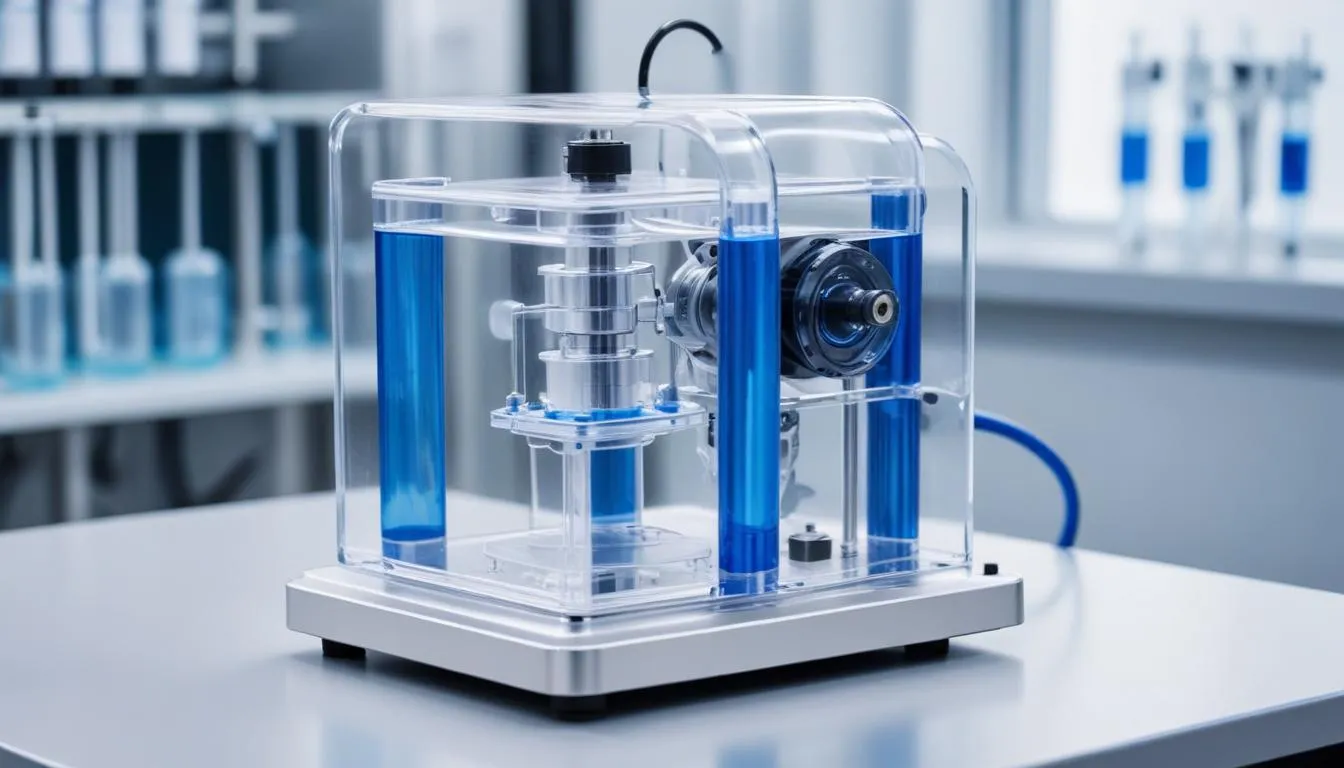
 Maintenance-free pumps come in various types, each designed to address specific applications and operational needs. Understanding these types can help users choose the most suitable option for their requirements.
- Peristaltic Pumps: These pumps operate by compressing a flexible tube, allowing for precise flow control. They are ideal for transferring viscous fluids and are often used in laboratories and medical applications.
- Magnetic Drive Pumps: Utilizing a magnetic coupling, these pumps eliminate the need for seals, reducing the risk of leaks. They are commonly employed in chemical processing and transfer of hazardous fluids.
- Centrifugal Pumps: Known for their ability to handle large volumes of liquid, centrifugal maintenance-free pumps are widely used in water treatment and various industrial applications.
- Diaphragm Pumps: These pumps are designed for transferring gases and liquids with high viscosity or abrasive properties. They are frequently used in applications such as agriculture and food processing.
- Positive Displacement Pumps: Ideal for handling thick fluids, these pumps maintain a constant flow regardless of pressure changes. They are prevalent in industries such as oil and grease transfer.
Each type of maintenance-free pump leverages unique technologies that offer various benefits, catering to different industrial needs while minimizing the requirement for regular maintenance and service.
Benefits of using maintenance-free pumps
One of the most significant advantages of maintenance-free pumps is their ability to significantly reduce operational costs. By eliminating the need for routine maintenance, businesses can allocate resources more efficiently, which can lead to a significant increase in overall productivity. This cost-effectiveness is particularly beneficial in industries that rely on consistent fluid transfer without interruptions.
Another compelling benefit is the enhanced safety associated with maintenance-free pumps. Traditional pumps often require regular inspection and maintenance, creating opportunities for leaks or failures that can pose risks to both personnel and the environment. In contrast, many maintenance-free pump technologies, such as magnetic drive pumps, feature designs that minimize these risks by eliminating mechanical seals, thus reducing the likelihood of leaks.
Additionally, the reliability of maintenance-free pumps is unparalleled. The robust engineering behind many of these systems ensures they can operate effectively under a range of conditions, providing peace of mind to users. Their ability to consistently perform with minimal supervision allows operations to run smoothly, which is vital in mission-critical applications.
Moreover, maintenance-free pumps often exhibit a longer lifespan compared to their traditional counterparts. With fewer moving parts and less wear and tear due to the lack of fluid friction and mechanical stresses commonly found in regular pumps, these pumps are designed for durability. This longevity not only contributes to lower replacement costs but also enhances sustainability, making them an appealing choice for environmentally conscious companies.
In various applications, from chemical processing to food and beverage production, the flexibility offered by maintenance-free pumps is another key benefit. As these pumps can handle diverse fluid types and viscosities without adjustments, they can be adapted easily to different operational needs without incurring additional costs or downtime.
- Reduced Operational Costs: Lower maintenance needs lead to better resource allocation.
- Enhanced Safety: Designs minimize risks of leaks and failures.
- Reliable Performance: Consistent operation with minimal supervision increases operational efficiency.
- Longer Lifespan: Built to last, reducing replacement costs and waste.
- Flexibility: Adapts to different applications and fluid types seamlessly.
These benefits position maintenance-free pumps as an invaluable asset across numerous industries, driving innovation and efficiency while maintaining high standards of safety and environmental responsibility.
Key features to consider
When selecting maintenance-free pumps, certain key features significantly influence their effectiveness and suitability for specific tasks. Understanding these features can help you make informed decisions and optimize your operations.
Durability is one of the most important features to consider. Maintenance-free pumps are often designed with robust materials that can withstand harsh environments, corrosive fluids, and varying temperatures. This durability ensures long-lasting performance without the frequent need for replacements or repairs, ultimately leading to cost savings.
Another critical aspect is the flow rate. Depending on the application, the required flow rate can vary widely. Maintenance-free pumps come in different configurations to accommodate specific flow demands. It is essential to select a pump that meets the necessary flow rate to prevent processing delays and to ensure optimal productivity.
The energy efficiency of maintenance-free pumps is also a vital consideration. Pump technologies that maximize efficiency help reduce energy consumption, which in turn lowers operational costs. Look for pumps with energy-efficient designs and features such as variable speed drives, which allow for adjustments in output based on real-time needs.
Moreover, the ease of installation is an important feature that should not be overlooked. Advanced designs in maintenance-free pumps often facilitate simpler and quicker installation processes, which can save time and labor costs. Utilizing user-friendly connections and straightforward instructions can significantly reduce installation time and allow for immediate operation.
Another feature worth considering is compatibility with various fluids. Many maintenance-free pumps are engineered to handle a wide range of fluids, including viscous, corrosive, and shear-sensitive substances. When selecting a pump, ensure it is compatible with the specific fluids in your application to avoid performance issues or damage.
In addition, the maintenance-free design itself is a paramount feature. The advantage of having a pump that does not require routine maintenance translates into minimized service interruptions. Look for designs that employ lab-tested technologies or innovative constructs, like magnetic drive systems or diaphragm technologies, which ensure reliability without regular upkeep.
Lastly, consider control options. Advanced maintenance-free pumps often feature integrated control systems that allow for better monitoring and adjustments during operation. Smart technology can enhance performance by enabling remote operation, automated settings, and real-time diagnostics, further improving operational efficiency.
| Feature | Description |
|---|---|
| Durability | Built with robust materials suitable for harsh environments. |
| Flow Rate | Available in various configurations to meet specific flow demands. |
| Energy Efficiency | Reduces energy consumption and lowers operational costs. |
| Ease of Installation | Designed for quick and uncomplicated setup. |
| Fluid Compatibility | Handles a variety of fluids including corrosive and viscous types. |
| Maintenance-Free Design | Minimizes service interruptions and reduces the need for upkeep. |
| Control Options | Integrated systems for monitoring and automation enhance efficiency. |
By carefully considering these key features, you can select the most suitable maintenance-free pump for your specific operational needs, ensuring enhanced efficiency, safety, and overall productivity in your applications.
Common applications and industries
 Maintenance-free pumps are employed across a wide array of industries, reflecting their versatility and efficiency. Their unique designs cater to different operational requirements, making them ideal for numerous applications.
- Chemical Processing: In this industry, maintenance-free pumps are crucial for transporting hazardous and corrosive chemicals safely. Magnetic drive pumps, in particular, are favored due to their leak-free operation, which enhances safety and reduces environmental risks.
- Food and Beverage Production: The hygienic design of diaphragm pumps and peristaltic pumps makes them well-suited for food applications. These pumps maintain product integrity by preventing contamination, thus aligning with industry regulations and standards.
- Water Treatment: Centrifugal maintenance-free pumps are widely used in municipal and industrial water treatment facilities. Their capability to handle large volumes effectively aids in processes such as filtration, chemical dosing, and irrigation.
- Agriculture: Maintenance-free pumps, particularly diaphragm and positive displacement pumps, are advantageous in agricultural applications for irrigation and chemical delivery. Their durability allows them to handle varying fluid viscosities and conditions, ensuring reliable performance.
- Oil and Gas: In the oil and gas sector, robust and efficient pumps are vital for transferring fluids under high pressure. Maintenance-free designs allow for continuous operation with minimal downtime, thereby optimizing production efficiency.
- Pharmaceuticals: The pharmaceutical industry requires precision and contamination prevention. Maintenance-free pumps are utilized to transfer active ingredients and other sensitive materials, ensuring compliance with stringent regulatory standards.
The use of maintenance-free pumps in these applications offers not only operational benefits but also contributes to improved safety standards. Their robust technologies are specifically designed to cater to the demanding environments of various industries, allowing for enhanced reliability and efficiency. By minimizing the need for regular service and maintenance, these pumps enable businesses to focus on productivity while ensuring consistent quality in their operations.
Best practices for installation and usage
When it comes to installing maintenance-free pumps, careful consideration of several factors is essential to ensure optimal performance and longevity. Proper installation can significantly enhance the operational efficiency of these systems, allowing users to reap the full benefits of their advanced technologies.
First, it is crucial to ensure that the installation site is prepared adequately. The surface should be leveled and capable of bearing the weight of the pump without causing vibrations. Utilizing vibration-damping supports can further enhance stability and minimize noise during operation. Proper alignment is also necessary; incorrect alignment can lead to excessive wear and reduce the efficiency of the pump over time.
Next, attention should be given to the inlet and outlet piping. To maintain an efficient flow, these pipes must be sized appropriately according to the specifications of the pump being installed. Using the correct fittings and ensuring that all connections are tight will help to prevent leaks and air entrainment, which can negatively impact pump performance. It’s also advisable to avoid sharp bends in the piping, as these can cause flow restrictions and increase the risk of cavitation.
When connecting the pump to power sources, ensuring compliance with electrical standards is paramount. Installations should be carried out by qualified personnel to prevent electrical hazards and operational failures. Utilizing ground-fault circuit interrupters (GFCIs) can enhance safety, especially in damp environments.
A thorough understanding of the operational parameters and specifications of the maintenance-free pumps is vital. Users should familiarize themselves with the required flow rates and pressures to ensure that the selected pump is appropriate for the intended application. It is often recommended to conduct system tests post-installation to verify that the pump operates within the desired parameters.
Regular monitoring is another best practice, even for maintenance-free systems. Implementing monitoring technologies, such as flow meters and pressure gauges, can help detect any deviations from normal operation, allowing for timely interventions if issues arise. Keeping detailed records of operational performance can also assist in validating the longevity and efficiency of the pump.
Additionally, during installation, it is beneficial to provide ample access for potential future servicing or inspections. Although these pumps are designed to minimize maintenance requirements, accessibility can be crucial in the event of unexpected issues or upgrades.
Finally, ensuring that all personnel involved in the operation of maintenance-free pumps are adequately trained is essential. Understanding the pump functions, safety measures, and operational guidelines will contribute to maximizing efficiency and minimizing downtime.
By adhering to these best practices, users can optimize the performance and durability of maintenance-free pumps, thereby enhancing their operational benefits while ensuring safety and reliability throughout their service life.