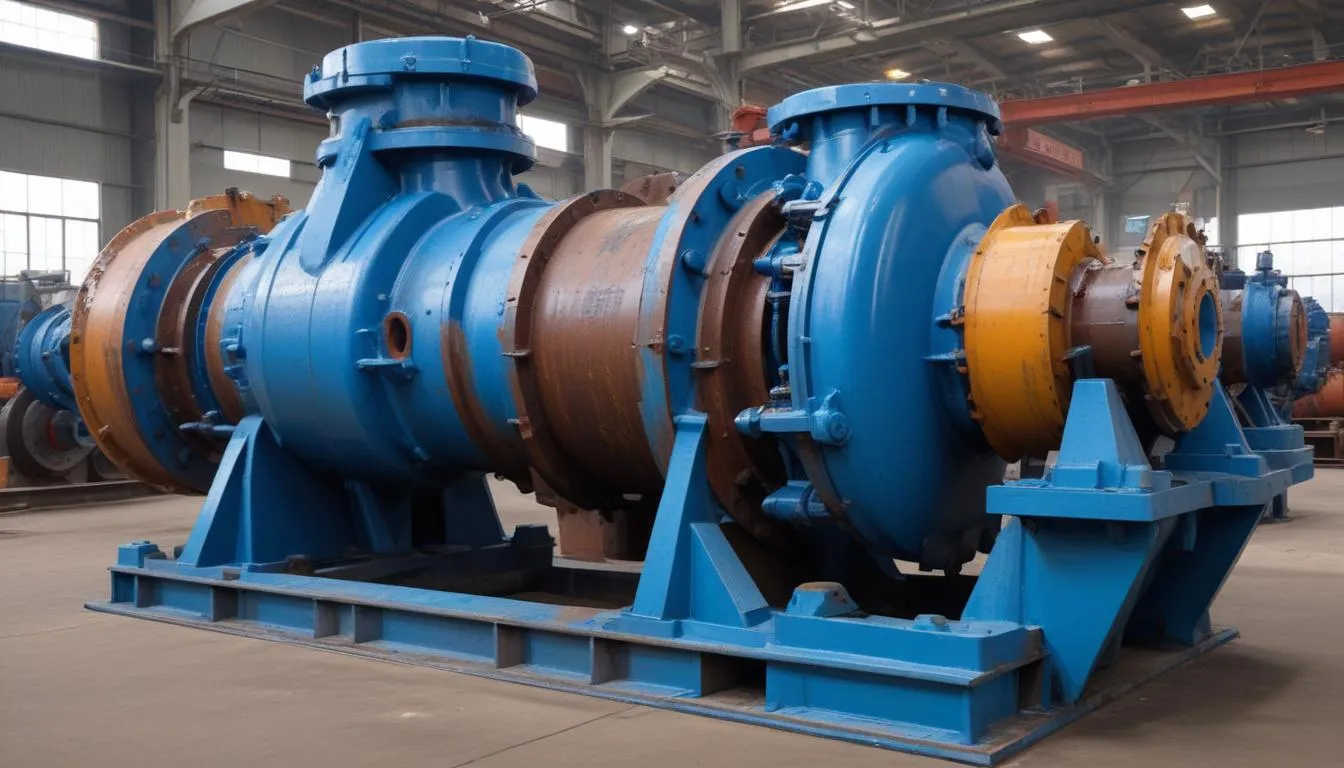
 When selecting a pump for abrasive materials, it is crucial to first comprehend the characteristics and behaviors of these materials. Abrasive materials typically possess hard particles that can cause wear and tear on pumps, affecting their efficiency and longevity. Understanding these materials involves examining their size, shape, hardness, and the nature of the fluid they are mixed with.
Abrasive materials can be classified into several categories based on their physical properties and the environments in which they are used. Here are a few examples:
- Slurries – A mixture of liquid and solid particles that often have a high particle concentration.
- Granular materials – These consist of discrete particles and can have varying sizes and shapes.
- Corrosive materials – Some abrasive materials can also be corrosive, which requires pumps to resist both abrasion and chemical damage.
The pump selection process hinges on understanding the properties of these materials. Factors such as particle size and concentration play a significant role in determining the type of pump that will be most effective. For instance, larger particles may require specific pump designs that allow for adequate clearance and reduced risk of clogging.
Additionally, the flow characteristics of abrasive slurries should be evaluated, as their viscosity and density can greatly impact pump selection. It is also important to consider the intended application, as some industries may have unique demands affecting the pump’s operational efficiency.
In summary, a strong grasp of abrasive materials is foundational for implementing effective pump selection strategies. By thoroughly analyzing the different types of abrasive materials and their operational environments, one can better select the most suitable pumping solutions to enhance performance and minimize downtime.
Types of Pumps for Abrasive Materials
When choosing a pump suited for abrasive materials, it’s essential to consider the various types of pumps that can handle the specific challenges posed by these materials. The right pump selection ensures optimal performance, minimizes wear, and extends the lifespan of the equipment. Here’s an overview of the primary types of pumps that are effective for abrasive materials:
- Positive Displacement Pumps – These pumps are designed to move fluids by trapping a fixed amount of fluid and forcing it into the discharge pipe. They are often favored for slurries due to their ability to handle high-viscosity fluids and maintain flow even with variable pressures. Examples include gear pumps, diaphragm pumps, and screw pumps. Each type has unique advantages, such as self-priming capabilities in gear pumps and versatility in diaphragm pumps.
- Centrifugal Pumps – While these pumps are widely used for various liquids, their effectiveness in pumping abrasive materials relies heavily on the design. Specifically, pumps with wear-resistant materials, such as hardened alloys or rubber linings, can handle the abrasive nature of slurries without significant damage. Centrifugal pumps are generally more efficient for larger volumes but require careful selection to ensure they can handle the particle sizes involved.
- Peristaltic Pumps – Ideal for pump selection in applications where gentle handling of the fluid is critical, peristaltic pumps move fluids through a hose by compressing and releasing it. This design results in minimal shear force and allows them to handle abrasive materials effectively without clogging. They require less maintenance and have a straightforward operational mechanism, making them suitable for longer-term operations.
When contemplating pump selection, it’s vital to assess the specific operational conditions and requirements. Factors like flow rate, head pressure, and the physical characteristics of the abrasive materials all influence which type of pump to choose. Comprehensive analysis can help identify the risks associated with clogging and wear, ensuring that the selected pump is compatible with the operational demands.
In scenarios requiring higher performance under tougher conditions, mixed solutions may arise where pumps operate in tandem. This approach utilizes the strengths of different pumps to optimize efficiency while addressing the abrasive nature of the materials being processed.
Moreover, it is beneficial to engage in strategies that consider the entire system, including pipeline design, to mitigate wear due to friction or turbulence. Understanding these dynamics allows operators to choose pumps that not only perform effectively but also align with maintenance schedules and lifecycle cost considerations. Each pump type presents its own set of advantages and drawbacks, necessitating careful evaluation to select the best option for handling challenging abrasive materials.
Key Selection Criteria
When selecting a pump for handling abrasive materials, it is essential to evaluate several key criteria that directly impact performance, durability, and maintenance. These selection criteria will guide operators in making informed decisions to ensure optimal functionality of the pumping system.
- Material Compatibility – The materials used in pump construction should resist abrasion and corrosion. Options like hardened alloys, ceramics, and specially designed polymer linings can provide the necessary durability against wear caused by abrasive materials. Assessing material compatibility helps prevent premature failure of the pump components.
- Particle Size and Concentration – Evaluating the abrasive materials in question involves understanding both the size and concentration of particles. Pumps need to be selected based on their ability to accommodate larger particles without clogging and to maintain efficiency with high solid concentrations. Displacement pumps may be ideal in applications with thicker mixtures due to their ability to handle viscous slurries effectively.
- Flow Rate Requirements – Determining the required flow rate is critical in pump selection. The pump must be capable of meeting the desired throughput without causing disruptions. Operators should carefully analyze the relationship between flow rate, pressure requirements, and the viscosity of the abrasive materials to ensure the selected pump performs efficiently at the operational range.
- Operating Conditions – Understanding the context in which the pump will operate is paramount. This includes temperature fluctuations, pressure variations, and environmental factors. Pumps designed for extreme conditions should be equipped with features like thermal protection and appropriate sealing systems to safeguard against leaks due to the aggressive nature of some abrasive materials.
- Maintenance Considerations – It is crucial to consider how easy it is to maintain the pump. Select pumps with accessible components for routine inspections and servicing. Pumps that require less maintenance typically include features like self-lubrication and easy-to-replace parts, adding to the overall efficiency of pump selection strategies.
- System Integration – The pump should integrate seamlessly into the existing system, including pipelines and connections. The design and layout can significantly affect the overall efficiency, so ensure that the selected pump can work within the system’s parameters to avoid introducing additional friction losses or wear.
An effective pump selection strategy relies on balancing these criteria to find the ideal pump for abrasive materials. Operators must conduct thorough evaluations and consider real-world applications to identify potential issues before they arise. Leveraging detailed analysis and understanding the demands of both the abrasive materials and the operational environment will facilitate a well-informed pump selection process, maximizing uptime and operational efficiency.
Maintenance and Care for Pumps
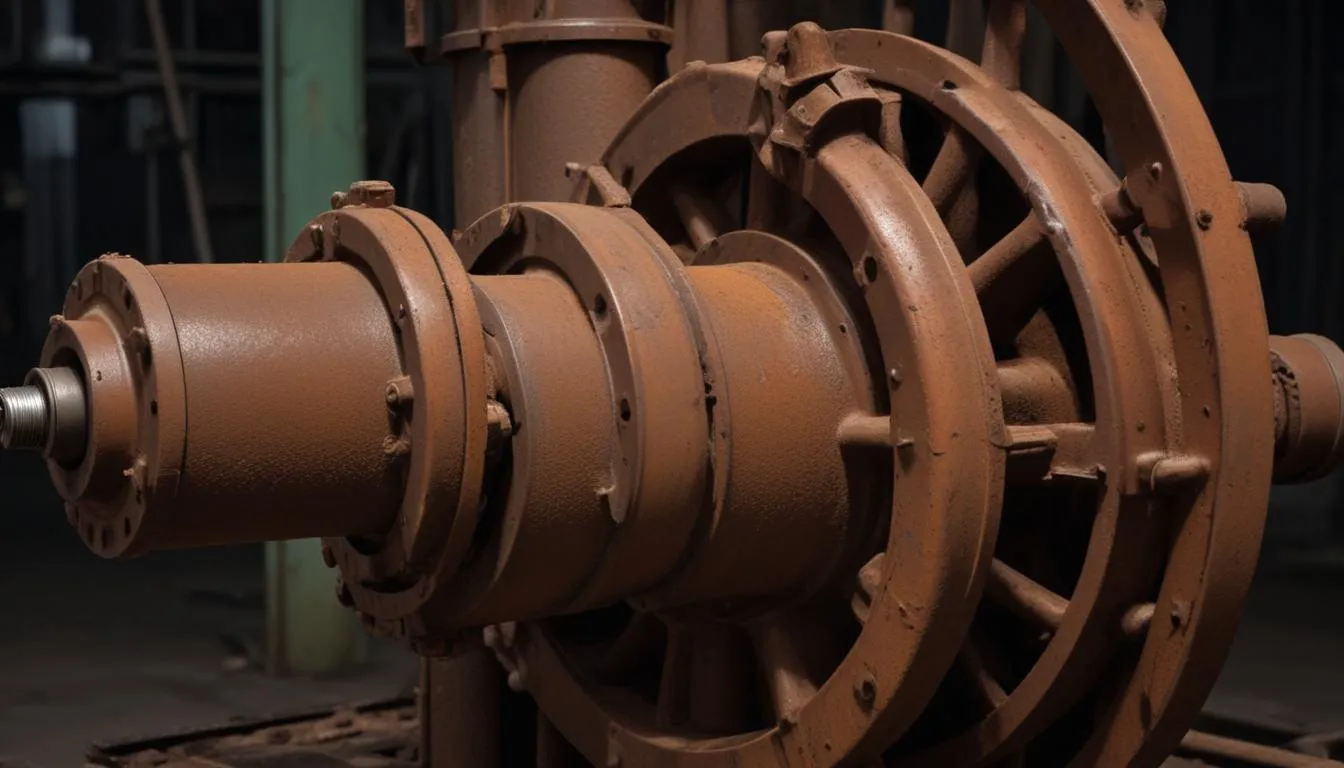 Proper maintenance and care of pumps used for handling abrasive materials are vital for ensuring longevity, reliability, and optimal performance. Regular maintenance routines not only help mitigate wear from abrasive particles but also contribute to more efficient operation and reduced downtime. Here are key aspects to consider for effective maintenance and care of pumps used in tough conditions:
- Regular Inspections – Conducting routine inspections helps identify wear and tear before it leads to significant failures. Check for signs of erosion on pump components, particularly those in direct contact with abrasive materials, such as impellers and casings. Monitoring these components periodically can extend pump life and reduce unexpected breakdowns.
- Cleaning Regimens – Implementing a thorough cleaning schedule is essential to remove buildup of abrasive particles. This includes checking pipeline systems, suction inlets, and any filters that might accumulate debris. Cleaning not only ensures efficient flow but also reduces the risk of clogs that can lead to operational failure.
- Lubrication – Keeping moving parts well-lubricated minimizes friction and helps in maintaining performance. Choose lubricants that are compatible with the pump materials and the operating environment. Regularly checking and replenishing lubricants can prevent excessive heat generation and prolong the life of bearings and mechanical seals.
- Monitoring Operating Conditions – Maintain records of the operating conditions, including flow rates, temperatures, and pressures. Fluctuations outside the recommended parameters can exacerbate wear on pumps handling abrasive materials. Use sensors and gauges to keep track of these metrics so maintenance can be proactively scheduled based on real-time data.
- Replacement and Upgrades – Depending on the inspection results, some components may require replacement over time. Utilize parts made from wear-resistant materials to enhance durability. Additionally, regularly assess the need for upgrades or refurbishments to the pump system to improve efficiency, particularly if operating with new types of abrasive materials.
- Training and Protocol Development – Ensure that operators are trained on proper maintenance procedures. Documenting protocols for handling, maintenance, and emergency procedures can minimize risks associated with abrasive material processing. Clear guidelines should also outline appropriate responses to potential pump failures.
Implementing these maintenance strategies will assist in preserving the integrity of pumps designed for abrasive materials. Regular upkeep not only promotes a safe operational environment but also optimizes the overall performance of the pumping system. As a result, understanding and committing to a maintenance schedule are essential for maximizing uptime and mitigating operational challenges associated with handling abrasive materials.
Common Challenges and Solutions
Operators face a variety of challenges when dealing with pumps that handle abrasive materials. Understanding these challenges is crucial for efficient pump operation and longevity, and implementing effective solutions can significantly improve system performance. Here are some common challenges and their corresponding solutions:
- Wear and Tear – Pumps that handle abrasive materials are susceptible to increased wear on components such as impellers, casings, and seals. This wear can lead to decreased efficiency and frequent breakdowns.
- Solution: Utilize pumps constructed with wear-resistant materials like hardened alloys or ceramics. Additionally, consider designing systems with features such as replaceable liners and regular inspections to identify wear early. Implementing a monitoring system can provide real-time data on wear rates, allowing for proactive maintenance.
- Clogging – The presence of larger particles in abrasive mixtures can lead to clogs, especially in pumps not designed for such conditions. This challenge can halt operations and lead to costly downtime.
- Solution: Select pumps with larger clearances to accommodate bigger particles. Positive displacement pumps are often more capable of handling thick slurries without clogging. Regular cleaning and maintenance schedules should also be put in place to remove buildup and prevent blockages.
- Reduced Efficiency – The abrasive nature of materials can hinder the pump’s efficiency, leading to increased energy consumption and escalating operational costs.
- Solution: Regularly assess the system for flow rate and pressure drop. Adjusting the pump settings to optimal values and ensuring proper sizing can enhance operational efficiency. Implementing variable speed drives can also provide flexibility, allowing adjustments based on real-time demands.
- Maintenance Challenges – Performing regular maintenance on pumps handling abrasive materials can be time-consuming and complex, especially if parts are difficult to access.
- Solution: Choose pump designs that prioritize accessibility for maintenance. Pumps with modular designs or those that facilitate easy disassembly can significantly reduce maintenance time. Documentation of maintenance protocols can streamline processes and ensure consistency in care.
- System Integration Issues – Integrating pumps into existing systems for abrasive material transport can lead to inefficiencies if not properly planned.
- Solution: Conduct a thorough analysis of the entire system, including pipelines, flow paths, and other components. Utilizing simulation tools can help visualize material flow and identify potential bottlenecks. Ensuring that the pump is compatible with existing system parameters is key to maintaining a seamless operational flow.
Addressing these challenges through thoughtful strategies will not only prolong the life of the pump but also optimize performance when handling abrasive materials. The careful selection of pump types and materials, coupled with proactive maintenance practices, will position operators to navigate the complexities associated with pumping systems effectively.