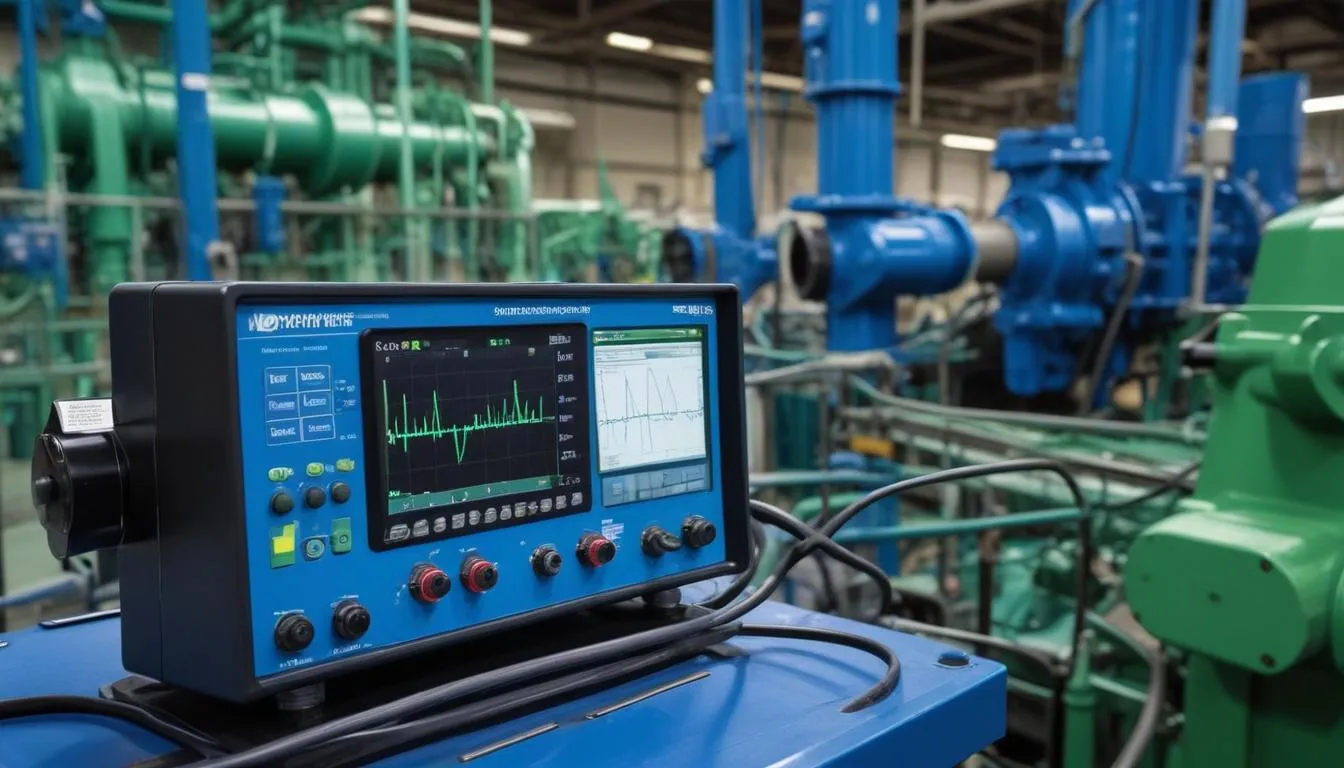
 Understanding pump vibrations is crucial for optimizing the performance and longevity of pump systems. Pump vibrations refer to the oscillations or movements that occur during the operation of a pump, which can significantly impact efficiency and reliability. Recognizing the nature of these vibrations is essential for effective monitoring and management.
Pump vibrations can be classified into two primary categories: displacement vibrations and pressure vibrations. Displacement vibrations are characterized by the physical movement of the pump components, while pressure vibrations result from fluctuations in fluid pressure due to various factors such as flow turbulence or mechanical imbalances.
Factors contributing to pump vibrations are often interconnected. Common sources include:
- Mechanical imbalance: This arises when the rotating elements of the pump are uneven, leading to excessive vibration.
- Misalignment: Misalignment between the pump and the motor or other connected machinery can generate significant vibrations.
- Hydraulic issues: Changes in flow conditions, such as cavitation or fluid turbulence, can induce vibrations.
- Wear and tear: Over time, components such as bearings and shafts can deteriorate, contributing to increased vibrational levels.
Understanding how these factors interact is essential for conducting a comprehensive analysis of pump vibrations. A thorough examination involves monitoring vibration patterns using advanced instruments such as accelerometers and vibration sensors. This data can be analyzed to pinpoint the vibrations’ frequency and amplitude, facilitating early detection of potential issues.
Effective solutions for managing pump vibrations necessitate a detailed approach encompassing corrective actions and preventive maintenance. By addressing the root causes of vibrations, operators can enhance the operational reliability of pumps and extend their service life.
Causes of pump vibrations
Common causes of pump vibrations encompass multiple mechanical and hydraulic phenomena. Recognizing these underlying factors is imperative for mitigating their impact and enhancing operational efficiency.
- Rotational issues: As components like impellers and rotors spin, any irregularities in their mass distribution can lead to vibration. This condition is often referred to as unbalance, and is commonly a result of manufacturing defects or damage sustained over time.
- Installation errors: Improper installation practices can result in misalignment of shafts, which inevitably leads to excessive wear and significant vibrations during operation. Ensuring precise alignment using leveling tools can help prevent these issues.
- Hydraulic surges: Sudden changes in direction of the fluid flow, often caused by valve operations or obstructed pipe systems, create turbulence that contributes to vibrations. Monitoring fluid dynamics within the system can identify problematic trends and facilitate necessary adjustments.
- Cavitation: This phenomenon occurs when local pressure drops below the vapor pressure of the liquid, forming vapor bubbles that collapse violently, causing significant vibration and potential damage. Regular inspection of pump operation parameters can help to prevent cavitation.
- Foundation and support issues: An unstable or improperly designed foundation can transmit vibrations throughout the system. Ensuring a solid foundation, equipped with appropriate vibration isolation features, is essential for effective vibration control.
- Bearing and seal degradation: As components experience wear and tear, inadequacies develop that lead to increased vibrations. Implementing a preventive maintenance schedule, including regular lubrication and timely replacements, can reduce the effects of wear on these critical parts.
The interaction among these causes can often produce complex vibration patterns that require comprehensive analysis. Monitoring equipment, including accelerometers and vibration sensors, enables effective data collection regarding vibration frequency and amplitude. This data can be progressively analyzed to develop tailored solutions addressing the root causes of pump vibrations.
Understanding the multifaceted nature of pump vibrations can empower operators with the knowledge necessary to implement effective strategies and minimize detrimental impacts on performance. By recognizing and addressing these causes, facilities can ensure their pump systems operate smoothly and efficiently.
Effects of vibrations on performance
Excessive pump vibrations can have several adverse consequences on the overall performance of pump systems. These impacts can range from reduced efficiency to catastrophic failures, affecting not only the pump but also the entire mechanical system in which it operates.
One of the primary effects of vibrations is a decline in efficiency. When vibrations occur, the pump may not be able to deliver the expected flow rate or pressure, leading to performance degradation. This inefficiency can result in increased energy consumption, which subsequently raises operational costs. According to research, a mere 10% increase in vibrations can lead to a 5-10% decrease in pump efficiency.
Furthermore, vibrations can cause accelerated wear and tear on mechanical components. Key parts, such as bearing systems, seals, and impellers, are particularly susceptible to damage from excessive vibration. As these components degrade, the likelihood of unplanned downtime increases, resulting in costly repairs and production losses.
The following table summarizes the various effects of pump vibrations on performance:
| Effect | Description |
|---|---|
| Reduced Efficiency | Pumps operate at lower flow rates and pressures, leading to increased energy consumption. |
| Increased Wear | Key components experience accelerated degradation, resulting in frequent replacements and repairs. |
| Unplanned Downtime | Failures due to vibration-related issues can halt operations, causing significant financial losses. |
| Fluid Contamination | Vibrations can compromise sealing mechanisms, leading to leaks and contamination of the fluid being pumped. |
In addition to mechanical effects, vibrations can also impact the system’s hydraulic performance. When vibrations induce turbulence in the fluid flow, it may lead to cavitation, which causes not only inefficiencies but also further mechanical damage. The fluctuation in pressure can create a cycle of problems that compound the original issues.
Operators must be diligent in monitoring and addressing the effects of vibrations on pump performance. By conducting regular analysis of vibration patterns, teams can identify issues early and implement solutions that mitigate the risks associated with excessive pump vibrations. These preventive measures include enhancing alignment, employing vibration-damping equipment, or investing in more robust components designed to withstand operational stresses.
Through understanding the negative impacts of vibrations, facility operators can better manage their systems and maintain optimal performance levels.
Measurement and analysis techniques
 Monitoring and analyzing pump vibrations is a critical aspect of maintaining optimal pump performance. Various techniques can be employed to measure and assess vibrations in order to identify any potential problems early on. One of the most widely used tools in this field is the accelerometer, which detects vibrations by measuring the acceleration forces experienced by the pump. Other common instruments include vibration spectrum analyzers and laser vibrometers, both of which provide detailed insights into the frequency and amplitude of the vibrations.
The process of measuring pump vibrations involves the following steps:
- Data Collection: Sensors are strategically placed on pump components to record vibration data over a specified period of time.
- Frequency Analysis: The collected data is subjected to frequency analysis, typically via Fast Fourier Transform (FFT). This method transforms the time-domain data into frequency-domain data, helping to identify dominant frequencies associated with specific mechanical issues.
- Amplitude Assessment: Measuring the amplitude of the vibrations helps determine the severity of the vibrations. Higher amplitudes may indicate significant problems, requiring immediate attention.
- Comparison with Standards: The obtained vibration data can then be compared to established industry standards, such as ISO 10816 or API 610, allowing for a benchmark assessment of pump health.
Engaging in regular vibration analysis provides operators with invaluable information regarding the condition of their pumps and can lead to the identification of solutions to enhance reliability. For example, recognizing a repetitive vibration frequency can indicate a specific fault, such as misalignment or imbalance, guiding the maintenance team towards targeted corrective actions.
Additionally, software applications are increasingly being integrated into vibration monitoring systems. These monitoring solutions enable real-time data acquisition and analysis, presenting findings through visualizations that are easier to interpret. By implementing these advanced analytics tools, organizations can benefit from predictive maintenance strategies, which allow for timely interventions and reduce the risks associated with unplanned downtime.
Laboratories specializing in vibration analysis can also provide comprehensive testing and diagnostics. They use sophisticated equipment to quantify the exact nature of the pump vibrations, allowing for detailed reports on component failure risks, vibration magnitude, and potential corrective measures.
The continuous analysis of pump vibrations leads to a more profound understanding of operational inefficiencies. By employing structured measurement techniques and leveraging state-of-the-art data interpretation methods, operators can identify underlying issues early, fostering proactive maintenance practices. This ultimately enhances not only the pumps’ performance but also their overall lifecycle, securing efficient operations and minimizing costs associated with unexpected repairs.
Mitigation strategies for pump vibrations
Mitigating pump vibrations involves a multifaceted approach that includes both corrective actions and ongoing preventive measures. Implementing targeted strategies can greatly reduce the severity of vibrations and enhance operational efficiency. Here are several effective mitigation strategies that operators can utilize:
- Precision Alignment: Ensuring proper alignment between the pump and its driving motor is crucial. Using laser alignment tools can significantly reduce misalignment, which is a common source of vibration. Regular checks and adjustments can maintain alignment over time.
- Balancing Rotating Elements: Dynamic balancing of rotating components, such as impellers and rotors, is essential. This involves adjusting mass distribution to eliminate unbalance, thereby reducing vibrations caused by rotational irregularities.
- Foundation Improvements: The stability of the pump’s foundation plays a critical role in vibration control. Reinforcing the foundation and incorporating vibration isolation pads can dampen vibrations before they propagate through the system.
- Upgrading Components: Should vibrations stem from worn bearings or seals, upgrading to higher-quality, more resilient components can lower vibration levels. This might include replacing standard bearings with those designed specifically for high-vibration environments.
- Fluid Handling Techniques: To minimize hydraulic-induced vibrations, operators should examine fluid dynamics within the system. Adjusting pump speed, installing flow straighteners, or modifying piping layouts to avoid sudden changes in flow direction can help alleviate turbulence-induced vibrations.
- Vibration Dampening Equipment: Utilizing vibration dampeners, such as flexible couplings or vibration isolators, can minimize the transmission of vibrations to surrounding structures and equipment. These devices absorb some of the energy that would otherwise contribute to vibration levels.
- Regular Maintenance and Inspections: Establishing a rigorous maintenance schedule that includes regular inspections can preemptively identify and resolve vibration issues. Scheduled checks of mechanical components, lubricants, and operational parameters can prevent the escalation of vibration problems.
The following table summarizes effective mitigation strategies for reducing pump vibrations:
| Strategy | Description |
|---|---|
| Precision Alignment | Ensure accurate positioning of the pump and motor to prevent misalignment-induced vibrations. |
| Balancing Rotating Elements | Adjust mass distribution in rotating parts to eliminate unbalance, thus reducing vibrations. |
| Foundation Improvements | Enhance the stability of the pump foundation using isolation pads to minimize vibration transmission. |
| Upgrading Components | Implement durable materials in critical parts to withstand high vibration levels. |
| Fluid Handling Techniques | Implement adjustments to fluid flow dynamics to reduce turbulence-related vibrations. |
| Vibration Dampening Equipment | Install absorptive devices to minimize the propagation of vibrations throughout the system. |
| Regular Maintenance and Inspections | Conduct routine checks to ensure all components are functioning optimally and addressing potential vibration sources. |
By employing these strategies, operators can significantly reduce pump vibrations, ultimately leading to enhanced performance and longevity. The consistent application of these practices, coupled with thorough vibration analysis, can guide maintenance teams in diagnosing issues and implementing effective solutions to ensure the reliability of pump systems.