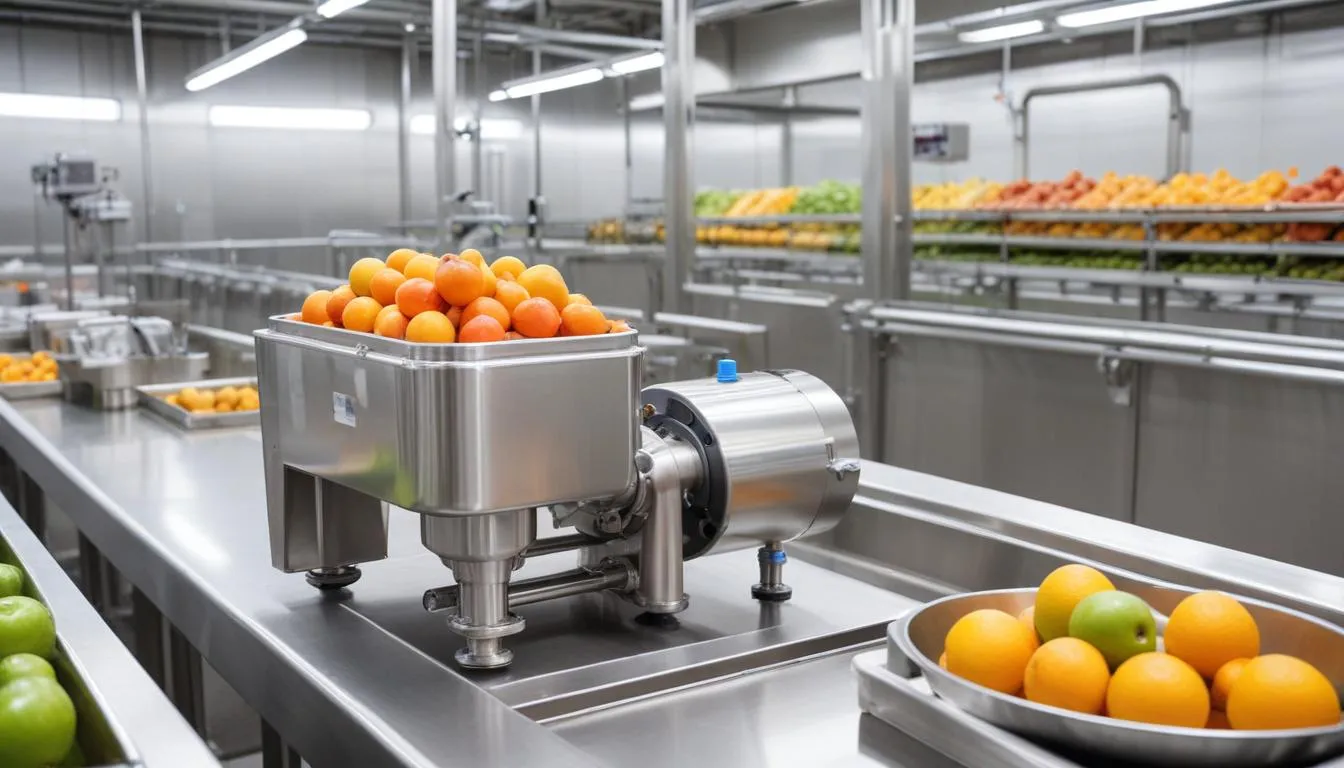
 In the food industry, the selection of pumps is crucial due to the unique requirements associated with food processing. Industry experts emphasize that the effectiveness of food industry pumps can significantly impact the quality of the final product. For instance, improper pump selection can lead to contamination or degradation of foodstuffs, making rigorous compliance with safety standards essential.
Experts recommend that businesses consider several factors when choosing pumps, including the type of medium being pumped, temperature, and viscosity. For example, sanitary or hygienic pumps are critical for transporting edible liquids, as they minimize the risk of contamination. Compliance with regulations from agencies like the FDA and USDA is also paramount, as these entities require specific materials and designs to prevent cross-contamination.
Additionally, many professionals stress the importance of consulting with pump manufacturers or specialists who understand the nuances of food industry pumps. These experts can provide insights on features such as self-cleaning capabilities, which are vital for maintaining hygiene.
To ensure a successful pump operation, it is also recommended to assess the total cost of ownership, which includes initial investment, maintenance costs, and energy consumption. By prioritizing selection processes that meet industry standards, companies can optimize their operations and maintain the highest level of product safety.
Types of pumps used in food processing
In the food processing sector, various types of pumps are utilized to meet the specific demands of transporting different food products. Understanding these pump categories is essential for making informed choices that ensure efficiency and compliance with industry standards.
- Centrifugal Pumps: These pumps are often used for transferring liquids with low viscosity. They operate by converting rotational energy into hydrodynamic energy, making them ideal for beverages, sauces, and other low-viscosity products. However, attention should be paid to materials used since these pumps require components that adhere to food safety regulations.
- Positive Displacement Pumps: Suitable for high-viscosity products, positive displacement pumps offer precise flow rates and are ideal for applications such as moving pastes, creams, or slurries. They come in various designs, such as gear pumps and diaphragm pumps. The selection of the right type of positive displacement pump is crucial to ensure compliance with hygiene standards.
- Sanitary Pumps: Specifically designed for the food industry, sanitary pumps are constructed with smooth surfaces and materials that reduce the risk of contamination. They often feature easily cleanable designs that adhere to strict compliance requirements, making them an excellent choice for dairy and other sensitive food products.
- Air-Operated Diaphragm Pumps (AODD): These pumps are versatile and can handle varying viscosities, making them suitable for numerous applications in food processing. AODD pumps excel in transferring viscous fluids, slurries, and even thin liquids, thus providing flexibility in selection.
- Peristaltic Pumps: Ideal for pumping shear-sensitive fluids, peristaltic pumps work by compressing a flexible tube, which prevents contamination. This type of pump is particularly useful for applications in which maintaining the integrity of the product is essential.
When selecting a pump for food processing, businesses must consider factors such as flow rate, pressure requirements, and the compatibility of the materials with the food products. A clear understanding of each pump type’s advantages and limitations can aid in determining the best fit for specific applications.
To ensure operational success, companies are encouraged to keep a detailed checklist that includes:
- Assessing the nature of the fluid being pumped, including viscosity and temperature
- Evaluating the materials of construction for compliance with food safety standards
- Considering energy efficiency and total cost of ownership
- Determining maintenance needs for consistent pump performance
The careful evaluation of these elements helps in the effective selection of pumps that not only boost productivity but also maintain the safety and quality of food products processed within the industry.
Selecting the right pump for specific applications
Selecting the right pump requires a comprehensive evaluation of various factors specific to the application at hand. Different food products may necessitate distinct pumping solutions based on their unique properties, such as viscosity, temperature, and chemical compatibility.
When approaching pump selection, it’s essential to categorize the various food products you will be handling into distinct groups, as outlined below:
- Liquid Foods: This category includes beverages, sauces, and soups. For these applications, centrifugal pumps are often preferred due to their efficiency in handling low-viscosity liquids.
- High-Viscosity Products: Foods such as creams, pastes, and sauces with a thicker consistency require positive displacement pumps. These pumps maintain consistent flow rates, ensuring that even the most challenging products are transferred effectively.
- Shear-Sensitive Products: Foods that are sensitive to shear forces, like fruit purees or delicate sauces, should utilize peristaltic pumps. These pumps maintain product integrity without introducing shear damage during transfer.
- Mixes and Slurries: For products that include solid particles suspended in liquid, air-operated diaphragm pumps (AODD) or specific positive displacement pumps are ideal due to their ability to handle varying viscosities.
Another pivotal consideration is the materials of construction used for the pumps. It is necessary to ensure that the materials comply with safety guidelines set by regulatory bodies such as the FDA and USDA. Stainless steel and other non-corrosive materials are typically favored for their durability and capability to adhere to sanitary standards.
Furthermore, businesses should evaluate the total cost of ownership, which encompasses the initial purchase price as well as operational and maintenance costs. Energy-efficient pumps can result in significant savings over time, making them a practical choice for food production facilities aspiring to minimize operational expenses.
The following checklist can serve as a guide for pump selection:
- Identify the type of food product, including its viscosity and temperature range.
- Ensure materials comply with food safety standards.
- Assess the flow rate and pressure requirements needed for efficient operation.
- Consider energy efficiency to determine operating costs.
- Review maintenance requirements to ensure long-term performance.
Selecting the appropriate pump that aligns with these considerations promotes not only the efficiency of food processing operations but also emphasizes the importance of compliance with industry standards for quality and safety. This diligent approach to selection helps to mitigate risks associated with contamination and ensures the final product meets consumer expectations.
Maintenance best practices for food pumps
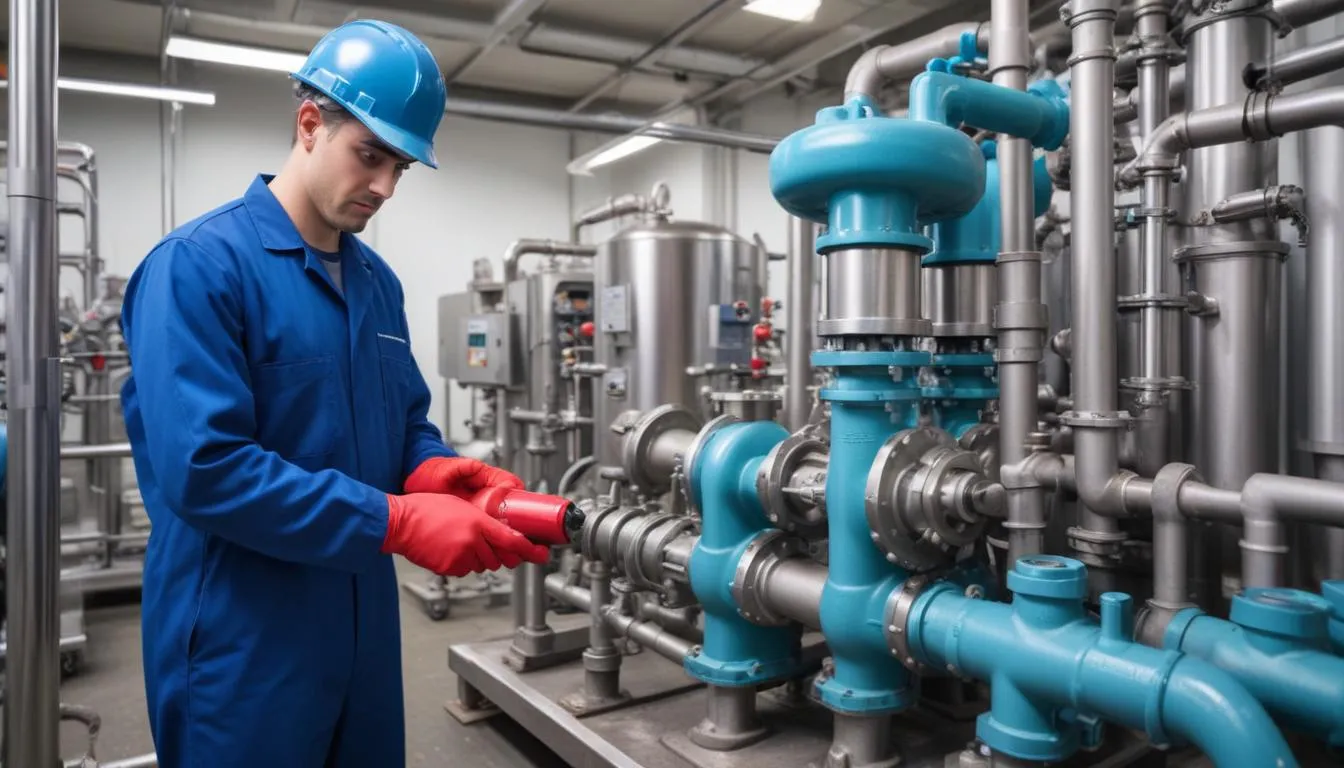 To maintain the optimal performance and longevity of food industry pumps, a structured maintenance plan is essential. Regular maintenance not only prevents breakdowns but also ensures that pumps operate efficiently while adhering to stringent safety regulations.
Implementing a proactive approach involves several critical steps:
- Routine Inspections: Schedule regular inspections of the pumps to check for any signs of wear and tear. This includes examining seals, bearings, and any other components that may be prone to failure over time. Inspections should follow a predetermined schedule based on the specific operational environment and pump usage.
- Cleaning Protocols: Establish thorough cleaning routines to prevent contamination. Pumps in the food industry must be sanitized effectively, especially after handling products that are prone to spoilage. Utilize food-safe cleaning agents that comply with industry regulations and ensure that all surfaces are free from residues.
- Lubrication: Follow the manufacturer’s guidelines for lubricating moving parts. Proper lubrication minimizes friction, which can lead to overheating and premature wear. Maintain a record of lubrication schedules and the types of lubricants used to ensure compliance with safety standards.
- Seal Replacements: Regularly replace seals and gaskets as part of maintenance best practices. These components are critical in preventing leaks and contamination, ensuring the integrity of the product being pumped. Monitor for any leaks and replace worn or damaged seals without delay.
- Operational Performance Checks: Routinely evaluate the pump’s operational parameters such as pressure, flow rate, and energy consumption. Any deviations from normal operating conditions may indicate underlying problems that need immediate attention.
In addition to these maintenance steps, it is vital to keep accurate records of all maintenance activities. This documentation contributes to compliance with regulations set forth by organizations like the FDA and USDA, providing valuable insights into the reliability of pump operations over time. These records can be beneficial during audits and help in identifying recurring issues that may need to be addressed in the maintenance plan.
Furthermore, training staff on proper maintenance techniques is imperative. Employees should understand the significance of maintaining food industry pumps, including the impact of efficient pumps on product quality and safety. Without proper training, there is a higher risk of human error, which can lead to significant operational problems.
To sum up, a well-defined maintenance strategy for food pumps revolves around regular inspections, thorough cleaning, timely replacements, and ongoing staff training. By prioritizing these practices, food processing facilities can optimize pump performance, ensure compliance with industry standards, and ultimately protect the safety and quality of food products.
Regulatory considerations for food industry pumps
In the food industry, adherence to regulatory standards is not just an obligation; it’s a fundamental component of operational integrity that directly affects product quality and consumer safety. Several regulatory bodies, including the FDA and USDA, dictate the guidelines that food industry pumps must adhere to. Ensuring compliance with these regulations is crucial for minimizing contamination risks and maintaining the safety of food products throughout the processing lifecycle.
Companies must ensure that all pumps used in food processing are constructed from materials that are compliant with food safety standards. Typically, this means utilizing materials such as stainless steel, which is durable and eases the compliance burden due to its non-corrosive properties. Additionally, all surfaces in contact with food products must be smooth and easily cleanable to prevent bacterial growth and contamination.
A vital aspect of meeting regulatory requirements involves rigorous documentation. Each pump should have maintenance records detailing inspections, cleaning schedules, and any repairs or replacements made. This documentation is especially important during inspections by regulatory agencies and can serve as proof that the company is consistently adhering to the necessary standards.
Furthermore, it’s essential to conduct thorough training sessions for staff working with pumps. Employees must be educated about the importance of regulatory compliance and the role it plays in food safety. They should understand how improper usage or maintenance can lead to violations that not only compromise product safety but can also result in severe legal penalties.
Compliance also extends to the operational practices surrounding pump use. Food industry pumps must be regularly calibrated and checked for performance metrics to ensure they are operating within required parameters. Monitoring flow rates, pressure, and temperature ensures that the pumps deliver food products effectively and safely without introducing hazards.
In addition to internal regulatory compliance, companies should stay informed about the evolving regulatory landscape. Engaging with industry organizations and attending relevant training or webinars can provide insights into new regulations affecting the food processing industry. Proactive compliance management helps organizations avoid costly penalties and recalls while fostering consumer trust in their products.
Here is a checklist to ensure compliance with regulations concerning food industry pumps:
- Verify that pump materials comply with FDA and USDA standards.
- Maintain comprehensive records of pump cleanings, inspections, and repairs.
- Train staff on regulatory requirements and the importance of compliance.
- Regularly calibrate pumps and monitor operational metrics.
- Stay updated on changes in regulations and industry best practices.
Following these steps can enhance the effectiveness of selection processes, allowing businesses in the food industry to maintain high standards of safety while ensuring compliance with essential regulations.