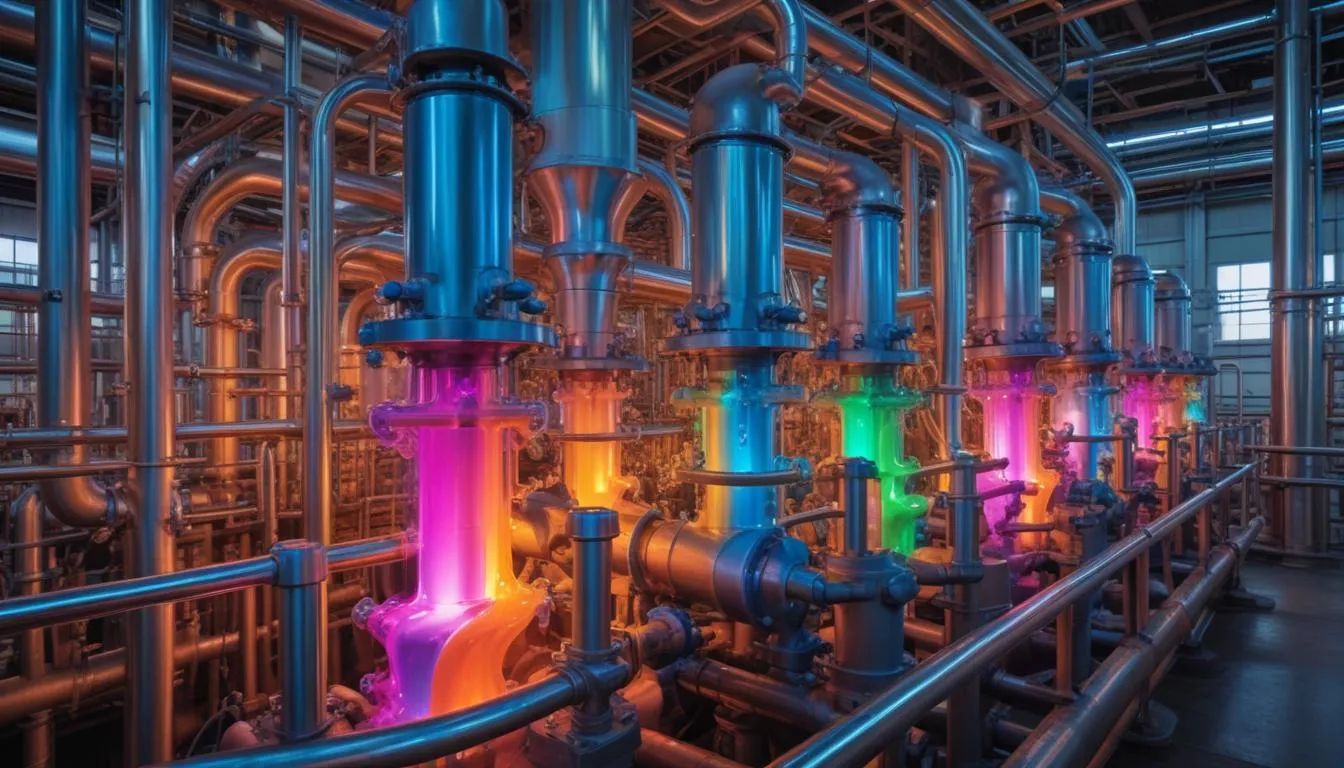
 In petrochemical processes, pumps play a critical role in the efficient transportation of fluids, which can include crude oil, refined products, and various chemicals. Understanding the functions and operational dynamics of these systems is essential for optimizing performance and addressing potential challenges.
Petrochemical pumps are utilized to move liquids through pipelines, process units, and storage tanks. Their design is influenced by the specific properties of the fluids they handle, such as viscosity, temperature, and corrosiveness. The most common types of pumps in this sector include centrifugal pumps, positive displacement pumps, and gear pumps. Each type serves distinct applications, but they all share the common goal of maintaining the flow and pressure required for various processes.
Challenges associated with petrochemical pump usage include managing the risk of leaks, ensuring reliability under high pressures, and dealing with the abrasive nature of some fluids. Operators must pay close attention to factors such as:
- Flow rate: The required volume of fluid to be moved per unit of time.
- Fluid characteristics: These include viscosity, temperature, and chemical properties that impact pump performance.
- Environment: The surrounding conditions in which the pump operates, which can affect wear and tear.
- Material selection: Choosing the right materials for the pump components to resist corrosion and erosion.
Moreover, proper sizing and selection of petrochemical pumps are critical in mitigating challenges such as cavitation and inefficient operation.
Regular assessment and understanding of operational parameters are necessary for enhancing the longevity and efficacy of pumping systems within petrochemical processes. Implementing these practices helps to reduce the risk of failures and downtime, which can have significant economic implications.
Types of Pumps Used in Petrochemical Applications
In petrochemical applications, several types of pumps are employed, each designed to cater to specific requirements of the fluids being transported. The selection hinges on various challenging factors, including the nature of the liquid, operational conditions, and the needed efficiency. Here are the predominant types of pumps utilized in the industry:
- Centrifugal Pumps: This is the most widely used type in petrochemical processes due to their ability to handle large volumes of fluids at high flow rates. They operate by converting rotational energy from a motor into kinetic energy, which propels the liquid. These pumps excel in transferring liquids with low viscosity and are typically used in applications such as crude oil transfer and refinery operations.
- Positive Displacement Pumps: This category includes gear pumps, diaphragm pumps, and screw pumps. They work by trapping a fixed amount of fluid and then forcing it through the discharge line. Positive displacement pumps are ideal for moving viscous fluids or those with high solid content, which may be present in various petrochemical applications. Examples include polymer processing and lubricants transfer.
- Gear Pumps: A subset of positive displacement pumps, gear pumps are effective for viscous fluids and are widely used in applications that require precise flow measurements. Their robust design makes them suitable for high-pressure environments often found in petrochemical facilities.
- Diaphragm Pumps: These pumps use a diaphragm that flexes to create a vacuum and draw liquid in. They are perfect for handling corrosive fluids and slurries, linking them to applications requiring high levels of safety and reliability in transfer operations.
- Peristaltic Pumps: Ideal for handling shear-sensitive fluids, peristaltic pumps are particularly useful in processes involving biochemical materials. The pump operates by compressing and releasing a flexible tube, which facilitates smooth transport without contaminating the fluid.
When evaluating the appropriate pump for petrochemical usage, several challenges must be considered:
- Fluid Compatibility: The pump material must resist corrosion and degradation caused by aggressive chemicals.
- Operational Flexibility: Pumps should be able to adapt to fluctuations in flow rates and pressures typical in petrochemical operations.
- Energy Efficiency: As energy costs rise, utilizing pumps that provide optimal performance with lower power consumption becomes crucial.
- Maintenance Requirements: Operators should assess the ease of maintenance and the availability of spare parts to minimize downtime.
By understanding these pump types and the associated challenges, operators in the petrochemical industry can optimize their processes and enhance operational efficiency. Additionally, the correct type of pump significantly impacts overall system reliability and productivity, making informed decisions paramount for successful operations.
Selection Criteria for Petrochemical Pumps
When selecting pumps for petrochemical applications, several critical criteria must be taken into account to ensure optimal performance and reliability. The choice of pump affects not only operational efficiency but also the safety and sustainability of processes. Consider the following key selection criteria:
- Process Requirements: Understanding the specific needs of the process is paramount. This includes evaluating parameters such as flow rate, pressure, and temperature. These factors directly affect which pump type is most suitable, with certain pumps better equipped to handle different fluid states and behaviors.
- Fluid Properties: The characteristics of the fluid being pumped—including viscosity, corrosiveness, and chemical composition—play a vital role in the pump selection. For instance, viscous fluids might necessitate positive displacement pumps, while low-viscosity fluids can be efficiently managed by centrifugal pumps.
- Energy Efficiency: As the petrochemical industry looks to reduce operational costs and environmental impact, selecting energy-efficient pumps becomes increasingly important. Look for pumps designed to minimize power consumption while maintaining performance to help lower overall running costs.
- Durability and Material Compatibility: Given the harsh working conditions often found in petrochemical environments, the choice of materials is crucial. Pumps must be constructed from corrosion-resistant materials to withstand chemical exposure and ensure longevity. Stainless steel and composite materials are often favored for their resilience.
- Maintenance Considerations: The ease of maintenance is a significant factor in pump selection. Some pumps remain operational with minimal upkeep, while others require regular interventions. Selecting pumps with accessible designs and a readily available supply of spare parts can prevent prolonged downtime caused by maintenance issues.
- Technology and Automation: The integration of modern technology can enhance the performance of petrochemical pumps. Selecting pumps that offer automation features can lead to improved monitoring, efficiency, and performance analytics, making it easier to manage and optimize usage across different applications.
- Compliance and Safety Standards: Ensure that the chosen pumps meet all regulatory compliance and safety standards pertinent to the specific petrochemical operation. This consideration is especially critical given the potentially hazardous nature of the fluids and processes involved.
Incorporating these criteria into the decision-making process helps in identifying the right petrochemical pumps for the specific applications, thereby addressing common usage challenges and enhancing overall operational reliability. By doing so, operators can better mitigate risks associated with failures, leaks, and inefficiencies that may arise during pump operation.
Maintenance Best Practices for Optimal Performance
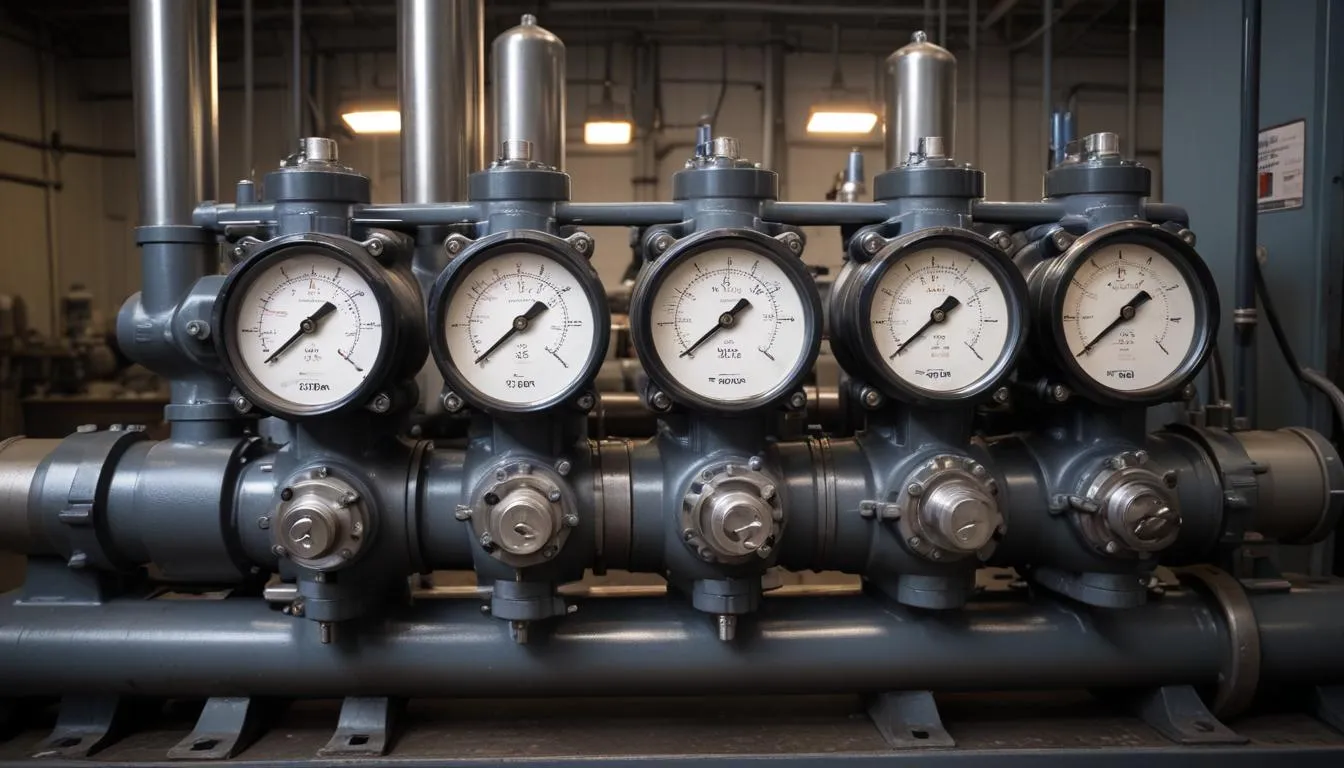 Maintaining petrochemical pumps in optimal condition is essential for ensuring their efficient operation and longevity. Implementing best practices in maintenance can significantly reduce the risk of failures, enhance performance, and extend the operational lifespan of these critical assets. Here are some key maintenance best practices for achieving optimal pump performance:
- Regular Inspections: Conduct routine visual and operational inspections to identify potential issues before they escalate. Look for signs of leakage, unusual vibrations, or abnormal sounds that may indicate wear or malfunction. Establishing a standardized inspection schedule helps maintain a consistent approach to monitoring pump health.
- Monitoring Fluid Conditions: Regularly assess the condition of the fluids being pumped. Monitor fluid properties such as viscosity, temperature, and chemical composition. Changes in these properties could impact pump performance and may require adjustments or interventions to ensure optimal functioning.
- Lubrication Management: Proper lubrication is critical for reducing friction and wear on moving parts within the pump. Ensure that lubricants are compatible with the fluids being handled and that they are applied according to manufacturer specifications. Regularly check lubricant levels and replace them as necessary to avoid equipment damage.
- Sealing System Checks: Inspect seals and gaskets regularly to prevent leaks, which can pose operational risks and lead to costly downtime. Replace any compromised seals immediately to maintain system integrity and prevent further damage to the pump.
- Alignment and Coupling Adjustments: Regularly check the alignment of the pump and motor to prevent undue wear on bearings and other components. Misalignment can lead to increased vibration and decreased efficiency. Ensure that couplings are securely fastened and functioning properly.
- Calibration of Control Systems: If the pump operates with automated systems or variable frequency drives (VFDs), calibrate these systems regularly to ensure they match operational requirements. Misconfigured systems can lead to inefficient performance and increased wear on components.
- Condition Monitoring Technologies: Incorporate advanced monitoring technologies such as vibration analysis, thermal imaging, and ultrasonic testing. These technologies enable early detection of potential issues and provide valuable data on pump performance, allowing for proactive maintenance strategies.
- Training and Education: Ensure that operational staff are well-trained in pump maintenance protocols and familiar with the particular challenges associated with petrochemical pumps. Continuous education can help staff identify issues early and understand best practices in day-to-day operations.
- Documentation and Record-Keeping: Maintain accurate records of all maintenance activities, inspections, and any issues encountered. This documentation aids in identifying trends over time and can inform long-term maintenance strategies, making it easier to plan for replacements or upgrades.
Implementing these maintenance best practices not only maximizes the performance of petrochemical pumps but also mitigates the challenges associated with their usage. By proactively managing these systems, operators can enhance reliability, reduce operational downtime, and ultimately lead to more efficient petrochemical processes.
Future Trends in Pump Technology for Petrochemicals
As the petrochemical industry continues to evolve, several trends are shaping the future of pump technology, particularly in the area of petrochemical pumps. Innovations are aimed at enhancing efficiency, reliability, and environmental sustainability while addressing ongoing challenges in fluid handling. Below are some emerging trends to watch:
- Advanced Materials: The development of new materials that offer superior resistance to corrosion, wear, and temperature extremes is paving the way for more durable pumps. Innovations like high-performance polymers and advanced composites are being integrated into pump design, allowing them to handle aggressive chemicals without compromising performance.
- Smart Pumps and IoT Integration: The rise of the Internet of Things (IoT) is leading to the development of ‘smart’ pumps equipped with sensors and communication capabilities. These pumps can collect real-time data on operating conditions, enabling predictive maintenance strategies that can help anticipate failures before they occur, thereby minimizing downtime and operational challenges.
- Energy Efficiency and Sustainability: There is a growing emphasis on energy-efficient pumps that can operate at higher efficiencies. Pump manufacturers are focusing on designing models that reduce energy consumption significantly, which not only lowers costs but also aligns with global sustainability goals. Technologies such as variable frequency drives (VFDs) are being increasingly adopted to optimize energy use.
- Modular Pump Design: The trend towards modularity in pump design allows for more flexible configurations and easier upgrades. Modular pumps can be tailored to meet specific application needs, making it easier for operators to adapt to changing requirements in petrochemical processes while simplifying maintenance and replacement challenges.
- Improved Safety Features: With the handling of hazardous fluids, safety remains a top priority in pump design. New pumps are being developed with enhanced safety features, including better sealing technologies, fail-safe mechanisms, and monitoring systems to detect leaks or pressure changes. This focus on safety helps address the potential risks associated with petrochemical usage.
- Artificial Intelligence in Pump Operations: Incorporating artificial intelligence (AI) into pump management systems allows for more intelligent decision-making regarding operation and maintenance. AI can analyze large volumes of data to optimize pump performance, troubleshoot issues dynamically, and predict the need for maintenance based on historical data, significantly reducing operational challenges.
These trends represent a shift towards more efficient, reliable, and intelligent pump systems within the petrochemical sector. By embracing these advancements, companies can improve their operational efficiency and tackle the challenges associated with fluid handling in petrochemical applications.