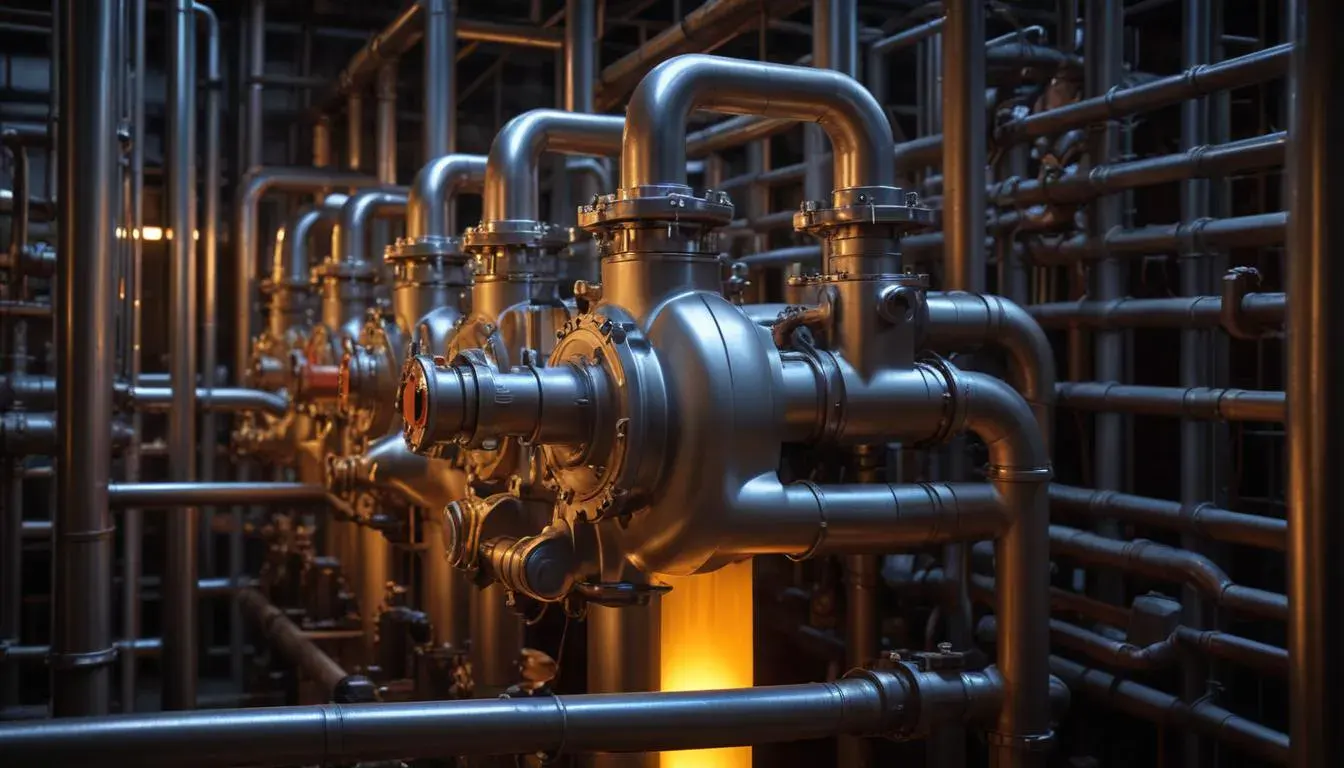
 Pump insulation provides numerous advantages that enhance the efficiency and performance of pumping systems. One of the primary benefits of using pump insulation is the significant reduction in heat loss. By minimizing heat transfer, insulation helps maintain the desired temperature of the fluid being pumped, which is especially critical in applications involving hot liquids. This not only enhances operational efficiency but also decreases energy consumption, leading to lower operating costs.
Another notable aspect of pump insulation is its ability to reduce condensation. In environments where temperatures fluctuate, condensation can form on uninsulated pipes, leading to corrosion and potential damage over time. Proper insulation effectively mitigates this risk, extending the lifespan of equipment and preventing costly repairs.
Safety is also a key consideration; insulated pumps help prevent accidental burns when operators are in proximity to hot surfaces. Moreover, with noise control being a growing concern in many industries, pump insulation plays a vital role in reducing noise levels generated during operation, thereby creating a more comfortable work environment.
Beyond these advantages, different types of insulation materials are available to cater to varied application needs. Common materials include fiberglass, foam rubber, and mineral wool, each with unique properties that contribute to their effectiveness.
In summary, the benefits of pump insulation extend beyond mere energy savings to include enhanced safety, minimized maintenance, and improved overall system performance, making it an essential consideration in any pumping system design.
Types of insulation materials
When it comes to selecting appropriate materials for pump insulation, several options are available, each offering distinct advantages depending on the specific requirements of the application. Understanding the types of insulation materials can help ensure optimal performance and longevity of pumping systems.
- Fiberglass Insulation: Widely used due to its excellent thermal resistance and affordability, fiberglass is made from fine glass fibers, which trap air and act as insulators. It is particularly effective at preventing heat loss in hot fluid applications. Fiberglass insulation is also resistant to moisture and fungus, making it a popular choice for industrial settings. However, care must be taken during installation as loose fibers can pose health risks.
- Foam Rubber: This flexible insulation material is ideal for irregularly shaped pipes and fittings. Foam rubber provides a good balance of thermal insulation and sound dampening, making it an excellent option for reducing operational noise. It is lightweight and easy to install, though its effectiveness may diminish in extremely high-temperature scenarios.
- Mineral Wool: Known for its fire-resistant properties, mineral wool insulation is made from natural rock and slag fibers. It can withstand high temperatures and is suited for applications that involve high-risk environments, such as power plants. Additionally, mineral wool is water-resistant, which helps prevent mold and mildew, extending the insulation’s lifespan.
- Polyethylene Foam: This closed-cell insulation material offers excellent moisture resistance and thermal protection. It is lightweight and easy to handle, often used in less demanding applications where cost efficiency is a priority. Polyethylene offers a good benefit of sound absorption, thus reducing operational noise.
- Reflective Insulation: Commonly used in conjunction with other insulation types, reflective insulation works by reflecting radiant heat away from the pump system. This is particularly effective in applications involving high ambient temperatures and can significantly enhance energy efficiency.
Choosing the right insulation material involves considering factors such as the temperature range of the fluid being pumped, environmental conditions, and specific safety requirements. Properly evaluating these options can lead to heightened efficiency and lower energy costs in pump operations, ultimately benefiting the overall system.
Installation techniques for effective insulation
Effective installation of pump insulation is crucial to achieving optimal performance and maximizing the benefits of the materials employed. Proper techniques ensure that the insulation is not only fitted correctly but also maintains its integrity over time, consequently enhancing thermal efficiency, reducing energy costs, and prolonging equipment lifespan.
Start by preparing the surface of the pump and connected piping. Ensure that all surfaces are clean, dry, and free from dust, grease, or corrosion. This step is essential as any contaminants can impair the adhesion of insulation materials and lead to premature failure.
Next, measure and cut the insulation to fit snugly around the pump components and piping. It is important to take accurate measurements to minimize gaps that can lead to heat loss or the formation of condensation. For irregular shapes, consider using flexible insulation materials such as foam rubber that can easily contour to the required shapes for a perfect fit.
When applying fiberglass insulation, it is advisable to use a protective outer jacket to maintain the insulation’s performance and protect it from moisture and physical damage. Wrap the insulation around the pump and secure it with tape or bands, ensuring that there are no exposed areas. For enhanced thermal performance, consider installing an additional layer of reflective insulation over the primary insulating material to further inhibit heat transfer.
For high-temperature applications or environments exposed to harsh conditions, integrate a vapor barrier when installing insulation. This prevents moisture penetration that can compromise insulation performance and lead to corrosion of underlying materials.
Utilize proper fastening techniques by using appropriate fasteners, such as stainless steel bands or straps, that will not corrode over time. Ensure these fasteners are tightened adequately to maintain the insulation’s position without crushing the material, which would degrade its insulating characteristics.
Regularly inspect the insulation for signs of wear and damage. During routine maintenance checks, look for gaps, tears, or signs of moisture accumulation that could indicate failure. Promptly address any issues found to prevent cascading effects on overall system efficiency.
Incorporating these installation techniques ensures that the pump insulation effectively serves its purpose, safeguarding against energy loss and extending the life of both the insulation material and the pumping system. By maintaining proper installation practices, operators can enjoy the full spectrum of benefits offered by high-quality pump insulation, including energy efficiency, safety, and reduced operational costs.
Maintenance and inspection tips
 Maintaining and inspecting pump insulation is critical to ensuring both operational efficiency and longevity of the insulation system. Regular maintenance not only helps in identifying potential issues early but also enhances the overall performance of the pump systems.
One of the first steps in maintenance is establishing a routine inspection schedule. Inspections should be done at regular intervals or after significant temperature changes, system updates, or maintenance events. During these inspections, operators should check for any visible signs of damage or degradation in the insulation material. This includes looking for:
- Physical Damage: Examine the insulation for cracks, tears, or punctures that can compromise its thermal performance.
- Moisture Accumulation: Look for any wet spots or signs of condensation on the insulation surface, indicating a potential failure in the insulation or nearby piping.
- Air Gaps: Confirm that all joints and seams in the insulation are properly sealed to prevent air leaks that can allow heat loss.
If any issues are identified during routine inspections, it’s essential to address them immediately. For minor damages, local repairs can be made using appropriate insulation materials. For example, in the case of fiberglass insulation, damaged sections can be cut away and replaced with new material. Ensure that the new insulation is securely fitted to maintain thermal efficiency.
In addition to regular inspections, operators should also keep track of the history of repairs and maintenance activities. Documenting past interventions can help in identifying patterns that may inform future maintenance strategies. This documentation should include dates, descriptions of repairs, types of insulation materials used, and any observations or recommendations for improvement.
Another critical practice in maintenance is cleaning the insulation and surrounding areas. Keeping the insulation free from dirt, grease, and excessive moisture not only extends its lifespan but also prevents any potential hazards. Operators should use appropriate cleaning agents that do not damage the insulation material.
As part of the ongoing maintenance, it’s also advisable to review the thermal performance of the pump insulation periodically. This can involve using infrared thermography to detect any heat losses or anomalies in temperature distribution around insulated components. Regular assessments using this technology can reveal inefficiencies and guide corrective actions effectively.
Lastly, education and training for operational staff on the importance of pump insulation and maintenance practices can enhance overall effectiveness. Proper awareness allows operators to recognize potential issues early and take proactive measures, ensuring that the installation continues to provide the numerous benefits associated with effective pump insulation.
By integrating these maintenance and inspection tips into standard operating procedures, companies can safeguard the performance and efficiency of their pumping systems, thereby achieving significant long-term savings in energy and operational costs.
Common challenges and solutions in pump insulation
Common challenges arise in pump insulation that can affect the overall effectiveness and longevity of the insulation system. Identifying these challenges and knowing the right solutions are crucial for maintaining optimal performance.
One common issue is moisture retention. Over time, insulation materials can absorb moisture, especially in environments with high humidity or condensation. This leads to a decrease in thermal performance and can promote the growth of mold or mildew. To combat this issue, using vapor barrier materials during installation is crucial. Additionally, regularly inspecting insulation for signs of moisture and promptly addressing any leaks or condensation issues can help maintain effectiveness.
Another significant challenge is physical damage to the insulation material. Insulation can be crushed or compromised by external forces, such as contact with tools, machinery wear, or environmental factors. To mitigate damage, consider using protective covers over vulnerable areas, particularly in high-traffic zones or where equipment is serviced frequently. Installing robust outer jackets or casings can provide an additional layer of protection.
Air gaps between joints and seams also present a challenge in maintaining thermal efficiency. These gaps can lead to significant heat loss, negating the benefits of insulation. Proper installation techniques are critical to avoid this issue, ensuring that insulation is cut accurately and fitted snugly without any gaps. Using caulking or adhesive sealants at joints can further enhance sealing to prevent air movement.
Another challenge involves the selection of appropriate insulation materials. Certain insulation types may not be suitable for all applications or environments, leading to premature failure. For example, using foam rubber insulation in high-temperature environments can result in degradation. To address this, assess the specific requirements of the pump system and choose insulation materials that are rated for the operating conditions. For high-risk or extreme environments, consider materials like mineral wool or specially engineered high-temperature insulation.
Finally, maintenance and inspection lapses can result in inefficiencies. Without regular checks, small issues can escalate into significant problems. Establishing a comprehensive maintenance plan with scheduled inspections and a checklist of items to monitor can help ensure that insulation remains intact. Training personnel on inspection protocols and the importance of timely maintenance can drive proactive approaches to insulation care.
Incorporating solutions to these common challenges can enhance the overall performance and efficiency of insulation systems in pumping applications. By prioritizing proper materials, installation techniques, and maintenance, operators can maximize the benefits of pump insulation while minimizing operational disruptions.