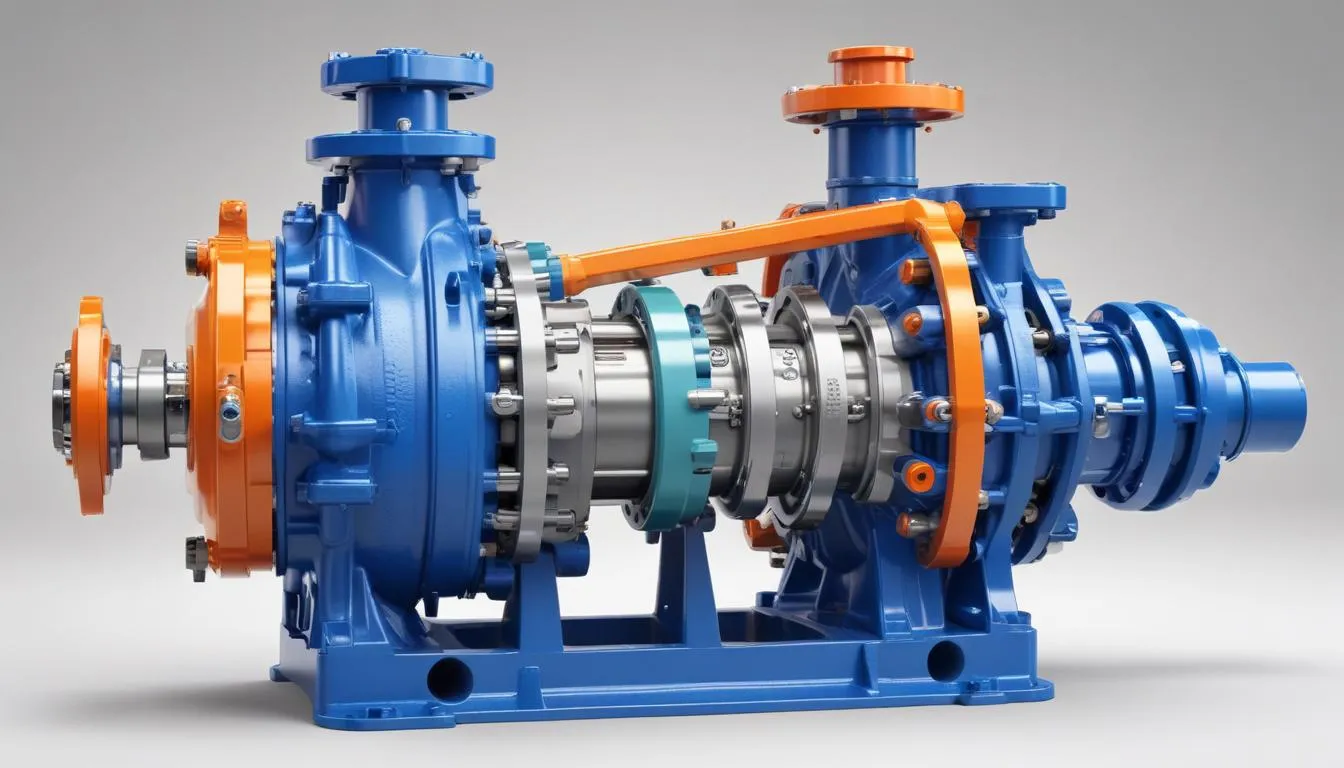
 Liquid transfer pumps come in various types, each designed to cater to specific applications and requirements. Understanding the different types can significantly assist users in selecting the most suitable pump for their needs. Below are the primary categories of liquid transfer pumps:
- Positive Displacement Pumps
- These pumps operate by trapping a fixed amount of liquid and forcing it into the discharge pipe. They are known for delivering a consistent flow rate regardless of changes in pressure. Common examples include gear pumps and diaphragm pumps.
- Centrifugal Pumps
- Centrifugal pumps utilize a rotating impeller to create centrifugal force, pushing liquid from the intake to the discharge. They are ideal for applications requiring high flow rates, such as water transfer and irrigation.
- Submersible Pumps
- These pumps are designed to operate while submerged in the liquid being pumped. They are commonly used for draining, sewage pumping, and groundwater extraction.
- Diaphragm Pumps
- These pumps use a flexible diaphragm that moves back and forth to create a pumping action. They are especially useful for pumping viscous materials and are often employed in chemical and food applications.
- Peristaltic Pumps
- A peristaltic pump operates by squeezing and releasing a flexible tube, pushing liquid through it. This type is highly effective for transferring sterile fluids and is commonly used in laboratory settings and food processing.
- Vacuum Pumps
- These pumps remove air and gases from a sealed chamber to create a vacuum. They are essential in many industrial processes where reduced pressure is required.
When selecting a liquid transfer pump, it’s essential to consider the specific requirements of your application, including flow rate, pressure, viscosity, and chemical compatibility. Each type of pump serves unique purposes, making a thorough understanding of these options crucial for optimal performance and efficiency.
How to choose the right pump
When choosing the right pump, several key factors must be taken into account to ensure optimal performance and efficiency in your operation. Understanding the specific requirements of your application will aid in the selection process. Here are some critical considerations:
- Flow Rate:
- Determine the required flow rate for your application. This is typically measured in gallons per minute (GPM) or liters per minute (LPM). Different types of liquid transfer pumps are designed to handle specific flow rates, so it is crucial to select one that meets your needs.
- Pressure Requirements:
- Consider the discharge pressure that the pump must overcome. Some applications may require high pressure to deliver fluids effectively, while others may not need much pressure at all. Positive displacement pumps generally handle higher pressures effectively.
- Viscosity of the Liquid:
- Evaluate the viscosity of the liquid you will be transferring. Viscous liquids require pumps that are specifically designed to handle thicker fluids without losing efficiency. Diaphragm and gear pumps are commonly used for this purpose.
- Chemical Compatibility:
- Ensure that the materials used in the pump construction are compatible with the liquids being transferred. Corrosive or abrasive substances may necessitate specialized pumps made from resistant materials to prevent damage.
- Power Source:
- Identify the preferred power source for the pump. Liquid transfer pumps can be electric, pneumatic, or manual. Selecting the right power source may depend on application constraints, available power supplies, and specific operating conditions.
- Portability:
- Consider whether the pump needs to be portable. If your application involves moving the pump frequently, lightweight and compact designs are ideal. Submersible and peristaltic pumps often offer convenient portability features.
- Cost and Maintenance:
- Evaluate your budget and account for long-term maintenance costs. Some pumps may have lower initial costs but require extensive maintenance or replacement parts, while others may have a higher upfront cost but lower maintenance demands.
Assessing these factors will assist you in narrowing down the types of liquid transfer pumps available in the market. By aligning your pump selection with the specific demands of your application, you can ensure reliability and effectiveness in your fluid transfer processes.
Installation and setup guide
When it comes to installing and setting up liquid transfer pumps, adhering to proper procedures is essential for ensuring optimal performance and longevity. Here are systematic steps and important considerations to guide you through the installation and setup process.
1. Location Selection:
– Choose a suitable location for the pump that is close to the liquid source and the discharge point. Ensure it is in a stable, ventilated area free from excessive moisture and debris.
– Check the ground conditions; the surface should be level and capable of supporting the weight of the pump and any liquid it may be holding.
2. Pre-installation Checks:
– Inspect the pump and accessories upon delivery for any signs of damage or missing parts. Ensure you have all necessary tools and components required for installation.
– Verify that the pump specifications (e.g., flow rate, pressure ratings) match the requirements of your application.
3. Pipe and Hose Connections:
– Use the appropriate diameter pipes or hoses that match the inlet and outlet sizes of your liquid transfer pump. Poorly sized connections can lead to decreased efficiency and increased wear.
– Utilize thread sealants or Teflon tape on threaded connections to ensure leak prevention. For hose connections, secure them firmly with appropriate clamps to avoid slippage.
4. Electrical or Power Connections:
– For electric pumps, ensure that the power supply is compatible with the pump voltage and phase. Utilize an appropriate electrical circuit with overload protection to prevent electrical issues.
– For pneumatic pumps, ensure proper air supply routing and make necessary connections, adhering to safety regulations regarding pressure ratings.
5. Priming the Pump:
– Depending on the pump type, it may be necessary to prime the pump before use. Follow specific instructions from the manufacturer regarding how to properly fill the pump and associated pipes with liquid to prevent dry running.
6. Testing the System:
– After installation, conduct a system test by turning the pump on and monitoring flow rates and pressure. Inspect for leaks or abnormal noises that could indicate installation issues.
– Allow the pump to run for a few minutes while observing its performance, ensuring that it operates smoothly and within its rated specifications.
7. Safety Protocols:
– Implement safety measures, including wearing protective equipment when handling the pump and liquids involved. Adhere to guidelines provided by the pump manufacturer regarding safeguards against hazardous fluids and pressures.
– Establish a clear emergency response protocol in case of leaks or spills during operation. Ensure that all personnel involved in the operation are familiar with these protocols.
8. Documentation:
– Keep a detailed record of installation, including diagrams of the system layout, maintenance logs, and any manufacturer specifications. This documentation is vital for troubleshooting and future maintenance.
Proper installation and setup of your liquid transfer pump can significantly improve its performance and lifespan. By following these steps and regularly monitoring the system during operation, you can ensure that you make the most of your pump investment and achieve successful fluid transfer in your applications.
Maintenance tips for longevity
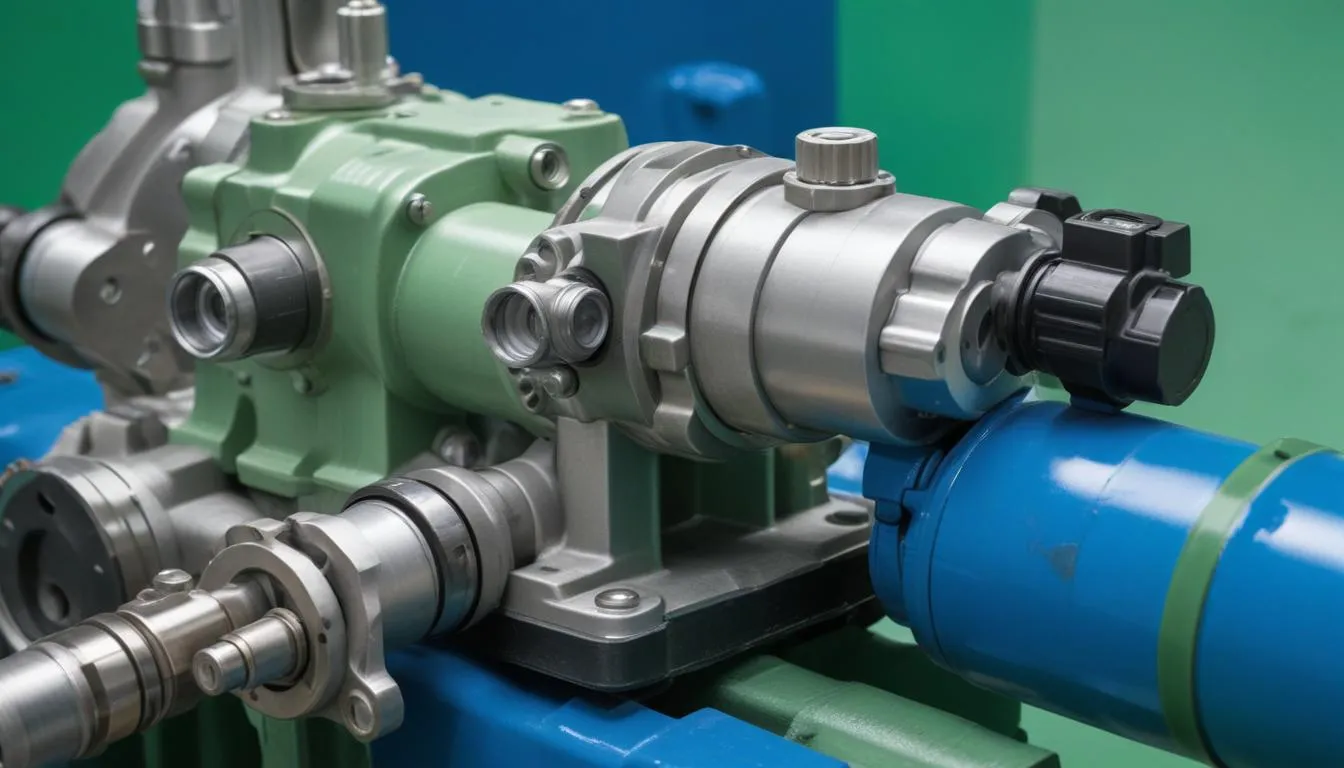 Regular maintenance of liquid transfer pumps is crucial for ensuring their longevity and optimal performance in various applications. Implementing consistent check-ups and care routines can significantly reduce the risk of breakdowns and enhance the pump’s efficiency. Here are essential maintenance tips to help keep your pump in prime condition:
1. Routine Inspections:
– Schedule periodic inspections to check for signs of wear or damage. Look for leaks, unusual noises, vibrations, or overheating, which may indicate underlying issues.
– Inspect seals, gaskets, and hoses for wear, and replace them promptly to prevent leaks and inefficiencies.
2. Cleaning and Debris Removal:
– Regularly remove any debris or buildup around the pump’s intake and discharge areas to ensure smooth operation. Blockages can restrict flow and lead to higher operational strain.
– For centrifugal pumps, clean the impeller and casing periodically to prevent clogs and ensure efficient fluid movement.
3. Fluid Quality Monitoring:
– Regularly check the quality of the liquid being pumped. Contaminated or corrosive fluids can cause significant damage over time, especially if the pump materials are not compatible.
– Change the fluid as necessary, particularly in applications involving substances that degrade over time or with exposure to air.
4. Lubrication:
– Ensure that all moving parts are adequately lubricated according to the manufacturer’s guidelines. Insufficient lubrication can lead to increased friction and wear, reducing the pump’s lifespan.
– Use the recommended type of lubricant for your specific pump model and application to avoid compatibility issues.
5. Monitoring Operational Conditions:
– Regularly monitor the pump’s operating conditions, including flow rates and pressure levels. Deviations from normal operating ranges can indicate service needs.
– Maintain the recommended operating temperature and pressure to prevent overheating or unnecessary strain on the pump.
6. Alignment and Installation Checks:
– Periodically check the alignment of the pump with the motor or engine. Misalignment can lead to excessive wear on bearings and seals.
– Confirm that all connections, including bolt tension and pipe fittings, are secure and leak-free.
7. Professional Servicing:
– Engage with a professional for extensive maintenance practices or repairs. Depending on the pump type, some tasks may require specialized knowledge and equipment to ensure thorough servicing.
– Establish a relationship with a reliable service provider for timely support and assistance.
8. Documentation and Record Keeping:
– Keep a detailed maintenance log for tracking inspections, repairs, and upgrades. Documentation aids in identifying recurring issues and provides a clear history for future references.
– Make notes on parts replaced, lubrication schedules, and inspection findings, which are valuable for personnel managing the pump systems.
By following these maintenance tips, you can enhance the longevity of your liquid transfer pumps and ensure they operate effectively in various applications. Regular care not only minimizes downtime but also maximizes efficiency and productivity.
Common applications and use cases
Liquid transfer pumps are utilized in a wide range of applications across diverse industries, making them indispensable tools for various operational requirements. Understanding these applications can help users select the appropriate pump type and ensure it meets their specific needs. Here are some common applications and use cases for liquid transfer pumps:
- Industrial Manufacturing:
- Liquid transfer pumps are extensively used in manufacturing processes to transfer chemicals, lubricants, and cooling fluids. Their reliability and efficiency contribute to maintaining production flow.
- Agriculture:
- In agriculture, pumps are crucial for irrigating crops and transferring fertilizers. Centrifugal pumps and positive displacement pumps are commonly employed to move large volumes of water and nutrient solutions.
- Food and Beverage:
- Diaphragm and peristaltic pumps are often utilized in the food and beverage industry for transferring liquids such as juices, sauces, and dairy products. These pumps are favored for their ability to handle viscous materials while ensuring hygiene and safety.
- Chemical Processing:
- Liquid transfer pumps play a vital role in the chemical processing sector, transporting corrosive solvents and chemicals. It’s important to choose pumps made from materials compatible with the substances being handled, such as polypropylene or stainless steel.
- Water and Wastewater Management:
- In water treatment facilities, submersible and centrifugal pumps are used to move water through filtration systems and treatment processes. They are essential for managing wastewater, ensuring efficient circulation and drainage.
- Pharmaceuticals:
- In the pharmaceutical industry, liquid transfer pumps ensure precise dosing and sterile transfer of liquids during production. Pumps that offer high hygiene standards, such as peristaltic pumps, are preferred for their ease of cleaning and maintenance.
- Mining and Oil & Gas:
- In mining and oil extraction, pumps are critical for transferring slurries and crude oil. Positive displacement pumps are commonly used in these sectors due to their ability to handle thick and viscous fluids effectively.
These applications highlight the versatility and essential role of liquid transfer pumps in various industries. By understanding the specific requirements of each application, users can effectively choose the right type of pump to optimize performance and efficiency in their operations.