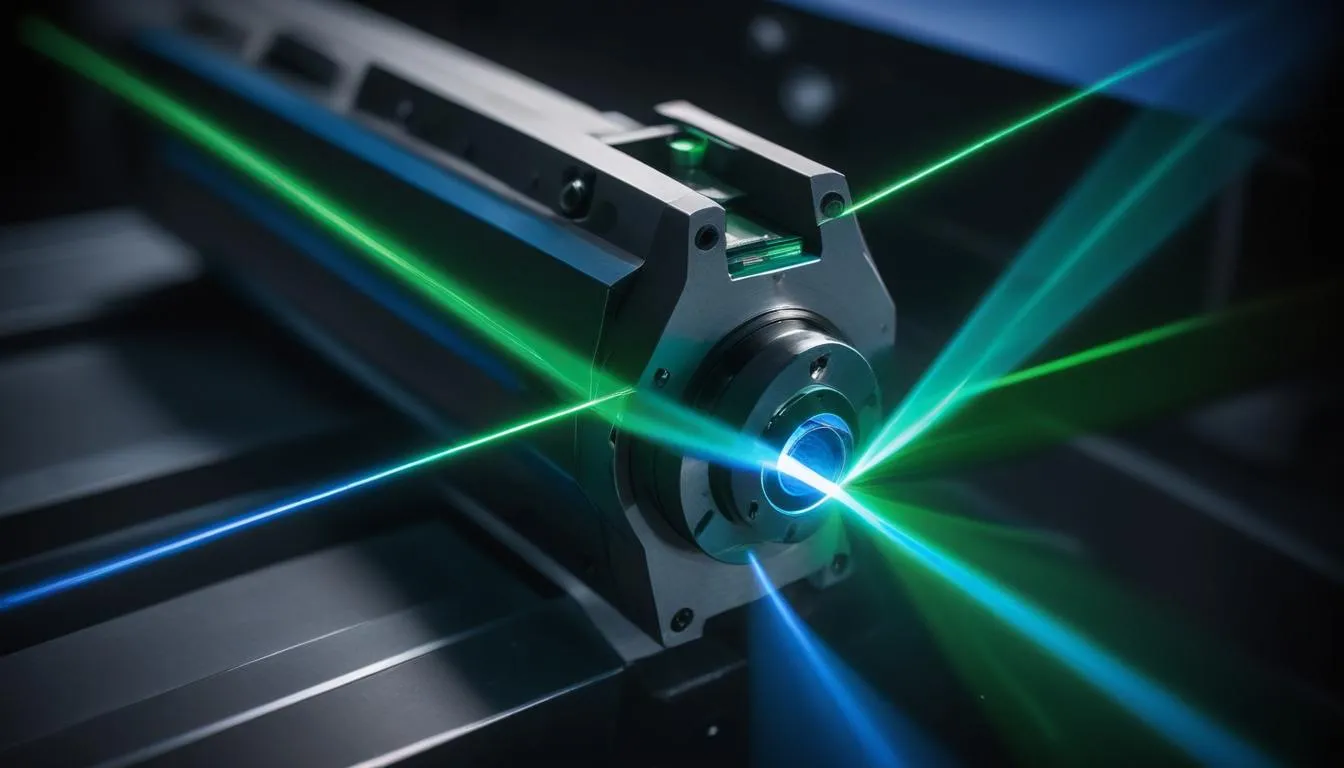
 Pump alignment is a critical process that ensures the optimal performance and longevity of pump systems. Proper alignment minimizes wear and tear on components, reduces energy consumption, and prevents premature failure. Misalignment can lead to increased vibration, higher maintenance costs, and operational inefficiencies.
To grasp the significance of this procedure, it’s essential to understand the different forms of misalignment that can occur. They can be categorized as:
- Angular misalignment: This occurs when the shafts are not aligned on the same axis but at an angle to each other.
- Parallel misalignment: This happens when the shafts are parallel but are offset, not in alignment horizontally or vertically.
- Combined misalignment: This is a situation where both angular and parallel misalignment occur simultaneously.
The methods employed for achieving proper pump alignment can vary. Typically, the following techniques are utilized:
- Laser Alignment: A high-precision method that uses laser beams to measure the alignment between shafts.
- Dial Indicator Method: This mechanical technique employs dial indicators to assess the alignment of the pump and motor shafts.
- Straightedge and Feeler Gauges: An older, yet still acceptable method that involves using a straightedge to check alignment visually.
Recognizing the importance of proper pump alignment can lead to significant cost savings and operational efficiency. Regularly scheduled alignment checks should be a part of routine maintenance to catch and correct misalignment before it leads to serious issues. Using the right techniques can vastly improve the performance and reliability of your pump systems, prolonging their lifespan and enhancing overall productivity.
Common alignment methods
The methods employed for achieving proper pump alignment can vary. Typically, the following techniques are utilized:
- Laser Alignment: This is one of the most accurate methods available, using laser beams to measure the alignment between the shafts. The process involves the placement of a laser emitter on one shaft and a receiver on the opposite shaft, allowing for precise readings on any misalignment. This technique significantly reduces the chances of human error and is ideal for high-speed applications.
- Dial Indicator Method: A reliable mechanical approach that uses dial indicators to measure the distance between two reference points on the shaft. By rotating the shaft and taking measurements at different points, operators can determine the extent of misalignment and make necessary adjustments. This method is valued for its precision in less accessible spaces.
- Straightedge and Feeler Gauges: While considered an older method, it remains effective for initial checks. This technique involves placing a straightedge across the pump and motor flanges, using feeler gauges to check for gaps. Although not as precise as modern methods, it can still provide a quick assessment of alignment and can be useful in emergency situations.
- Optical Alignment: Utilizing optical instruments, this method involves measuring the vertical and horizontal alignment visually. This process can be beneficial in situations where laser or mechanical tools are unavailable, offering a quick way to assess alignment by sighting through the instrument’s scope.
- Use of Software-Based Tools: Emerging technologies incorporate software applications that guide users through the alignment process. These tools can analyze readings from various alignment methods, providing comprehensive results and visual representations to illustrate the degree of misalignment and suggested corrective actions.
Ensuring that the chosen method aligns with the specific requirements of the pump and its environment enhances the importance of these techniques. Each method has its own advantages and limitations, often dictated by factors such as accessibility, budget, and precision needs. Regular assessment using these alignment methods safeguards against mechanical failure and operational disruptions, ultimately maintaining efficiency and extending the lifespan of the pump systems involved.
Tools and equipment for alignment
To achieve effective pump alignment, utilizing the appropriate tools and equipment is paramount. These tools not only aid in the alignment process but also enhance accuracy and reliability, which are essential for optimal pump performance. Below is a comprehensive list of essential tools and equipment commonly used in pump alignment:
| Tool/Equipment | Description | Importance |
|---|---|---|
| Laser Alignment Tools | Involves a laser emitter and detector set up on opposite shafts to measure alignment precisely. | Highly accurate, ideal for high-speed applications, reducing human error. |
| Dial Indicators | Mechanical devices that measure the distance between reference points on the shaft as it rotates. | Provides accurate readings in difficult-to-access areas. |
| Straightedge and Feeler Gauges | Utilizes a straightedge across flanges and feeler gauges to check for gaps. | Offers a quick, although less precise, initial assessment of alignment. |
| Optical Alignment Tools | Optical instruments measure vertical and horizontal alignment visually. | Useful for quick assessments in situations without access to advanced tools. |
| Pipe Level | A tool for checking the horizontal and vertical alignment of pipes connected to the pump. | Ensures that horizontal and vertical components are properly aligned, minimizing stress on the pump. |
| Software-Based Alignment Systems | Applications that provide guidance, data analysis, and visual representations of alignment measurements. | Increases efficiency by simplifying the alignment process and offering detailed insights. |
When utilizing these tools, consider the following factors to enhance alignment accuracy:
- Environmental Conditions: Ensure that the area where alignment is performed is free of vibrations and disturbances that may affect readings.
- Operator Experience: Skilled technicians familiar with the tools will yield better results and minimize the risk of errors.
- Maintenance and Calibration: Regularly check and calibrate tools to ensure they function correctly and provide accurate measurements.
Employing a combination of these tools and considering the aforementioned factors can improve the efficiency of the pump alignment process. The right tools not only facilitate alignment but also emphasize the importance of maintaining long-term system performance and reliability.
Troubleshooting alignment issues
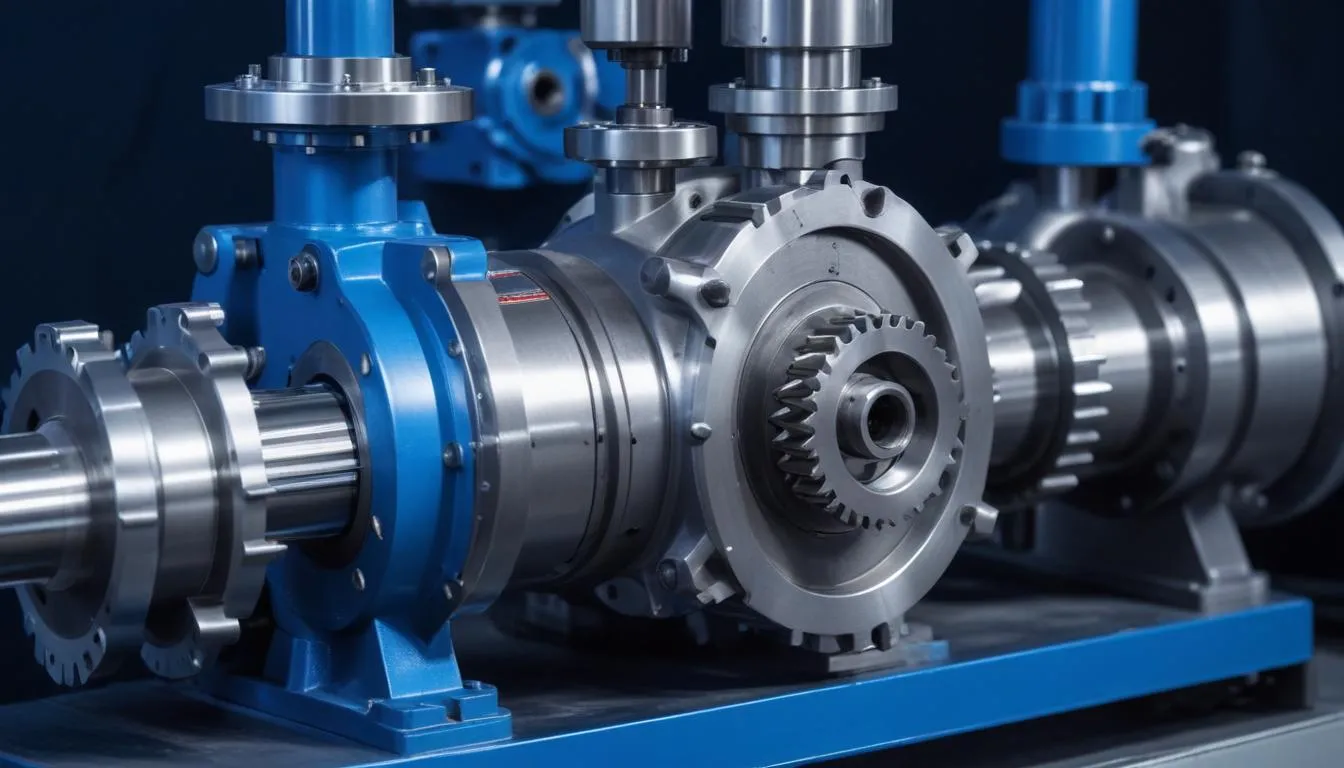 When addressing alignment issues, it’s crucial to identify and rectify any signs of misalignment to prevent potential failures. A systematic approach is recommended to diagnose and troubleshoot these challenges effectively.
First, monitor the performance of the pump system closely. Symptoms of misalignment may include:
- Excessive Vibration: Increased vibration levels can indicate that the shafts are not properly aligned, leading to wear on bearings and seals.
- Strange Noises: Unusual sounds, such as grinding or clunking, can signal misalignment, necessitating immediate investigation.
- Increased Energy Consumption: A misaligned pump may struggle to operate efficiently, consuming more energy than required.
- Frequent Seal Failures: Misalignment can put additional stress on seals, leading to premature leaks and failures.
Once these symptoms are recognized, the following steps can be employed to troubleshoot alignment issues:
- Conduct a Visual Inspection: Check for any noticeable signs of misalignment, such as gaps between flanges or unusual wear patterns on coupling elements.
- Utilize Measurement Tools: Use laser alignment tools or dial indicators to measure misalignment accurately. Take multiple readings to confirm discrepancies.
- Adjust Shaft Alignment: If misalignment is detected, carefully adjust the pump and motor until proper alignment is achieved. Follow the manufacturer’s specifications to determine the acceptable tolerance for alignment.
- Verify Equipment Foundation: Ensure that the pump and motor are securely mounted on a stable foundation, as a weak or improperly aligned base can cause shifts in alignment over time.
- Check for Other Related Issues: Inspect connected components like pipes and bearings for stress or damage that may contribute to misalignment.
In some cases, persistent alignment issues may stem from underlying problems, such as:
- Thermal Expansion: Changes in temperature can cause shafts to expand inconsistently, leading to misalignment.
- Equipment Wear: Components such as bearings may wear out unevenly, affecting alignment even after adjustments.
- Improper Installation: Initial misalignment due to incorrect installation practices could require revisiting installation procedures and re-aligning accordingly.
To effectively resolve pump alignment issues, it’s vital to maintain comprehensive records of alignment checks, adjustments made, and any observed symptoms. Regular documentation can help identify recurring patterns, enhancing the overall understanding of the system’s behavior.
By taking these diagnostic steps and employing appropriate techniques, the importance of proper pump alignment becomes evident, leading to improved performance and reduced maintenance costs in the long run. Ensuring that misalignment is swiftly addressed will save resources and extend the lifespan of pump systems, contributing to overall operational efficiency.
Best practices for maintaining alignment
To maintain proper pump alignment effectively, several best practices should be adhered to, ensuring that alignment remains consistent throughout the operational life of the pump system. These practices not only help in achieving optimal performance but also play a crucial role in extending the life of the equipment and preventing costly downtime.
- Regular Alignment Checks: Scheduling periodic alignment checks is vital. Depending on the operational conditions, these checks can be performed quarterly or biannually. Frequent inspections allow for early detection of misalignment, which can be promptly corrected before it exacerbates into more significant issues.
- Monitoring Environmental Conditions: Ensure that the pump is installed in an environment free from excessive vibrations, temperature fluctuations, and physical disturbances. These factors can affect the alignment of the pump over time, leading to performance degradation.
- Use of Soft Foot Shims: A common issue that affects alignment is the presence of a ‘soft foot,’ where the equipment does not sit evenly on its base. Utilizing shims can help level the pump and motor assembly, thereby improving stability and alignment.
- Documenting Changes and Adjustments: Keeping detailed records of any adjustments made during alignment checks, along with operational data, is crucial. These records will provide insight into the alignment trends over time, allowing for proactive measures before problems arise.
- Training and Skill Development: Ensuring that personnel are adequately trained in alignment techniques and equipped with the necessary skills contributes to better maintenance practices. Skilled technicians are likely to recognize alignment issues early and implement solutions efficiently.
- Proper Installation Procedures: Following manufacturer guidelines for installation is essential to achieving optimal alignment from the start. Improper installation techniques can lead to misalignment issues that may persist despite subsequent correction efforts.
- Use of Advanced Alignment Tools: Investing in modern alignment tools, such as digital laser alignment systems, can enhance accuracy and efficiency in maintaining alignment. These tools often provide real-time feedback and visual outputs, simplifying the alignment process.
Incorporating these practices into routine maintenance schedules enhances the overall effectiveness of pump alignment efforts. Continual vigilance and adherence to established techniques will safeguard the pump system’s integrity, ensuring reliable performance and longevity. By emphasizing the importance of maintaining proper alignment, operators can realize significant improvements in operational efficiency and reduce the risk of unplanned downtime.