 In the realm of pump operations, it is essential to comprehend the concept of NPSH, or Net Positive Suction Head. This critical parameter represents the pressure available at the suction of a pump, influencing its ability to function effectively without cavitation. NPSH is categorized into two primary types: NPSH_available (NPSHa) and NPSH_required (NPSHr).
- NPSHa: This is the actual pressure available to the pump and is influenced by the fluid’s physical properties, atmospheric pressure, and the height difference between the fluid source and the pump’s suction inlet.
- NPSHr: This indicates the minimum pressure required at the pump inlet to avoid cavitation, which is the formation and collapse of vapor bubbles that can cause severe damage to pump components.
Understanding the relationship between NPSHa and NPSHr is crucial for ensuring optimal pump performance. The general rule of thumb is that NPSHa must exceed NPSHr by a margin sufficient to account for variations in operating conditions. Failure to maintain this balance can lead to cavitational damage, reduced efficiency, and increased maintenance costs.
To evaluate the significance of NPSH, consider the following aspects:
- Cavitation Prevention: Proper NPSH management directly correlates with promoting smooth fluid flow and preventing damaging cavitation.
- Efficiency Enhancement: A well-calculated NPSH allows pumps to operate at peak efficiency, reducing energy consumption.
- Operational Longevity: Ensuring sufficient NPSH can prolong the lifespan of pumps by minimizing wear and tear caused by severe operating conditions.
The importance of NPSH cannot be underestimated in pump selection and operation. Understanding and calculating NPSH is fundamental for engineers and operators to ensure reliable and efficient performance.
Importance of NPSH in Pump Selection
Selecting the right pump for any application hinges significantly on understanding the importance of NPSH in the decision-making process. NPSH plays a critical role in determining not only the performance of a pump but also its suitability for specific operating conditions. Here are key factors to consider when evaluating pumps based on NPSH:
- System Compatibility: It is vital to ensure that the NPSHa of the pump system exceeds the NPSHr specified by the pump manufacturer. This will help avoid cavitation and ensure the system functions effectively under the desired operational conditions.
- Fluid Characteristics: Different fluids have varying properties, such as viscosity and temperature, that influence their NPSH requirements. Pumps must be selected based on the specific fluid to minimize the risk of cavitation.
- Pumping Height: The vertical distance between the fluid source and the pump affects NPSHa. When selecting a pump, consider the height to maintain adequate suction head.
- Temperature and Vapor Pressure: Higher temperatures can increase the vapor pressure of the fluid, thus reducing NPSHa. Selecting a pump with appropriate NPSH characteristics for higher temperature operations is essential.
- Application Type: The criticality of the application also affects pump selection. In processes where downtime can be costly, choosing a pump that comfortably meets NPSH requirements adds an extra layer of reliability.
Additionally, different types of pumps may have varying NPSH requirements. It is essential to identify whether a centrifugal pump, positive displacement pump, or another design fits the system’s NPSH criteria. The following are examples of pumps and their typical NPSH values:
| Pump Type | Typical NPSHr (ft) |
|---|---|
| Centrifugal Pumps | 10-20 |
| Positive Displacement Pumps | 5-15 |
| Gear Pumps | 8-12 |
| Diaphragm Pumps | 5-10 |
By carefully analyzing these factors and their implications on NPSH, engineers can make informed pump selections that optimize performance and longevity. In industries where efficiency and reliability are paramount, a thorough understanding of NPSH can lead to substantial advantages in operational success.
Factors Affecting NPSH in Pump Systems
Several factors can significantly affect the NPSH in pump systems, and understanding these elements is crucial for maintaining optimal pump performance and avoiding cavitation. Primarily, four key factors need to be considered: fluid properties, system design, operating conditions, and external influences.
- Fluid Properties: The characteristics of the fluid being pumped, such as temperature, viscosity, and vapor pressure, can drastically alter the NPSHa. For instance, a fluid with a high vapor pressure will lead to a lower NPSHa, making it critical to account for the fluid’s temperature throughout the operation.
- System Design: The configuration of the entire pump system plays a crucial role in calculating NPSH. Factors like the length and diameter of suction lines, the presence of fittings, and the overall elevation difference from the source to the pump inlet should be optimized to minimize resistance to flow and enhance NPSHa.
- Operating Conditions: Variations in operational speed and loading conditions can affect the NPSH required by the pump. It is vital to adjust the system parameters based on real-time operational demands to ensure that NPSHa remains greater than NPSHr.
- External Influences: Environmental factors, such as altitude and atmospheric pressure, can impact pump performance. At higher altitudes, atmospheric pressure decreases, which directly reduces NPSHa. This situation necessitates careful selection of pumps capable of functioning efficiently under varying external pressures.
Understanding these factors is essential for evaluating NPSH requirements effectively. A comprehensive analysis combined with accurate calculations can lead to enhanced pump selection and improved system longevity. For better performance, regular monitoring and adjustments may be required to maintain the necessary balance between NPSHa and NPSHr.
Moreover, employing simulation software can assist engineers in predicting how these factors will interact under various scenarios. Such tools can simulate pressure drops and allow for precise adjustments of system design, ensuring that NPSHa consistently exceeds NPSHr across operational ranges. By doing so, potential issues related to cavitation can be proactively addressed, thereby safeguarding the integrity of pumps and ensuring their optimal functioning in diverse operational contexts.
Calculating NPSH: A Step-by-Step Guide
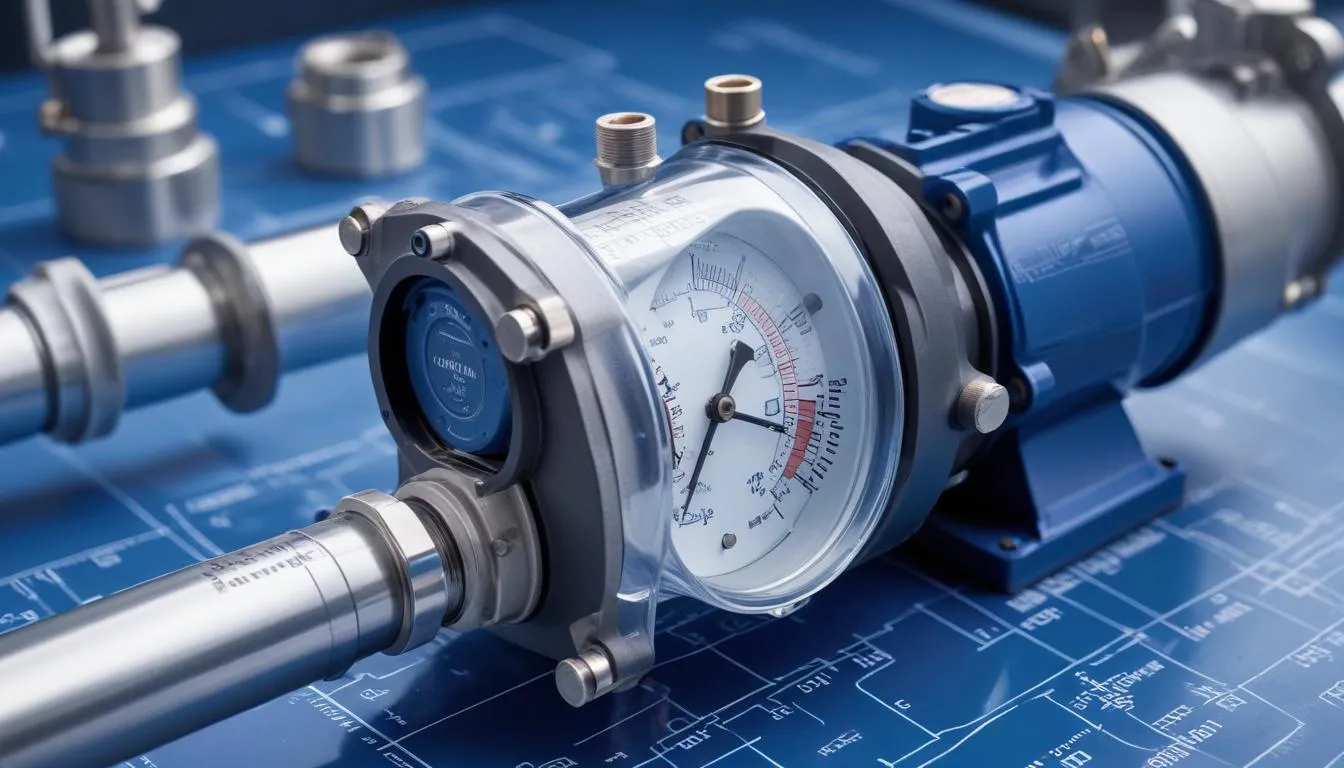 Calculating NPSH accurately is essential for ensuring that pumps operate efficiently and reliably. To start, you need to understand the parameters that influence NPSHa. The formula for calculating NPSHa is as follows:
NPSHa = P_atm + H – P_vap
Where:
– P_atm is the atmospheric pressure at the location of the fluid reservoir (typically measured in feet or meters of liquid).
– H is the height of the fluid column above the pump inlet (also measured in feet or meters).
– P_vap is the vapor pressure of the fluid at the operating temperature (expressed in feet or meters of liquid).
Here’s a step-by-step guide for calculating NPSHa effectively:
- Determine Atmospheric Pressure (P_atm): Obtain the atmospheric pressure based on your local altitude and environmental conditions. For most standard conditions, atmospheric pressure is approximately 14.7 psi at sea level, which corresponds to about 34 feet of water head.
- Measure Fluid Height (H): Measure the vertical distance from the fluid surface to the pump suction inlet. This height needs to be converted into feet or meters, depending on your unit system.
- Identify Vapor Pressure (P_vap): Look up the vapor pressure of the fluid at the operational temperature. This data can typically be found in engineering manuals or material data sheets. Ensure that it is also converted to equivalent feet or meters of water, as this is necessary for consistency in calculations.
- Apply the NPSHa Formula: Plug the values into the formula mentioned above to calculate NPSHa. Ensure all units are consistent throughout the calculation to avoid errors.
- Compare with NPSHr: After acquiring NPSHa, compare this value with the NPSHr as specified by the pump manufacturer. It is critical that NPSHa is significantly greater than NPSHr to avoid cavitation and potential damage.
In evaluating NPSH, it is important to account for potential losses in the suction line that can affect NPSHa, such as friction losses due to pipe length, diameter, bends, and fittings. The following are two key adjustments to consider:
- Friction Losses: Use the Darcy-Weisbach or Hazen-Williams equations to calculate losses due to friction along the suction line. This will help to maintain accuracy in your NPSHa calculation.
- Elevation Changes: If the pump is located at a different elevation compared to the fluid source, adjustments must be made to reflect these variations in the calculation.
By following these steps and using the appropriate formulas, you can ensure that your pump system is designed to operate within safe NPSH limits, thus enhancing the overall performance and reliability of the pump. Having a robust understanding of how to calculate NPSH prevents costly operational issues and promotes longevity in pump usage.
Common NPSH Issues and Solutions
Common issues related to NPSH can arise during pump operations, leading to degraded performance and potential failures. Recognizing and addressing these issues is paramount for maintaining efficient pump systems. Here are several common NPSH-related challenges and their corresponding solutions:
- Cavitation: This phenomenon occurs when the NPSHa falls below the NPSHr, leading to vapor bubble formation and subsequent collapse within the pump. To mitigate cavitation, consider the following solutions:
- Ensure proper sizing of the pump to guarantee that the system’s NPSHa comfortably exceeds the NPSHr.
- Reduce the fluid temperature to lower vapor pressure, therefore increasing NPSHa.
- Minimize suction pipe length and avoid sharp bends to enhance flow characteristics.
- Insufficient NPSH: If the NPSHa is consistently below the required levels, it can lead to pump failure. Solutions include:
- Re-evaluating the pump installation to ensure it is positioned at an appropriate elevation relative to the fluid source.
- Installing a larger diameter suction line to alleviate flow restrictions.
- Using boosters or auxiliary pumps to increase fluid pressure before it reaches the main pump.
- Fluctuating NPSHa: Changes in operation, such as varying fluid levels, can cause fluctuation in NPSHa. To manage this:
- Implement an automatic control system that adjusts pump speed based on real-time NPSH measurements.
- Regular monitoring of fluid levels and pressures to ensure consistent performance.
- Inadequate Maintenance: Neglecting routine maintenance can lead to corrosion, wear, and debris accumulation, impacting NPSH. Solutions include:
- Establish a regular maintenance schedule focusing on cleaning suction filters and inspecting lines for obstructions.
- Evaluate the pump and piping system periodically for wear and functionality.
Additionally, analyzing the system design can uncover potential issues affecting NPSH. Important considerations include:
| Design Element | Issue | Solution |
|---|---|---|
| Suction piping | Pockets of air or vapor | Ensure proper venting and consider redesigning the piping layout. |
| Suction strainer | Blocked suction | Install appropriate strainers with adequate sizing and regularly clean them. |
| Pump location | Excessive elevation difference | Reposition the pump closer to the fluid source or lower its positioning. |
Addressing these issues promptly can lead to enhanced pump efficiency, reduced operational costs, and improved overall system reliability. Regular system evaluations and adjustments in accordance with NPSH principles are vital for sustaining optimal pump performance.