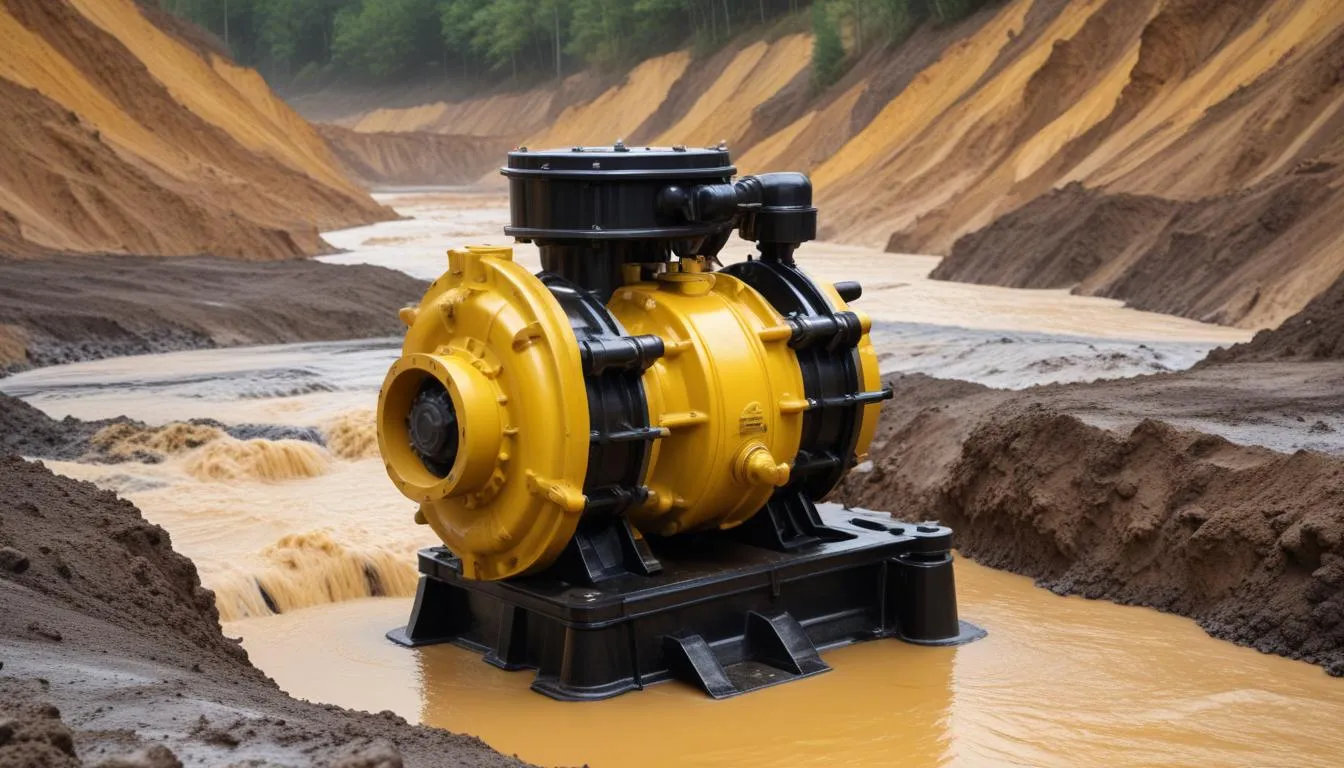
 Pumps play a pivotal role in the mining industry, serving various essential functions that contribute to overall operational efficiency. These machines are designed to move liquids, slurries, and sometimes gases, which are critical in different stages of the mining process. Understanding the intricacies of mining pumps involves familiarizing oneself with their key components, operational principles, and the environmental impacts they can mitigate.
In mining operations, the prime purpose of a pump is to transfer fluids from one location to another. This can include dewatering processes, where excess water is removed from mining sites to facilitate safe and effective extraction activities. Another significant use is in transporting slurry, which consists of finely crushed ores mixed with water. Applications of mining pumps are diverse and can be categorized based on the specific requirements of the mining operation they serve.
The specifications of these pumps vary based on factors such as fluid viscosity, particle size, and the required flow rates. For example, centrifugal pumps are commonly utilized for their efficiency in moving clean or slightly contaminated liquids, while positive displacement pumps are better suited for handling slurries with higher solid content.
When selecting mining pumps, it is essential to consider factors such as:
- Flow Rate: The volume of liquid a pump can move per unit of time.
- Head Pressure: The height that a pump can raise the fluid, essential for systems requiring vertical movement.
- Material Compatibility: The pump’s construction materials must withstand the chemicals or abrasive properties of the fluids being handled.
- Efficiency Ratings: Indicates the energy consumption versus output performance.
To maximize performance, mining operations should focus on choosing pumps that align closely with these specifications, ensuring operational efficiency and reliability. Knowledge of the various designs and capabilities of mining pumps can significantly improve the effectiveness of fluid management processes in the mining sector.
Types of Pumps Used in Mining
Mining operators utilize a variety of pumps, each tailored to specific requirements dictated by the operational environment and the nature of materials being processed. Understanding the different categories of pumps is essential for optimizing performance and ensuring reliability in mining activities.
Centrifugal Pumps
These pumps are widely used in scenarios where large volumes of clean or slightly contaminated liquids need to be transported. Their design relies on rotational motion to convert kinetic energy into hydraulic energy, allowing for effective fluid movement. Centrifugal pumps are particularly effective for:
- Water Transfer: Used in dewatering applications to remove excess water from mining sites.
- Slurry Transport: Suitable for transporting mixtures of solids and liquids, provided the solid content is not excessively high.
Several specifications to consider with centrifugal pumps include:
- Flow Rate: Typically measured in gallons per minute (GPM) or liters per second (L/s), essential for calculating system capacity.
- Impeller Design: Variation in impeller shape affects efficiency and the ability to handle varying flow conditions.
- Service Conditions: Maximum temperature and pressure withstand capabilities should align with mining conditions.
Positive Displacement Pumps
In contrast, positive displacement pumps excel in applications involving slurries with high solid content or thicker viscosities. These pumps work by trapping a fixed amount of fluid and forcing it through the discharge, making them ideal for various mining applications:
- Mine Dewatering: Effective in removing dense fluids accumulated in quarry operations.
- Slurry and Paste Transport: Suitable for moving thick slurries that may include various mineral particles.
Critical specifications for positive displacement pumps include:
- Pressure Rating: Capable of providing high discharge pressures necessary for transporting viscous materials.
- Viscosity Handling: Must be selected based on the fluid’s resistance to flow and potential for shear.
- Material Selection: Construction must withstand the abrasive nature of the materials being pumped.
Diaphragm Pumps
These pumps bring versatility to the mining industry, especially in handling corrosive or abrasive materials. Utilizing a diaphragm mechanism, they can effectively manage both low and high viscosity fluids. Their applications include:
- Acid Transfer: Safely transporting corrosive fluids without leakage risk.
- Construction and Grout Applications: Used in stabilization and soil grouting processes.
Specifying diaphragm pumps requires considerations such as:
- Pump Stroke Frequency: Determines the flow rate and must suit operational needs.
- Fluid Compatibility: Essential for materials that can resist chemical reactions or abrasion.
- Drive Method: Choosing between air-operated or electric-driven setups based on site conditions.
Gear Pumps
These are another subset of positive displacement pumps, primarily used for transferring fluids that require consistent flow rates and higher pressure capabilities. Their applications in mining include:
- Oil and Lubrication Systems: Providing essential lubrication to machinery and equipment.
- Chemical Feed Applications: Controlled injection of chemicals during mining processes.
Key specifications to examine for gear pumps involve:
- Viscosity Range: Determines how smoothly the pump can operate under various conditions.
- Flow Control Capability: Essential for processes requiring finely-tuned delivery rates.
- Material of Construction: Must be compatible with the chemical properties of the fluids handled.
By understanding the different types of pumps and their specifications, mining operations can effectively choose the most suitable equipment for their specific applications, enhancing productivity and reducing operational risks.
Applications of Pumps in the Mining Process
Pumps are integral to various stages of the mining process, covering a broad spectrum of applications that are vital for operational success. In particular, the efficiency of mining pumps hinges not only on their design but also on the specific conditions and requirements dictated by the type of mining being conducted.
One of the primary applications involves the dewatering of mining sites. Accumulated water can pose significant challenges, making it necessary to implement effective dewatering solutions. Centrifugal pumps are particularly favored in this situation due to their ability to handle high flow rates and effectively drain excess water. This function creates a safer working environment and improves access to minerals.
Another critical application is the transportation of slurries. In many mining operations, raw materials must be moved from one location to another in the form of slurries, which consist of liquid and solid mixtures. Here, positive displacement pumps excel, delivering consistent flow while managing the higher viscosity levels associated with slurries. Understanding the specific specifications of these pumps, such as pressure ratings and viscosity handling, ensures optimal performance in transporting heavy slurries.
Mining also entails the careful management of chemicals, whether for extraction or processing. Diaphragm pumps prove essential in these scenarios, particularly for safely transferring corrosive or toxic fluids. Their ability to operate without leakage is vital for maintaining safety standards and environmental protection measures. Specific considerations for these applications include the compatibility of materials with various chemicals and the pump’s stroke frequency to match operational needs.
Additionally, gear pumps are widely used in lubrication and chemical feed applications within the mining process. These pumps ensure the machinery remains operational by providing necessary lubrication while also allowing for accurate chemical dosing during different stages of material processing. The requirements for viscosity range and flow control capability must be assessed to ensure that the gear pumps effectively meet the demands of specific applications.
The effectiveness of pumps in the mining industry can also be seen when transporting fluids from hazardous environments. In occurrences like mine flooding, specialized pumps are deployed to efficiently remove water, ensuring continuity in extraction processes. The use of pumps in these applications improves both the safety and productivity of mining operations.
Overall, the versatility of mining pumps across various applications highlights the need for mining companies to understand the specifications crucial for each pump type. Proper selection and deployment of pumps tailored to the specific requirements of the mining process can lead to enhanced operational efficiency and reduced downtime.
Challenges and Solutions for Pump Operation
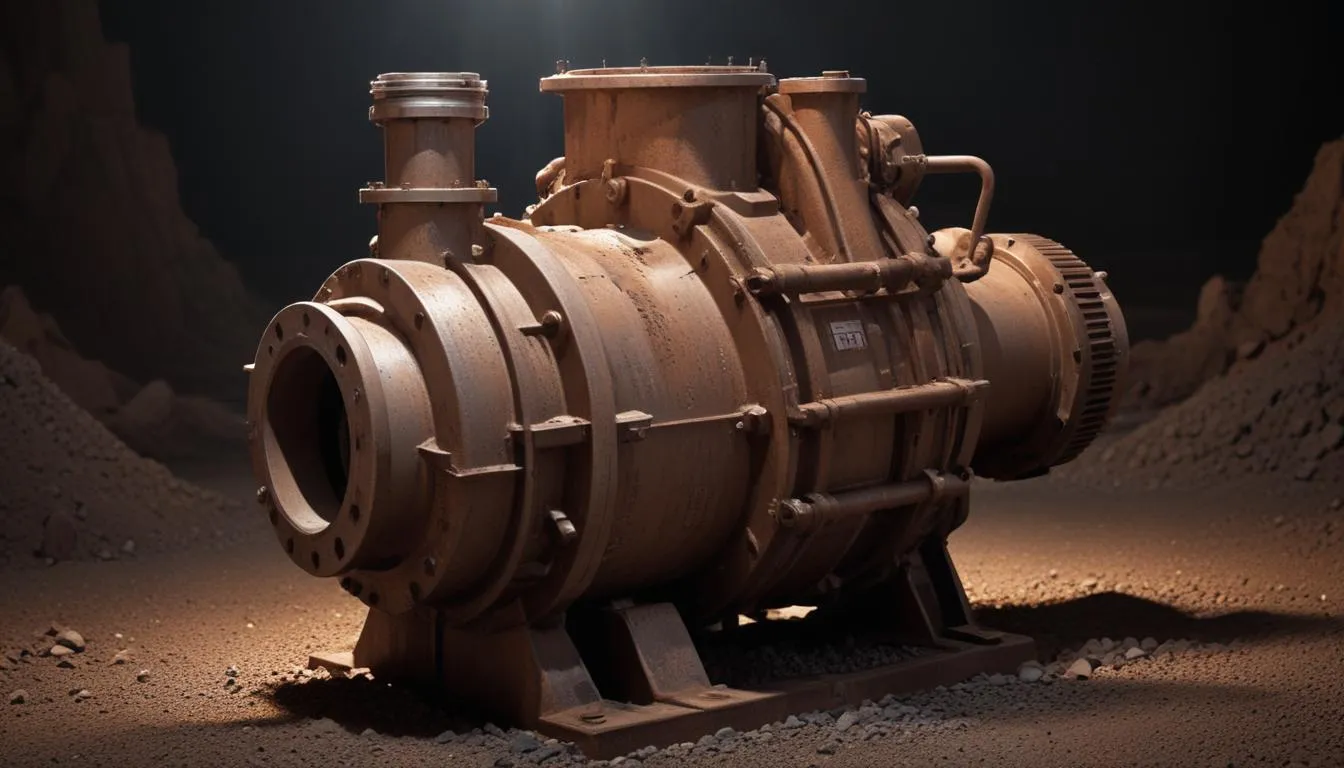 Pumps in mining operations face numerous challenges that can impact their performance and overall efficiency. These challenges can arise from the nature of the materials being processed, the operational environment, and equipment wear and tear over time. Identifying potential issues and employing effective solutions is critical to ensuring operational continuity and maximizing the lifespan of the pumping equipment.
One primary challenge is the handling of abrasive materials. Mining sites often process ores that contain sharp particles, which can cause significant wear on pump components. To combat this, operators can select pumps made from more resilient materials, such as hardened steel or advanced composites, designed specifically to withstand abrasion. Regular maintenance, including inspecting and replacing worn parts, can also help mitigate damage and prolong pump life.
Additionally, dealing with highly viscous materials presents another set of hurdles. Thicker fluids, such as slurries, require pumps capable of maintaining consistent and reliable flow. To address this, operators can choose positive displacement pumps that are tailored for high-viscosity applications. Employing a pump with the correct specifications, such as pressure rating and viscosity handling, ensures that material transport remains efficient, minimizing operational delays associated with clogged or malfunctioning pumps.
Environmental factors, such as temperature fluctuations and exposure to corrosive chemicals, also pose challenges. High temperatures can affect pump operation, leading to reduced efficiency or even pump failure. In these cases, selecting pumps with appropriate thermal capabilities and using insulation where necessary can significantly improve performance. For corrosive substances, diaphragm pumps designed to resist chemical reactions can be invaluable, providing safe and effective transport while protecting against leakage.
Another common issue in mining operations is the risk of cavitation, which occurs when vapor bubbles form in a liquid and collapse within a pump, causing damage over time. To prevent cavitation, operators should ensure that pumps are always operated within their recommended parameters—specifically regarding fluid levels and flow rates. Monitoring and adjusting the system to maintain sufficient net positive suction head (NPSH) can help mitigate this risk.
Finally, energy efficiency is a major concern in the mining industry, where operational costs can be significantly impacted by energy consumption. To counteract this, mining operations should focus on choosing pumps with high efficiency ratings and implement best practices for pump operation. Utilizing variable frequency drives (VFDs) can optimize pump speed according to demand, reducing energy waste and optimizing performance.
By recognizing these challenges and adopting tailored solutions, mining companies can enhance both the reliability and efficiency of their pumping operations. Implementing proactive maintenance schedules, selecting appropriate pump types based on material specifications, and monitoring environmental conditions can all contribute to improved productivity and cost-effectiveness in the mining sector.
Maintenance and Best Practices for Pump Efficiency
Effective maintenance and adherence to best practices are vital for ensuring the efficiency and longevity of mining pumps. Implementing a structured maintenance program enables operators to prevent unexpected failures that can lead to costly downtime. Regular inspections and timely replacements of wear parts are fundamental components of a comprehensive maintenance plan. Here are some critical best practices that can contribute to pump efficiency and reliability in mining operations:
- Scheduled Maintenance: Establishing a routine schedule for maintenance checks—ideally on a daily, weekly, or monthly basis—can help identify potential problems before they escalate. Routine tasks should include lubricating bearings, checking seals, and inspecting hoses and connections.
- Monitoring Performance: Utilizing performance monitoring systems to track key metrics such as flow rates, pressure levels, and energy consumption is essential. This data can reveal operational discrepancies and highlight areas for improvement.
- Fluid Management: The type and condition of the fluids being processed significantly affect pump performance. Maintaining proper fluid levels and ensuring the fluids are within the specified viscosity range enhances pump operation. Using strainers and filtration systems can prevent debris from entering the pump and causing wear.
Understanding the specifications of mining pumps is crucial for maintaining efficiency. Each pump type has unique requirements that must be adhered to for optimal operation. For instance, positive displacement pumps are sensitive to pressure variations and must be operated within specified limits to avoid cavitation and potential damage. Maintaining proper suction conditions is also critical, as insufficient net positive suction head (NPSH) can lead to pump failure.
Energy consumption is another area where best practices can have a significant impact. Selecting pumps with high-efficiency ratings helps minimize operational costs. Additionally, employing variable frequency drives (VFDs) enables operators to adjust the speed of the pump based on real-time operational needs, resulting in reduced energy waste and improved performance.
Furthermore, understanding the environmental conditions in which the pumps operate is necessary. Extreme temperatures, corrosive materials, and abrasive substances can all impact pump longevity and efficiency. Choosing materials that can withstand these conditions—such as using corrosion-resistant alloys or protective coatings—will bolster equipment durability and enhance operational effectiveness.
Lastly, training personnel on proper operational techniques and maintenance procedures is essential. Well-informed operators can recognize potential issues before they develop into major problems and understand the specific applications of the pumps used. This awareness contributes significantly to maintaining a continuous and efficient mining operation, ultimately driving productivity and reducing costs.
By prioritizing structured maintenance, monitoring performance metrics, adhering to pump specifications, and investing in staff training, mining operations can achieve enhanced equipment reliability and ensure the efficient operation of mining pumps across various applications.