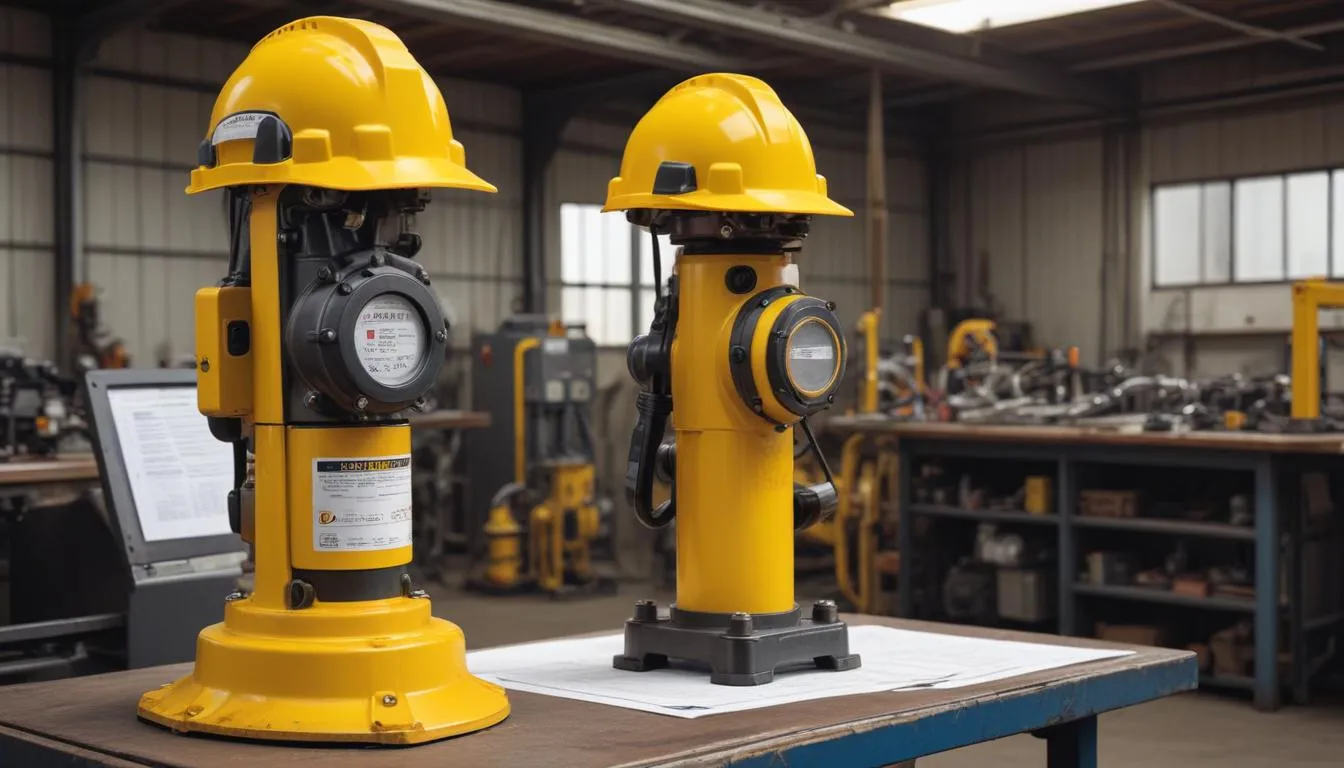
 Understanding compliance requirements is essential for businesses operating with industrial pumps. These requirements encompass various regulations and standards that ensure operations are safe, efficient, and environmentally responsible. Compliance is often mandated by federal, state, and local governments, as well as industry-specific organizations.
- Regulations: Industrial pumps must adhere to specific regulations that address design, manufacturing, and operational aspects. These regulations can vary based on the type of pump and its application.
- Safety Standards: Compliance with safety standards protects workers and facilities from potential hazards associated with pump operation.
- Environmental Impact: Regulations focus on minimizing the environmental footprint of industrial processes, addressing issues such as emissions, waste management, and resource usage.
- Testing and Certification: Many regulations require pumps to undergo rigorous testing and certification processes to ensure they meet established safety and performance standards.
Ensuring compliance involves thorough documentation and monitoring to adapt to any changes in regulations. Companies often establish dedicated teams to oversee compliance, keeping abreast of updates and facilitating training for employees on relevant regulatory standards.
The failure to meet compliance requirements can result in significant financial penalties, increased scrutiny from regulatory bodies, and potential operational shutdowns. As industries continue to evolve, maintaining compliance will remain a critical focus for organizations utilizing industrial pumps.
Types of industrial pumps and their regulations
Different types of industrial pumps are subject to various regulations that dictate their design, performance, and operational use. Understanding these regulations is crucial for maintaining compliance and ensuring that the pumps operate safely and efficiently. Below is a breakdown of the most common types of industrial pumps along with the specific regulations that govern them:
- Centrifugal Pumps: Used widely in industries for transferring fluids, centrifugal pumps must comply with ASME (American Society of Mechanical Engineers) standards, ensuring they meet design and safety requirements. The ANSI (American National Standards Institute) also provides guidelines to standardize these pumps for various operations.
- Positive Displacement Pumps: These pumps operate by trapping a fixed amount of fluid and forcing it into the discharge pipe. Compliance with API (American Petroleum Institute) standards is essential, particularly in the oil and gas sectors, where reliability and efficiency are critical.
- Submersible Pumps: Regulated under NEMA (National Electrical Manufacturers Association) standards, these pumps must meet stringent requirements for electrical safety and water ingress protection levels (IP ratings) to ensure safe operation underwater.
- Diaphragm Pumps: Particularly used for hazardous fluids, these pumps are often subject to ATEX (ATmosphères EXplosibles) regulations for equipment used in explosive environments, emphasizing the need for safety and compliance with environmental standards.
- Peristaltic Pumps: Commonly utilized in laboratory and medical applications, peristaltic pumps must adhere to ISO (International Organization for Standardization) standards, focusing on quality assurance and safety in medical environments.
The regulations governing these pumps typically cover the following aspects:
| Regulation | Applicability | Key Focus Areas |
|---|---|---|
| ASME | Centrifugal Pumps | Design, materials, safety |
| ANSI | Centrifugal Pumps | Standardization, performance criteria |
| API | Positive Displacement Pumps | Reliability, efficiency, safety |
| NEMA | Submersible Pumps | Electrical safety, ingress protection |
| ATEX | Diaphragm Pumps | Explosive environment safety |
| ISO | Peristaltic Pumps | Quality assurance, medical safety |
Compliance with these regulations not only ensures the efficiency and reliability of industrial pumps but also plays a vital role in protecting the environment and promoting sustainability across various industries.
Safety standards for pump operation
Ensuring safety during pump operation is crucial to maintaining an efficient and compliant workplace. Various safety standards have been established to mitigate risks associated with industrial pumps, ranging from mechanical failures to operator hazards. These standards are designed to protect both personnel and equipment, emphasizing the importance of proper training, regular maintenance, and adherence to protocols.
To start, the Occupational Safety and Health Administration (OSHA) provides guidelines that serve as a framework for safety in the workplace, including the operation of industrial pumps. Compliance with these regulations requires companies to implement safety measures that address the following key areas:
- Operator Training: All personnel should receive comprehensive training on the specific pumps they operate. This training must cover operational procedures, emergency response protocols, and hazard awareness to ensure that operators understand their roles and responsibilities in maintaining safety.
- Equipment Maintenance: Regular and systematic maintenance of pumps is essential to prevent mechanical failures that could lead to injuries or accidents. Companies should establish a maintenance schedule that complies with manufacturer recommendations and regulatory standards.
- Personal Protective Equipment (PPE): Depending on the environment and the type of fluids being handled, appropriate PPE must be worn at all times. This includes gloves, goggles, and protective clothing designed to safeguard operators from exposure to hazardous materials.
- Emergency Response Plans: Having a well-defined emergency response plan in place is critical for mitigating the effects of accidents or incidents. This plan should be accessible to all employees and practiced regularly through drills.
- Monitoring and Reporting: Continuous monitoring of pump performance is vital for identifying potential safety issues before they escalate. Companies should establish procedures for reporting safety concerns and take prompt action to address any identified risks.
Additionally, specific industry standards such as American National Standards Institute (ANSI) and American Society of Mechanical Engineers (ASME) provide comprehensive guidelines that detail the necessary precautions and procedures for safe pump operation. Compliance with these standards not only enhances safety but also ensures legal adherence and protects businesses from potential liabilities.
The importance of safety standards cannot be overstated. By adhering to these guidelines, organizations can create a safer work environment, enhance operational efficiency, and minimize the risks associated with industrial pumps. Following best practices in safety will not only protect employees but significantly contribute to maintaining overall compliance within the industry.
Environmental compliance and sustainability
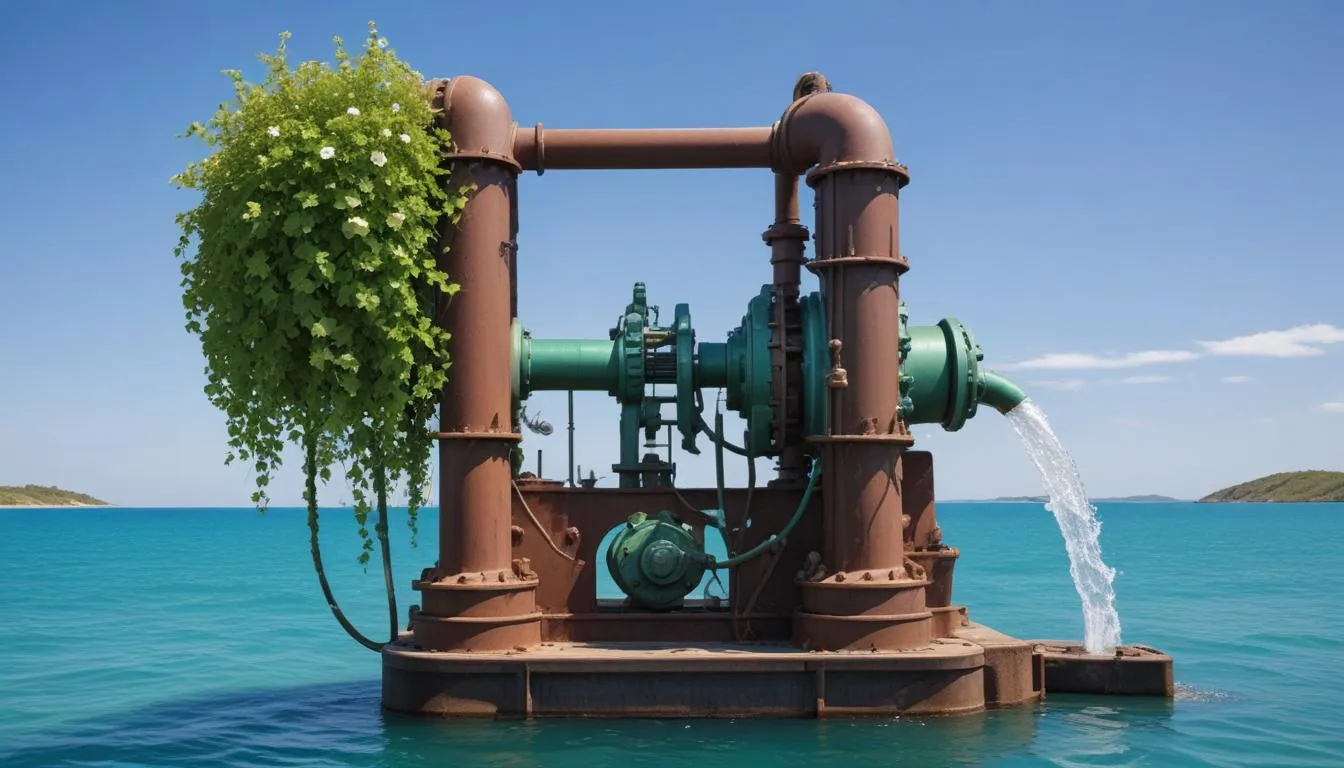 Environmental compliance is increasingly gaining attention within industries that utilize industrial pumps, focusing on minimizing their ecological footprint and promoting sustainability. Regulations related to environmental compliance often aim to reduce harmful emissions, manage waste effectively, and protect natural resources throughout the operational lifecycle of pumping systems. Companies must adopt a proactive stance to meet these environmental standards, which can greatly influence their operational costs and overall sustainability.
Key regulations governing environmental compliance are varied and can include both federal and state legislation. Here are some of the main regulations that affect industrial pumps:
- Clean Water Act (CWA): This Act regulates discharges of pollutants into US waters and ensures that any fluids processed or handled by pumps do not contaminate these waters. Compliance requires regular monitoring and reporting of water quality standards.
- Clean Air Act (CAA): Under this Act, emissions generated during pump operations must be regulated to prevent air pollution. Companies are required to implement measures that limit volatile organic compounds (VOCs) and other harmful emissions associated with pump operations.
- Resource Conservation and Recovery Act (RCRA): This regulation governs the management of hazardous waste, and businesses must ensure that any waste generated from pump operations is handled, stored, and disposed of in compliance with these standards.
- Toxic Substances Control Act (TSCA): This law requires facilities using or producing certain chemicals during pump operations to provide information on their properties and uses. Compliance includes ensuring that the use of such chemicals does not pose environmental or health risks.
To ensure adherence to these regulations, organizations can adopt multiple strategies that promote environmental sustainability and compliance within their pump operations:
- Regular Audits: Conduct routine environmental audits to ensure that an organization’s operations comply with applicable environmental laws and regulations.
- Emissions Controls: Invest in emissions control technologies such as scrubbers and filters that can significantly reduce pollutants released during pump operation.
- Energy Efficiency Programs: Implement initiatives to enhance the energy efficiency of pumps, thereby reducing the overall carbon footprint of operations.
- Waste Management Training: Train employees in proper waste handling and segregation practices to ensure compliance with hazardous waste regulations.
- Sustainability Goals: Create and publish measurable sustainability goals, reflecting a commitment to environmental stewardship and compliance, while engaging employees in corporate social responsibility initiatives.
Incorporating these strategies not only ensures compliance with environmental regulations but also fosters a culture of sustainability within the organization. Enhancing environmental responsibility can lead to cost savings, improved efficiency, and better corporate reputation, all of which are increasingly vital as regulations become more stringent and consumers demand greener practices. Maintaining compliance with environmental standards associated with industrial pumps is essential for sustainable growth and for the protection of the environment.
Best practices for maintaining compliance
Ensuring adherence to compliance requirements for industrial pumps involves implementing best practices that foster ongoing regulatory alignment and operational efficiency. To effectively maintain compliance, organizations should establish a systematic approach that incorporates the following elements:
- Comprehensive Documentation: Maintaining meticulous records of all compliance-related activities is essential. This includes documentation of operational procedures, maintenance schedules, and employee training. Proper documentation not only serves as evidence of compliance during audits but also facilitates internal reviews and continuous improvement.
- Regular Training Programs: Continuous education is crucial for ensuring employees are aware of current regulations and compliance practices related to industrial pumps. Organize frequent training sessions that cover safety standards, environmental regulations, and best practices for pump operation. Keeping staff well-informed empowers them to recognize and address compliance issues proactively.
- Preventive Maintenance: Establish a structured maintenance program that schedules routine inspections and servicing of pumps to mitigate risks of failures that could lead to compliance violations. Employ predictive maintenance technologies which utilize data analytics to anticipate potential issues before they escalate.
- Internal Audits and Assessments: Conduct regular internal audits to assess compliance status against regulations and operational practices. Use these assessments to identify gaps or areas of improvement, and develop action plans to address any deficiencies uncovered during the audits.
- Collaboration with Regulatory Bodies: Engage with local, state, and federal regulatory agencies to stay informed of any changes in compliance requirements or industry standards. Building a relationship with these agencies can provide valuable insights and guidance on best practices for compliance with industrial pumps.
The following practices also significantly enhance compliance management:
| Practice | Description |
|---|---|
| Risk Assessment Procedures | Implement risk assessments that evaluate potential compliance risks associated with pump operations. Make adjustments based on these assessments to strengthen overall compliance. |
| Incident Reporting Mechanism | Develop and maintain an incident reporting system that allows employees to report compliance-related issues or hazards without fear of repercussion, promoting transparency and accountability. |
| Performance Metrics | Define key performance indicators (KPIs) related to compliance for industrial pumps, allowing for measurable tracking of compliance efforts and organizational performance. |
Integrating these best practices into the day-to-day operations can significantly alleviate the complexities associated with compliance. By fostering a culture of compliance, organizations not only minimize legal risks and potential penalties but also enhance operational performance, ultimately contributing to a safer and more effective environment for industrial pumps. Employing consistent processes to maintain compliance can yield long-term benefits and establish a solid foundation for sustainable business practices.