 In the realm of fluid transport, understanding the intricacies of pump system design is essential for achieving reliability and efficiency. A well-designed pump system is crucial for minimizing operational costs while ensuring uninterrupted fluid flow. The following elements are fundamental to effective pump system design:
- System Requirements: Begin by clearly defining the specific requirements of the system, including flow rate, head pressure, and the type of fluid being transported. This thorough understanding allows for the selection of appropriate pump types.
- Hydraulic Analysis: Conduct a hydraulic analysis to evaluate how fluid dynamics and pressure changes affect system behavior. Utilize tools such as the Bernoulli equation and flow rate calculations to ensure that the design meets operational demands.
- Pump Sizing: Proper pump sizing is crucial. Oversized pumps can lead to increased energy consumption, while undersized pumps can result in inadequate flow. Consider factors like pump curve, system curve, and operational variance to achieve the right balance.
- System Layout: Develop a layout that minimizes bends, elevation changes, and other factors that can create additional pressure losses. Use piping materials that support fluid type and flow characteristics.
- Selection of Components: Choose quality components that contribute to the system’s reliability. This includes selecting appropriate pumps, motors, control systems, and valves, all designed to work harmoniously within the system.
- Instrumentation and Control: Integrate reliable instrumentation for monitoring and control. Use pressure gauges, flow meters, and automated control valves to maintain system performance and respond to variations in demand.
Implementing these principles will enhance the overall effectiveness of a pump system, addressing potential issues that could compromise reliability. A comprehensive approach to design will facilitate not only operational excellence but also the longevity and sustainability of the pump systems in place.
Key Components of Reliable Pump Systems
A reliable pump system is comprised of several key components, each playing a vital role in ensuring optimal performance and longevity. Understanding these components is essential for achieving maximum efficiency and reducing the likelihood of failures.
- Pumps: The heart of any pump system, the pump’s type—centrifugal, positive displacement, or submersible—should be carefully chosen based on the application’s requirements. Factors such as fluid viscosity, temperature, and specific gravity influence the choice. Selecting the right pump not only augments reliability but also enhances energy efficiency.
- Motors: Matching the motor to the pump is critical. The power rating must meet the needs of the pump without causing excessive energy consumption. Variable frequency drives (VFDs) can be utilized to adjust motor speed based on demand, improving system efficiency and reducing wear.
- Valves: Proper valve selection contributes significantly to the system’s reliability. These components control flow direction, pressure, and shut-off capabilities. Utilize check valves to prevent backflow and ensure that the pump operates within its intended parameters, safeguarding against pressure surges.
- Piping Systems: The design of the piping layout is crucial for minimizing friction losses and preventing turbulence. Use materials that are compatible with the fluid being transported. Implementing appropriate pipe diameters according to flow rates and ensuring smooth transitions can greatly influence the overall efficiency of the system.
- Instrumentation: Reliable instrumentation allows for real-time monitoring of system performance. Employ pressure transducers, flow meters, and temperature sensors as essential tools for providing feedback on the operational status of the pump system. This immediate data aids in making informed decisions regarding adjustments or maintenance needs, thereby enhancing reliability.
- Controls: An integrated control system is imperative for the optimal operation of pump systems. Automated controls can manage variable loads and fluctuations in demand, ensuring that the system operates within safe parameters. Using advanced control algorithms can help maintain process consistency and pump longevity.
By focusing on the selection and integration of these components, pump system design can achieve heightened reliability, reducing the risk of unforeseen failures and maintenance costs. Each component should be evaluated based on how well it supports the overall principles of efficiency and operational excellence within the system.
Analyzing System Performance and Efficiency
To ensure optimal performance and efficiency in pump systems, a comprehensive analysis of system performance metrics is paramount. Key performance indicators (KPIs) such as flow rate, pressure, and energy consumption must be meticulously evaluated. By assessing these metrics, one can derive essential insights into the system’s operational effectiveness and identify areas for improvement.
- Flow Rate Analysis: Implement flow measurement technologies, such as magnetic flow meters or ultrasonic flow meters, to accurately quantify the volume of fluid transported over time. A consistent flow rate that meets design specifications is vital for maintaining process reliability.
- Pressure Monitoring: Install pressure gauges at strategic points throughout the system. Monitoring pressure drop across various components assists in detecting issues like clogging or leakage, which can affect pump performance and reliability.
- Energy Efficiency Evaluation: Conduct periodic energy audits to evaluate the efficiency of the pump and its associated components. The pump efficiency curve should be compared against the actual operating conditions to identify deviations that may signal inefficiencies or performance losses.
Advanced simulation tools can further aid in analyzing system performance. Utilizing fluid dynamics simulations, designers can predict how the system behaves under various operational conditions, helping to optimize the pump system design.
Moreover, the implementation of predictive maintenance strategies helps augment reliability. By integrating condition monitoring tools, such as vibration analysis and thermal imaging, potential failures can be identified prior to occurrence, allowing for timely interventions that enhance system uptime and longevity.
Data analytics also plays a significant role in performance and efficiency analysis. By leveraging historical data, patterns can be discerned, enabling optimization of pump operations. Advanced analytics can predict peak demand periods, assisting in scheduling maintenance and ensuring that the pump system consistently operates at peak efficiency.
Comparative analysis against industry standards can provide a benchmark for assessing system efficiency. Through these evaluations, key areas for improvement can be identified, creating pathways to enhance overall reliability. Adhering to recognized standards, such as those established by the Hydraulic Institute, facilitates the integration of best practices in pump system design, ensuring that systems not only meet operational requirements but far exceed them in efficiency and trustworthiness.
In conclusion, a detailed analysis of pump system performance and efficiency is critical in achieving long-term operational success. By focusing on the principles of measurement, monitoring, and predictive maintenance, manufacturers and operators can significantly enhance the reliability of their pump systems, ensuring that they can deliver consistent and efficient service across diverse applications.
Common Challenges and Solutions in Pump Design
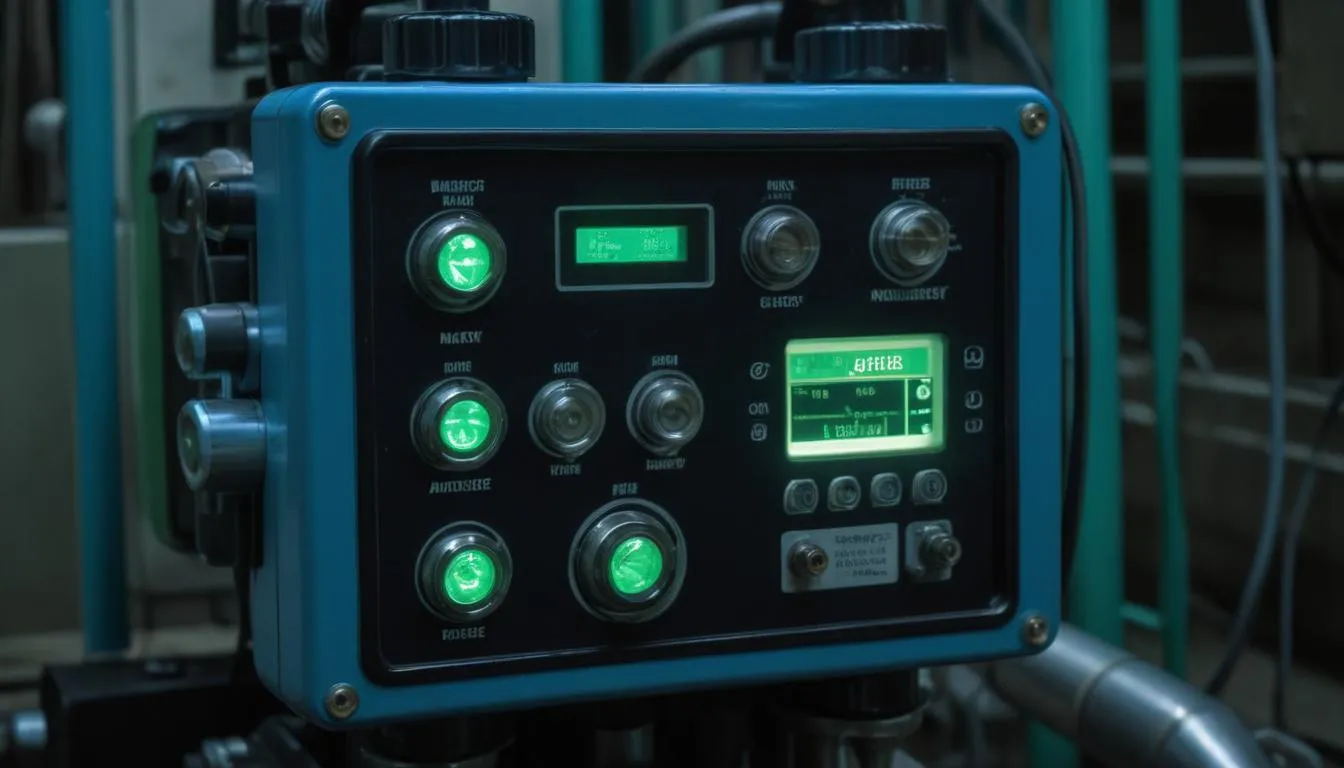 In designing reliable pump systems, several common challenges often arise that can impede performance and lead to potential failures. Understanding these challenges and formulating effective solutions is critical to enhancing system reliability.
- Vibration Issues: Vibration can occur due to unbalanced or improperly aligned components. Excessive vibration can lead to accelerated wear and tear on pumps and associated machinery. To mitigate this, it is essential to conduct regular alignment checks and utilize vibration monitoring equipment. Implementing damping solutions, such as rubber mounts or vibration isolators, can further reduce the impact of disruptive vibrations.
- Cavitation: This phenomenon occurs when vapor bubbles form in a fluid due to low pressure and subsequently collapse, causing shock waves that can damage pump components. To combat cavitation, ensure that inlet conditions are optimized by maintaining appropriate fluid levels and selecting pumps with suitable NPSH (Net Positive Suction Head) ratings. Additionally, properly sizing and configuring piping systems can help maintain consistent pressure at the pump inlet.
- Pumping System Efficiency: Inefficiencies can stem from a variety of factors, including improper pump sizing, poor system design, or existing wear in components. Conducting regular efficiency assessments and using real-time monitoring tools can help identify inefficiencies. Consider implementing variable frequency drives (VFDs) to adjust pump speed according to the actual demand, optimizing energy use while ensuring reliability.
- Fluid Compatibility: Using materials that are not compatible with the fluid being transported can lead to corrosion and material failure. A thorough understanding of the chemical properties of the fluid is necessary, guiding the selection of the right pump materials that will withstand the operating conditions. Employing coatings or linings can also enhance the longevity of components subjected to corrosive fluids.
- Overheating: Overheating can result from insufficient cooling or high friction losses within the system. To prevent this, ensure proper heat exchange systems are in place, and evaluate for appropriate fluid viscosities at operating temperatures. Regular maintenance checks can help ensure bearings are properly lubricated, minimizing overheating risks.
- Control System Failures: A malfunctioning control system can disrupt the regulated flow required for efficient operations. Regularly test and update control algorithms to ensure they reflect system requirements accurately. Integrated control systems that provide automated adjustments can also help maintain optimal operation during varying demand.
Creating a proactive maintenance strategy is essential for addressing these challenges. Regular inspections, condition-based monitoring, and prompt response to any detected irregularities will significantly enhance the system’s reliability. Establishing a routine maintenance schedule based on the average wear and operational demands can prevent many common issues from escalating into critical failures.
Moreover, training personnel on the operational limits and potential pitfalls of the pump system, along with providing detailed operational manuals, can promote a culture of reliability and awareness.
Emphasizing continuous improvement through feedback loops, where performance data is analyzed and used to refine procedures and designs, is vital. Implementing these strategies ensures the pump system not only meets but exceeds operational expectations, ultimately leading to enhanced reliability and efficiency in fluid transport applications.
Best Practices for Maintenance and Reliability
Implementing best practices for maintenance and reliability in pump systems is crucial for ensuring uninterrupted operation and extending the lifespan of the equipment. A comprehensive maintenance strategy should encompass several essential elements:
- Routine Inspections: Schedule regular visual and operational inspections to identify potential issues before they escalate. Check for leaks, vibrations, and unusual sounds that could indicate underlying problems. These inspections should also include a review of all connections and mounting points to ensure everything remains secure.
- Predictive Maintenance: Utilize advanced predictive maintenance techniques, such as vibration analysis, thermal imaging, and oil analysis, to monitor the condition of key components. These techniques can help predict potential failures and allow for maintenance to be performed at the optimal time, thereby minimizing unexpected downtime.
- Lubrication Management: Proper lubrication is vital for reducing friction and wear in rotating components. Establish a lubrication schedule based on the manufacturer’s recommendations, and ensure that the right type and amount of lubricant are used. Regularly check for contamination in lubricants, as this can lead to premature failure.
- Calibration of Instruments: Ensure all instruments and sensors used for monitoring system performance are regularly calibrated to maintain accuracy. This includes pressure and flow sensors, which are essential for maintaining operational efficiency and reliability.
- Training and Education: Equip personnel with the necessary training on system operation and maintenance protocols. Regular workshops and training sessions can improve understanding and awareness of best practices, enabling staff to identify problems swiftly and effectively.
- Documentation and Tracking: Maintain detailed records of maintenance activities, inspections, and repair history. Use this data to track performance trends over time and to help pinpoint recurring issues. This documentation can inform future maintenance plans and strategy adjustments.
- Component Replacement Strategy: Establish criteria for when components should be replaced based on wear, operational history, and technological advancements. Timely replacement of aging parts can prevent catastrophic failures and enhance the overall reliability of the pump system.
Incorporating these best practices not only fosters reliability but also ensures that the pump system design aligns with operational demands and efficiency requirements. By prioritizing maintenance activities and leveraging the right tools and practices, operators can minimize downtime and extend the lifetime of their pump systems, ultimately leading to a more efficient and sustainable operation. Embracing these principles can significantly contribute to achieving optimal performance within various applications, solidifying the commitment to maintaining high standards of reliability in pump systems.