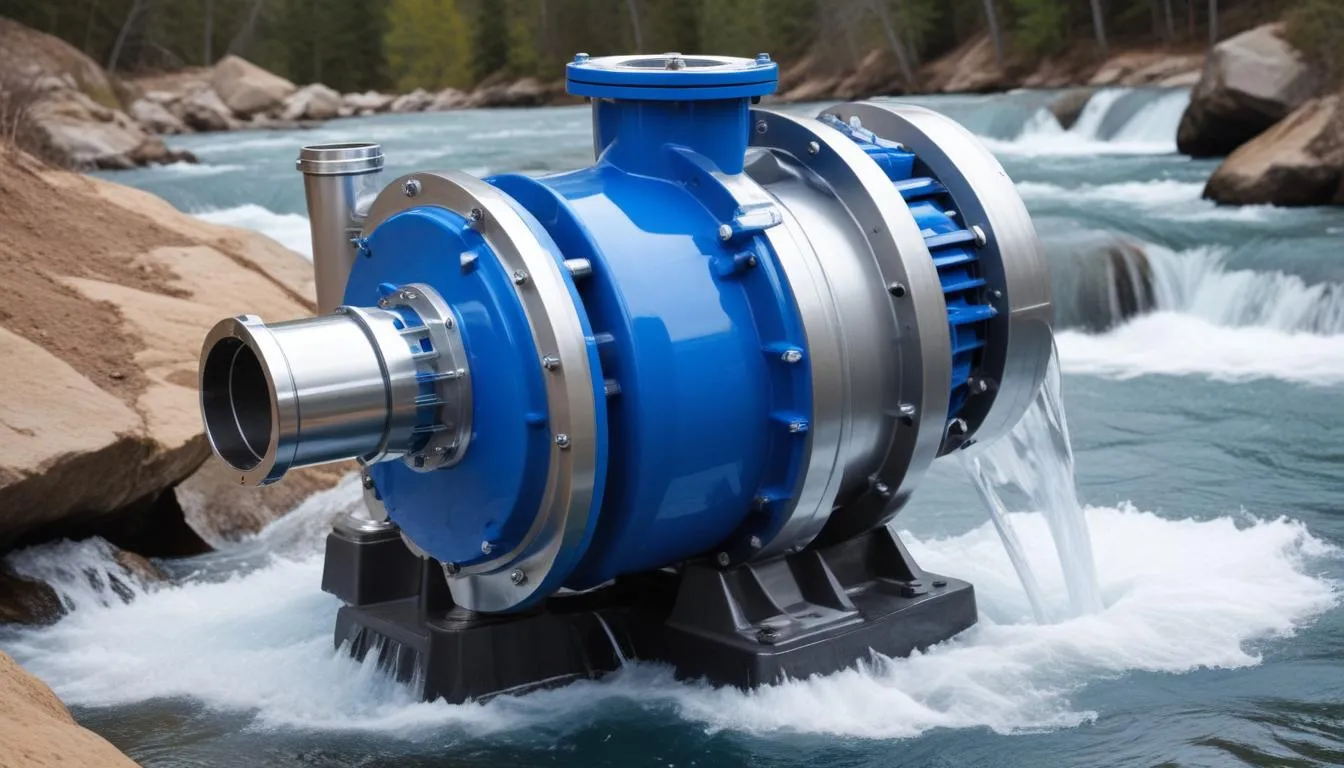
 In the realm of renewable energy, several types of pumps are utilized to enhance efficiency and performance across various applications. Understanding the types of renewable energy pumps is essential for optimizing their function in sustainable systems.
- Centrifugal Pumps: These are commonly used due to their ability to move large volumes of fluid efficiently. They are often employed in applications involving water circulation in hydropower systems and district heating.
- Positive Displacement Pumps: Known for their ability to handle viscous fluids, these pumps are beneficial in geothermal energy applications where fluids may contain various particles.
- Diaphragm Pumps: These pumps are critical in situations that require high reliability and precision. They are often used in applications like solar thermal systems where fluid transfer must be controlled accurately.
- Submersible Pumps: These pumps are designed to operate underwater, making them suitable for hydroelectric installations where they can efficiently pump water from deep sources to generate electricity.
- Gear Pumps: Efficient in handling liquids at high pressures, gear pumps find their niche in biofuel production where they help transfer feedstock materials.
Each pump type presents unique benefits depending on the specific requirements of the renewable energy application. For instance, centrifugal pumps are particularly favored for their low energy consumption and high flow rates, making them ideal for large-scale operations. In contrast, positive displacement pumps excel in applications that involve fluids with varying densities and solids, which is crucial in extracting energy from geothermal sources.
In hydropower systems, the selection of the right type of pump can significantly influence both the efficiency and cost-effectiveness of energy production. By understanding these different types of pumps and their respective applications, stakeholders in the renewable energy sector can make more informed decisions that enhance operational efficiency and sustainability.
Applications of Pumps in Hydropower Systems
In hydropower systems, pumps play a vital role in enhancing the efficiency and reliability of energy generation. The applications of these pumps span various processes within the hydropower lifecycle, from water intake to distribution and even energy storage.
- Water Intake and Supply: Pumps are essential for transporting water from natural sources like rivers and dams to turbines. Centrifugal pumps are typically used in this application due to their capacity to handle large volumes with minimal energy loss. The efficient movement of water is critical for maximizing energy generation potential.
- Turbine Cooling: In many hydropower stations, the turbines generate heat during operation. Pumps facilitate cooling by circulating water around these turbines, thus prolonging their lifespan and maintaining operational efficiency.
- Pumped Storage Hydropower: This technology involves two water reservoirs at different elevations. Pumps are used to move water from the lower reservoir to the upper one during periods of low energy demand. When energy demand peaks, the stored water is released to generate electricity through turbines. This process exemplifies the benefits of using pumps to balance supply and demand in renewable energy systems.
- Flood Control and Management: Pumps also play a crucial role in managing water levels and preventing floods in hydropower facilities, particularly during heavy rainfall or rapid snowmelt conditions. By controlling water flow, these pumps ensure the safety and continuous operation of the energy generation process.
- Maintenance and Operational Optimization: Regularly scheduled maintenance of pumps is necessary to sustain operational efficiency within hydropower systems. Employing predictive maintenance strategies can help identify when pumps need servicing, minimizing downtime and aiding in the seamless operation of the entire energy generation process.
The integration of advanced technologies, such as remote monitoring and automated control systems, has further improved the effectiveness of pump applications in hydropower systems. This innovative approach not only optimizes performance but also significantly reduces the overall environmental impact of energy generation. By capitalizing on these technologies, operators can ensure the longevity of their equipment and enhance the overall sustainability of renewable energy pumps.
Ultimately, the applications of pumps in hydropower are versatile and multifaceted, driving both the operational efficiency and the environmental responsibility of energy production. As the demand for renewable energy continues to rise, understanding these applications and their corresponding benefits will be essential for stakeholders seeking to optimize their systems in a sustainable manner.
Role of Pumps in Geothermal Energy
In geothermal energy systems, pumps serve several critical functions that enhance energy extraction and system efficiency. These renewable energy pumps are instrumental in managing the flow of fluids that are necessary for heat transfer from geological resources. Their primary role is to circulate the geothermal fluids—primarily water and steam—throughout the system, which significantly influences overall operational performance.
- Fluid Circulation: At the heart of geothermal systems is the need to circulate heated water or steam from the well to the surface. Positive displacement pumps are often utilized in this application due to their ability to maintain consistent flow rates under varying pressures. This capacity is crucial for efficiently transporting high-temperature fluids, allowing for enhanced energy harvesting.
- Heat Exchange: Pumps are vital in transferring heat from the geothermal fluids to a working fluid in heat exchangers. This process enables the conversion of thermal energy into mechanical energy, which can then be transformed into electricity. Centrifugal pumps often play a significant role here, ensuring that the geothermal heat is effectively utilized.
- Well Maintenance: Regular maintenance and operation of geothermal wells are supported by pumps, which help manage the levels of fluids in the well, prevent issues such as well collapse, and optimize the heat extraction process. The benefits of maintaining proper fluid levels include improved efficiency and reliability of the geothermal energy system.
- Pressure Management: Geothermal wells often face significant pressure fluctuations. Pumps are essential in regulating these pressures within the system, ensuring safety and operational integrity. Maintaining optimal pressure levels is vital for maximizing energy output and preventing mechanical failures.
- Brine Management: The operation of geothermal plants can lead to the production of brine, which contains salts and other minerals. Pumps are required to manage this brine effectively, either by reinjecting it back into the geothermal reservoir or by processing it to extract valuable minerals, thus enhancing the sustainability of the geothermal operation.
Utilizing these renewable energy pumps effectively can lead to numerous benefits in geothermal energy systems, such as increased efficiency in heat transfer, enhanced reliability of operations, and prolonged equipment lifespan. Additionally, the integration of advanced monitoring systems with pump technologies allows for real-time tracking of operational parameters, further optimizing performance and reducing operational costs.
The strategic implementation of pumps in geothermal energy systems not only facilitates the efficient extraction of energy but also contributes to sustainable practices in managing our natural resources. Understanding the diverse applications of pumps in this sector is crucial for stakeholders aiming to maximize the potential of geothermal energy as a viable renewable resource.
Innovations in Pump Technology for Wind Energy
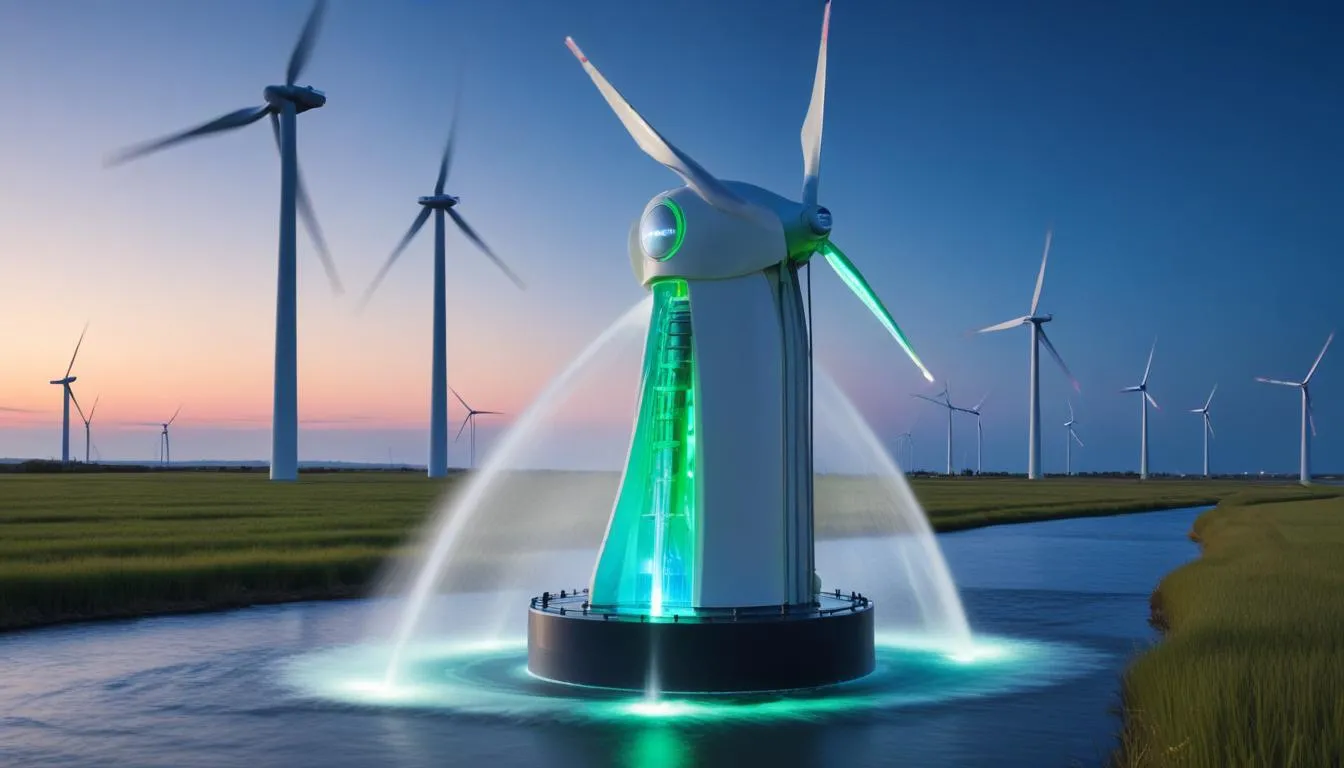 Innovations in pump technology for wind energy have significantly transformed how renewable energy systems operate, enhancing efficiency and performance while contributing to sustainability goals. The integration of state-of-the-art pumps with advanced control systems has allowed for more effective management of water and other fluids used in wind energy operations.
- Smart Pumping Systems: These systems utilize artificial intelligence and machine learning algorithms to optimize pump performance. By analyzing operational data in real time, smart pumps can adjust their flow rates and pressure automatically, ensuring that they deliver the right amount of fluid exactly when needed, enhancing overall system efficiency.
- Energy Recovery Pumps: Designed to capture and reuse energy from fluid flow, these pumps reduce the amount of energy required for operation. They are particularly useful in applications such as hydraulic systems used in wind turbines for pitch control, where controlling blade angle is critical for maximizing energy capture from wind.
- Magnetically Driven Pumps: These pumps eliminate the need for traditional seals, which can wear out and lead to leaks. By employing magnetic forces to drive the pump, they increase reliability and reduce maintenance needs, a key benefit in remote wind farm locations where maintenance can be costly and time-consuming.
- Corrosion-Resistant Materials: The use of innovative, corrosion-resistant materials in pump construction enhances longevity, particularly in environments where pumps are exposed to harsh conditions. This innovation is vital for maintaining operational efficiency over time and reducing replacement and repair costs.
- Variable Speed Drives (VSD): Incorporating VSD technology allows pumps to operate at varying speeds based on demand, significantly improving energy efficiency. This adaptability is essential for matching fluid movement to fluctuating wind conditions, thereby optimizing the overall performance of wind energy systems.
The benefits of these innovations are profound, significantly improving not only the efficiency of wind energy operations but also contributing to the sustainability of the entire renewable energy sector. By enhancing the operational capabilities of pumps, these advancements allow for better integration with renewable energy sources, facilitating the transition towards a more sustainable energy future.
Moreover, as wind energy continues to grow as a vital component of the global energy landscape, effective use of pumps will be crucial in meeting increasing energy demands while minimizing environmental impact. Understanding these technological advancements in pump systems equips stakeholders with the necessary tools to optimize their renewable energy applications effectively.
Best Practices for Pump Maintenance and Efficiency
- Regular Inspections: Conducting routine inspections of pumps helps identify wear and tear before they lead to significant failures. A recommended schedule includes checks on seals, bearings, and connections to ensure everything is functioning correctly. Early detections can prevent costly downtime and repairs.
- Proper Lubrication: Ensuring that all moving parts are adequately lubricated is critical for maintaining pump efficiency and longevity. Using the right type of lubricant and adhering to the manufacturer’s specifications helps reduce friction and wear on components.
- Monitoring Systems: Implementing monitoring systems that track pump performance metrics such as pressure, flow rate, and temperature enables operators to make informed decisions on maintenance needs. Advanced sensors can provide real-time data and alerts for any abnormalities or inefficiencies.
- System Compatibility: It is essential to ensure that pumps are compatible with other system components, including valves and piping. Mismatched components can lead to inefficiencies and increased wear on pumps. Regular reviews of system designs can identify potential compatibility issues.
- Training Personnel: Training staff on the best practices for pump operation and maintenance fosters a proactive approach to efficiency. Educated personnel can effectively monitor performance and identify issues that may arise, ensuring prompt action is taken to maintain optimal functionality.
Implementing these best practices can lead to numerous benefits, including increased operational efficiency, reduced maintenance costs, and extended pump lifespan. By adopting a proactive maintenance strategy, organizations can maximize the effectiveness of their renewable energy pumps, ensuring a reliable energy supply while minimizing environmental impact.
In summary, focusing on regular inspections, proper lubrication, monitoring systems, system compatibility, and personnel training creates a robust framework for maintaining pump efficiency. This approach not only enhances performance but plays a crucial role in the overall effectiveness of renewable energy applications across various industries.