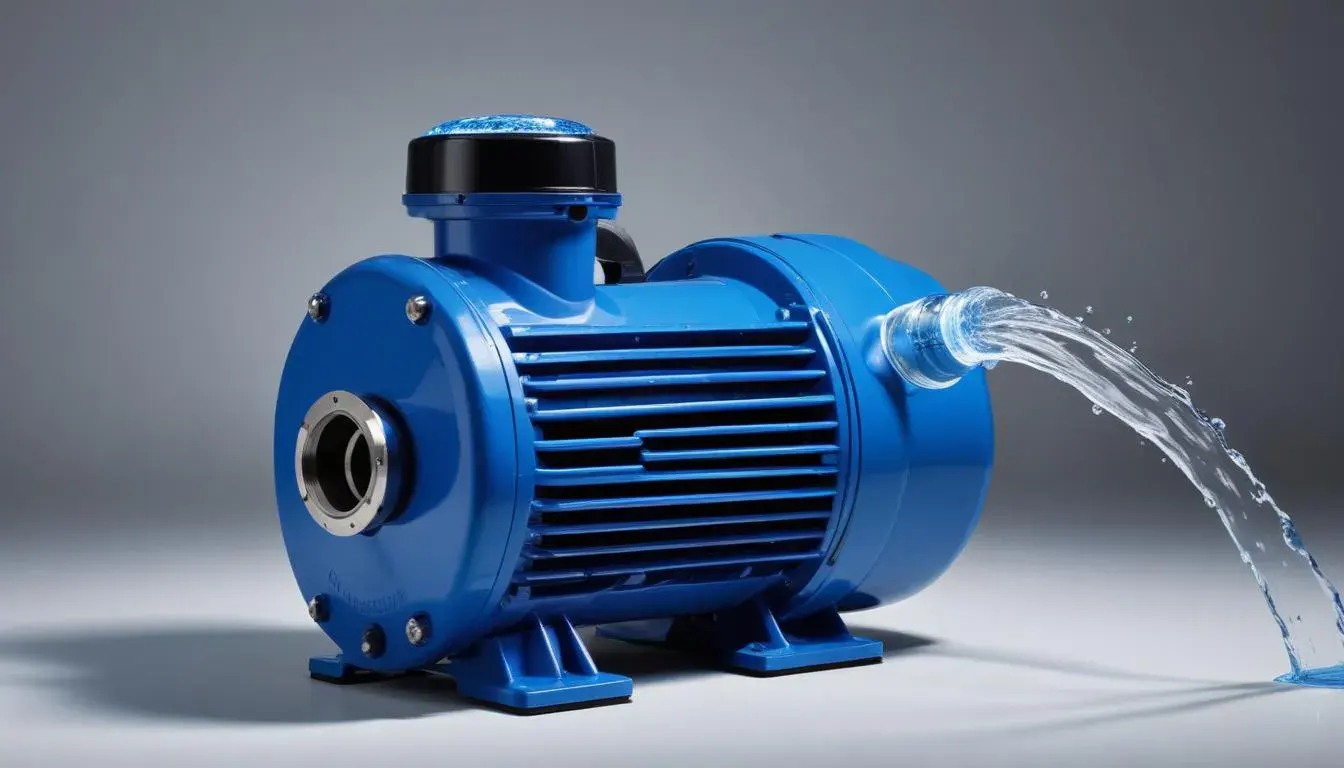
 Low-flow pumps are specialized devices designed to move liquids at lower flow rates, making them ideal for various industrial and commercial applications. These pumps operate efficiently at a range of flow rates, typically defined as less than 100 gallons per minute (GPM). Understanding the mechanics behind low-flow pumps can significantly enhance their utilization across different sectors.
One of the key aspects of low-flow pumps is their design, which often features an impeller that is optimized to handle low flow conditions without losing efficiency. The minimal energy consumption of these pumps not only makes them cost-effective but also environmentally friendly, as they contribute to reduced energy usage and lower operational costs.
In many applications, low-flow pumps play a critical role. They are commonly used in:
- Agricultural irrigation systems, where precise water delivery is essential.
- Cooling systems in industrial processes, ensuring that equipment maintains optimal temperatures.
- Water treatment facilities, where controlled flow is crucial for effective filtration and chemical dosing.
- Laboratory settings, where accurate dosing of chemicals is necessary for experimental consistency.
The mechanical design of low-flow pumps also includes features such as adjustable speed drives and sensors that help monitor and adjust flow rates as needed, ensuring consistent performance. Furthermore, understanding the specific requirements of each application can lead to better pump selections and increased reliability.
Overall, low-flow pumps are integral components in systems requiring controlled liquid transfer, and their specialized designs help make many complex processes possible.
Types of Low-Flow Pumps
Low-flow pumps can be categorized into several types based on their design and operational principles. Each type has unique features and suitability for different applications, making understanding these distinctions crucial for selecting the right pump for a specific task.
Positive Displacement Pumps are one of the most common types of low-flow pumps. These pumps operate by trapping a fixed volume of liquid and then forcing it through the discharge line, providing a consistent flow rate regardless of the pressure variations in the system. Positive displacement pumps are well-suited for high-viscosity fluids and applications where accurate flow measurement is critical. Variants in this category include gear pumps, diaphragm pumps, and peristaltic pumps.
Centrifugal Pumps represent another important type of low-flow pump. These pumps use rotational energy from an impeller to increase the velocity of the fluid, creating a low-pressure area that draws liquid into the pump. Centrifugal pumps are ideal for applications requiring a steady, continuous flow, such as in cooling and heating systems. They can excel in conditions where the fluid is relatively low in viscosity.
Magnetic Drive Pumps, also known as magnetically coupled pumps, are designed without traditional seals, eliminating the risk of leaks. They are particularly useful in applications involving corrosive or hazardous liquids. The magnetic coupling ensures that the impeller is driven by a magnetic field, maintaining a leak-free operation that is advantageous in sensitive environments such as chemical processing.
Diaphragm Pumps are versatile low-flow pumps that can handle a wide range of liquids, including slurries and abrasive materials. They utilize a flexible diaphragm to create a pumping action, making them suitable for applications where suction lift is necessary. Their design provides excellent control over flow rates, making them popular in chemical dosing and water treatment systems.
Here’s a summary of some common types of low-flow pumps and their applications:
| Type | Key Features | Best Applications |
|---|---|---|
| Positive Displacement Pumps | Fixed volume delivery, high viscosity capability | Chemical dosing, hydraulic systems |
| Centrifugal Pumps | Continuous flow, suitable for low-viscosity fluids | Heating and cooling systems, water supply |
| Magnetic Drive Pumps | No seals, leak-free operation | Chemical processing, hazardous liquid transfer |
| Diaphragm Pumps | Handles slurries and abrasives, adjustable flow rates | Water treatment, food and beverage applications |
Selecting the right type of low-flow pump depends on several factors, including the specific requirements of the application, the characteristics of the fluid being pumped, and operational conditions. Understanding these types helps streamline the decision-making process and contributes to maintaining efficiency and reliability in various liquid transfer operations.
Applications of Low-Flow Pumps
In a wide range of sectors, low-flow pumps serve essential functions, catering to specific needs where precision and efficiency are paramount. For instance, in the agricultural sector, low-flow pumps are invaluable for irrigation systems that demand accurate water distribution to promote optimal crop growth. By precisely controlling water delivery, these pumps help to conserve water resources while enhancing agricultural productivity.
In industrial environments, cooling systems often rely on low-flow pumps to regulate temperatures in critical machinery. The pumps effectively circulate water to dissipate heat, ensuring equipment operates within safe thermal parameters, which can prolong the life of the machinery and reduce downtime. The ability to maintain an efficient thermal management system is crucial in industries such as power generation and manufacturing.
Moreover, low-flow pumps are pivotal in water treatment facilities, where they function to maintain controlled flow rates essential for various processes, including filtration and chemical addition. The precise operation ensures that contaminants are effectively removed and that water quality meets stringent regulations.
In laboratory and research settings, low-flow pumps offer indispensable support for experimental procedures that require accurate and consistent chemical dosing. This type of pump aids researchers in performing experiments where even minor variations in fluid delivery can lead to significant changes in results. The adaptability of low-flow pumps allows them to accommodate a variety of chemicals and flow rates, making them a preferred choice in scientific investigations.
Additionally, the application of low-flow pumps extends to petrochemicals and pharmaceutical manufacturing, where precise control over liquid transfer is mandatory. In these sectors, low-flow pumps facilitate the handling of viscous and sensitive materials, ensuring that formulations maintain their integrity during processing.
To illustrate these diverse applications, consider the following table summarizing key sectors and their specific uses of low-flow pumps:
| Sector | Application | Benefits |
|---|---|---|
| Agriculture | Irrigation | Precise water delivery; conserving resources |
| Industrial | Cooling systems | Maintaining equipment temperature; reducing downtime |
| Water Treatment | Filtration and chemical dosing | Ensuring water quality; meeting regulations |
| Laboratory | Chemical dosing in experiments | Accurate and consistent results |
| Pharmaceuticals | Liquid transfer | Handling delicate formulations; precise control |
The versatility of low-flow pumps in challenges involving liquid transfer and management across various sectors showcases their indispensable role in modern processes. By understanding and leveraging the specific designs and operational capabilities of low-flow pumps, industries can achieve enhanced efficiency and reliability in their applications.
Choosing the Right Low-Flow Pump
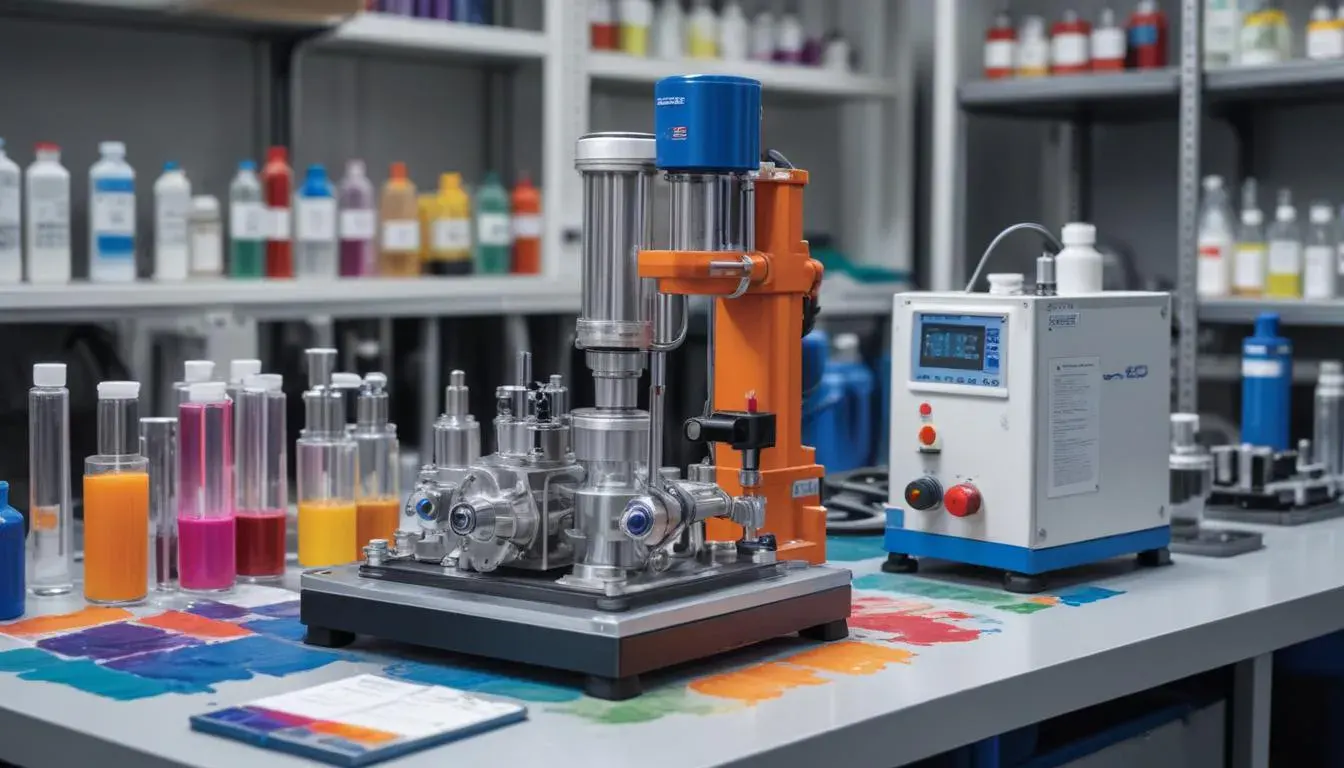 When selecting a low-flow pump, several critical considerations must be taken into account to ensure optimal performance and reliability for the intended application. The first step involves defining the specific requirements of your application, including the desired flow rate, pressure conditions, and the type of fluid to be pumped. Understanding these parameters is vital in narrowing down the choices to pump types that can effectively meet your needs.
Next, it’s important to consider the viscosity of the fluid. If the fluid is particularly viscous, a positive displacement pump may be the best option due to its capability to handle thicker liquids while providing consistent flow rates. On the other hand, if the application calls for low-viscosity fluids, a centrifugal pump could be more suitable, allowing for a steady, continuous flow.
Another significant factor is the temperature of the fluid being pumped. Different pump designs can accommodate various temperature ranges; therefore, it’s essential to select a pump that can withstand the thermal conditions of your specific application. For instance, if dealing with corrosive or hazardous liquids, magnetic drive pumps are an excellent choice due to their leak-free operation and durability in challenging environments.
The pumping environment should also be taken into account. Consider factors such as space constraints, installation requirements, and maintenance access. Some designs, like diaphragm pumps, offer flexibility in terms of installation due to their compact size, while others may require additional space for maintenance.
Additionally, evaluating the operational costs associated with each pump is crucial. Low-flow pumps that are energy-efficient can lead to significant savings in electricity costs over time. Look for pumps that feature adjustable speed drives, as these allow for better energy management by adjusting flow rates as needs change.
To assist in making the right choice, here is a list of key factors to consider when selecting a low-flow pump:
- Application requirements: Define flow rates, pressure needs, and fluid characteristics.
- Fluid viscosity: Determine whether a positive displacement or centrifugal pump is more appropriate.
- Temperature compatibility: Ensure the pump can handle the thermal conditions of the fluid.
- Pumping environment: Assess space and maintenance accessibility.
- Operational costs: Consider energy efficiency and potential long-term savings.
It’s advisable to consult with pump manufacturers or industry experts to gain insights into the best options available for your specific application. With proper consideration of these factors, you can confidently choose a low-flow pump that aligns perfectly with your operational needs, leading to enhanced efficiency and reliability in your processes.
Maintenance Tips for Low-Flow Pumps
Maintenance of low-flow pumps is vital for ensuring their longevity and optimal performance. Regular upkeep not only prevents unexpected failures but also enhances the overall efficiency of the pump system. The following guidelines outline essential maintenance practices that should be adhered to for various types of low-flow pumps.
Firstly, it is important to establish a maintenance schedule based on the pump’s operational environment and usage frequency. This schedule should include regular inspections, which can help identify potential issues before they escalate. Key components to check during inspections include:
- Seals and Gaskets: Inspect for wear or damage, as these components are crucial in preventing leaks.
- Bearings: Regularly lubricate bearings to minimize friction and wear.
- Filters: Clean or replace filters to ensure unobstructed flow, particularly in systems handling viscous fluids.
Another important aspect of low-flow pump maintenance is monitoring system performance. Keep track of flow rates and pressure to detect any deviations from expected metrics. If performance drops, it could indicate issues such as clogging, mechanical wear, or improper calibration. Implementing performance monitoring tools, such as flow meters and pressure gauges, can provide valuable data for maintenance assessments.
Maintaining the motor is also critical, particularly in electric low-flow pumps. Regularly inspect electrical connections and verify that motors are operating within specified temperature ranges. Overheating can lead to premature failures, so ensuring proper cooling and ventilation is essential.
In addition, be vigilant about the pump’s operating environment. Ensure that the area around the pump is free from debris, which can obstruct cooling and lead to overheating. For installations in corrosive environments, consider protective coatings or enclosures to shield the pump components from damage.
Lastly, it is advisable to keep a well-stocked inventory of replacement parts. When a component does fail, having the necessary parts readily available can reduce downtime significantly. Establishing a good relationship with suppliers can also ensure quick access to high-quality components.
Here’s a summarized checklist for maintaining low-flow pumps:
| Maintenance Task | Frequency | Importance |
|---|---|---|
| Inspect seals and gaskets | Monthly | Prevent leaks |
| Lubricate bearings | Monthly | Reduce wear |
| Clean or replace filters | Quarterly | Ensure flow efficiency |
| Monitor flow and pressure | Weekly | Detect performance issues |
| Inspect electrical connections | Quarterly | Prevent motor failures |
By implementing these maintenance tips consistently, operators can help ensure that their low-flow pumps function reliably and efficiently, reducing the risk of downtime and costly repairs in various applications. Regular care of pump systems aligns with the best practices in preserving the integrity of the designs and enhancing operational effectiveness across diverse sectors.