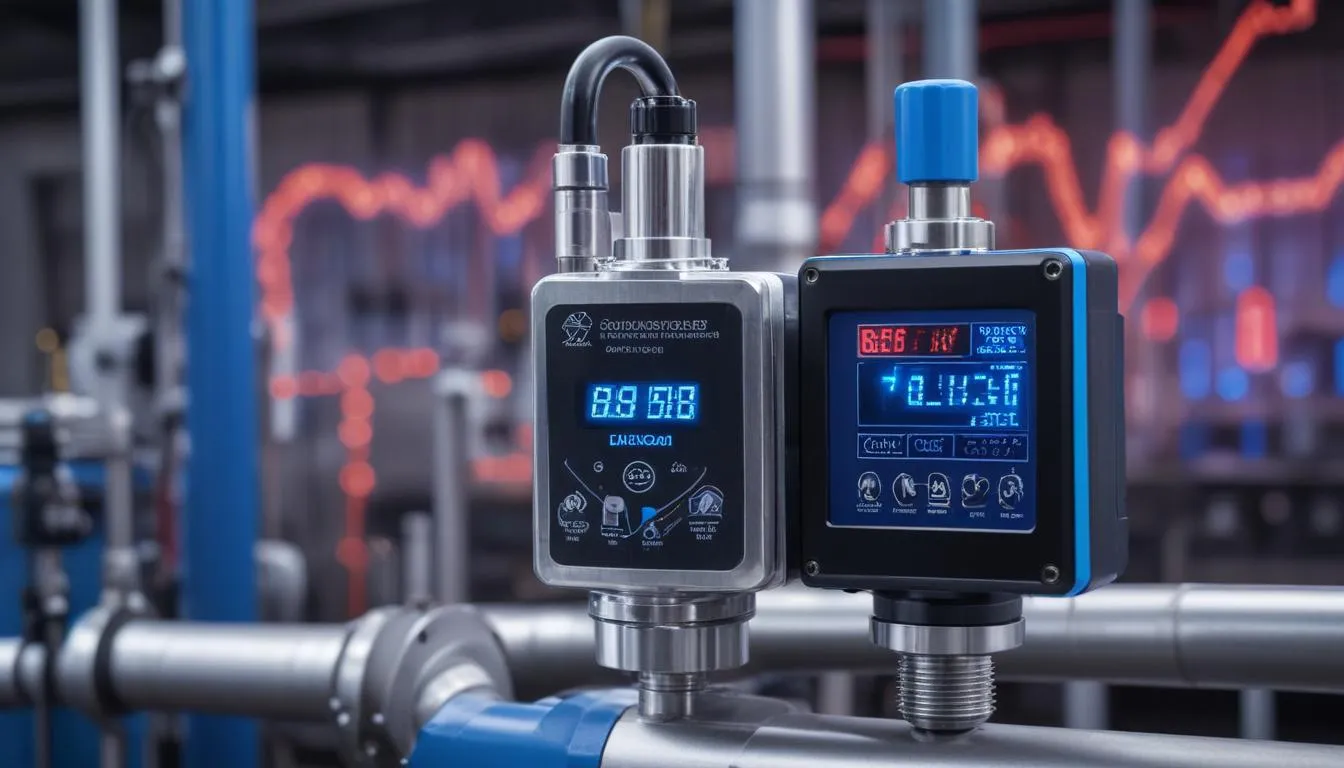
 In pump systems, sensor technologies play a critical role in enhancing efficiency, reliability, and performance. These technologies enable real-time monitoring of various operational parameters, thus facilitating proactive maintenance and optimizing overall system management. There are numerous applications of sensors within pump systems, designed to measure variables such as pressure, flow, temperature, and vibration.
Pressure sensors are commonly used to ensure that the pump operates within the desired pressure range, preventing system failures. Flow sensors are essential for monitoring the flow rate of liquids through the pump, which aids in detecting leaks or blockages. Temperature sensors measure the thermal conditions of the pump and its surroundings, crucial for preventing overheating and ensuring optimal operational conditions. Vibration sensors detect unusual vibrations that may indicate mechanical issues, offering insights that allow for timely interventions.
These sensor technologies are increasingly integrated into modern pump systems, providing invaluable data that can be analyzed for better decision-making. The use of advanced sensing devices enables organizations to move towards smart pump systems, where data collected can be leveraged for predictive maintenance and operational optimization.
| Sensor Type | Function | Applications |
|---|---|---|
| Pressure Sensors | Measures pressure levels | System pressure monitoring |
| Flow Sensors | Tracks flow rates | Leak detection, flow regulation |
| Temperature Sensors | Monitors temperature | Overheating prevention |
| Vibration Sensors | Detects mechanical vibration | Wear and tear assessment |
Implementing these technologies not only enhances the operational capability of pump systems but also contributes to improved safety and sustainability efforts. As sensor technologies continue to advance, their integration into pump systems is expected to become more sophisticated, enabling even greater levels of efficiency and intelligence in monitoring and operational management.
Types of sensors used in pumps
There are several types of sensors employed in pump systems, each serving distinct purposes that contribute to efficient operation and maintenance. These sensors can be categorized based on their monitoring capabilities and the specific applications they address.
- Pressure Sensors: These devices are crucial for measuring the pressure levels within pump systems. They ensure that the pumps maintain optimal operating pressure, safeguarding against potential failures that can arise from excessive pressure fluctuations. Common applications include monitoring operational pressure in pipelines and systems that transport liquids.
- Flow Sensors: Flow sensors are designed to monitor liquid flow rates, which is vital for detecting leaks, blockages, or variations in flow that could affect system efficiency. They play a significant role in applications ranging from irrigation systems to industrial fluid transportation, providing alerts to operators in case of discrepancies.
- Temperature Sensors: These sensors are fundamental for tracking the temperature of both the pump and the fluid being pumped. Maintaining optimal thermal conditions is essential to prevent overheating, ensuring that the pump operates within designated ranges. They find application in various industries, including HVAC systems and chemical processing.
- Vibration Sensors: Vibration sensors are utilized to detect any unusual vibrations that might indicate mechanical issues within the pump or motor system. By monitoring vibration patterns, these sensors help in assessing wear and tear over time, enabling maintenance teams to intervene before failures occur. Their applications are widespread in industries such as manufacturing and water treatment.
To further illustrate the importance of these sensor types, consider the following table that highlights their specific functions and applications:
| Sensor Type | Function | Applications |
|---|---|---|
| Pressure Sensors | Measures pressure levels | System pressure monitoring |
| Flow Sensors | Tracks flow rates | Leak detection, flow regulation |
| Temperature Sensors | Monitors temperature | Overheating prevention |
| Vibration Sensors | Detects mechanical vibration | Wear and tear assessment |
The integration of these various sensor technologies into pump systems allows for comprehensive monitoring of operational parameters, ultimately enhancing the overall performance and reliability of these systems. Each sensor type contributes uniquely to the collective goal of maintaining efficient and safe pump operations.
Benefits of integrating sensors
Integrating sensor technologies into pump systems offers numerous advantages that significantly enhance operational performance. One of the primary benefits is the ability to perform real-time monitoring of critical parameters. This capability allows operators to quickly identify potential issues, facilitating proactive maintenance that can prevent costly downtime.
- Improved Monitoring: With advanced sensor technologies, operators gain access to continuous data on parameters such as pressure, flow, temperature, and vibration. This constant stream of information is crucial for identifying performance deviations, allowing for timely interventions.
- Increased Efficiency: By accurately monitoring system conditions, businesses can optimize pump operations, reducing energy consumption and operational costs. Smart pump systems utilizing sensors can automatically adjust to changes in demand or operational conditions, ensuring that performance remains at peak levels.
- Enhanced Safety: Sensors can detect unsafe operating conditions, such as excessive pressure or overheating. By alerting personnel to these issues, sensor technologies can mitigate risks associated with pump failure, protecting both equipment and personnel.
- Predictive Maintenance: The data collected from various sensors enables organizations to move from reactive to predictive maintenance approaches. By analyzing trends and patterns, operators can predict when maintenance is needed, thereby avoiding unexpected failures and reducing maintenance costs.
The integration of these sensor technologies not only leads to increased efficiency but also contributes to the sustainability efforts of organizations. Optimized pump operations mean less wasted energy and resources, aligning with environmental goals and regulations.
| Benefit | Description |
|---|---|
| Real-time Monitoring | Continuous tracking of operational parameters for immediate issue detection. |
| Operational Efficiency | Reduction in energy consumption through optimized pump operations. |
| Safety Enhancements | Early detection of unsafe conditions to prevent accidents. |
| Cost Savings | Lower maintenance costs through predictive maintenance strategies. |
In summary, the integration of sensor technologies into pump systems not only enhances operational performance but also provides a strategic advantage by enabling organizations to make data-driven decisions. By leveraging the benefits of these technologies, companies can achieve greater reliability, efficiency, and safety in their pump operations.
Best practices for sensor installation
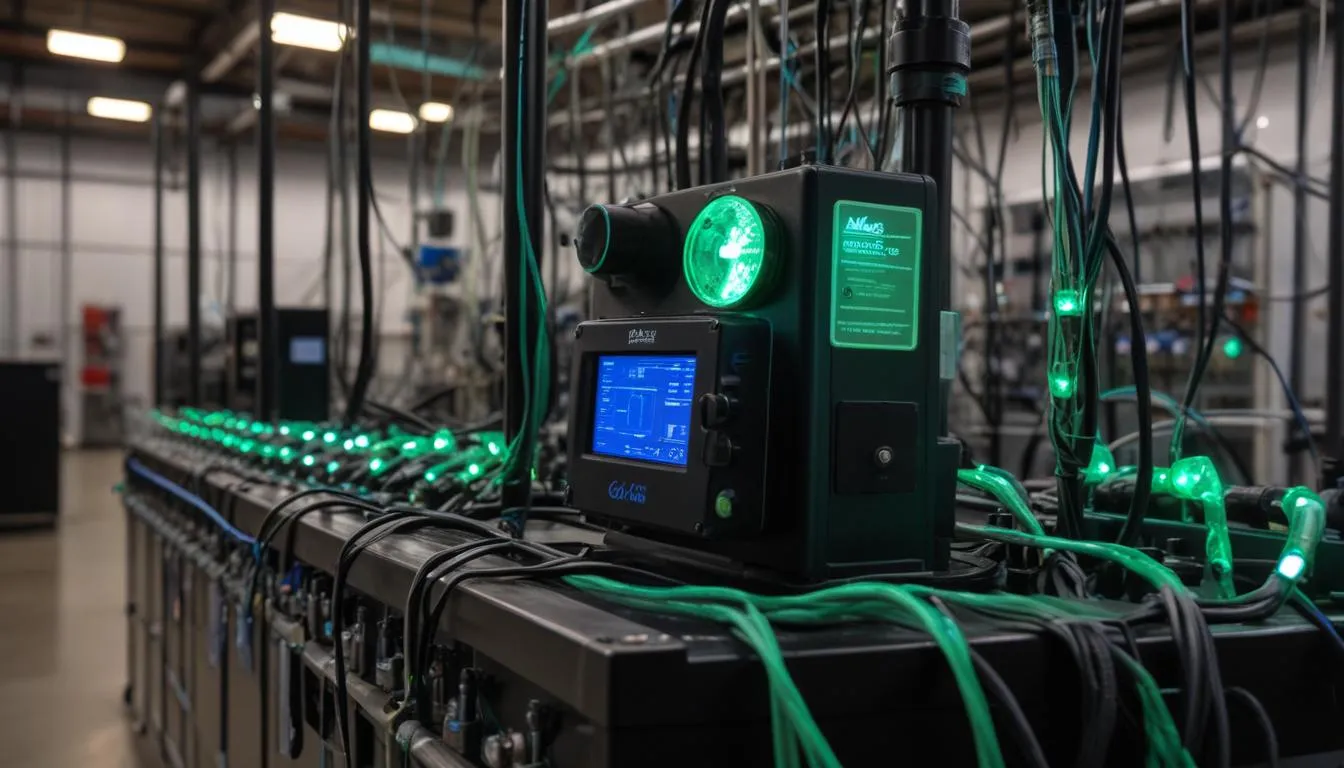 When it comes to installing sensors in pump systems, adherence to specific best practices is essential to maximize their effectiveness and ensure long-lasting performance. Proper installation contributes significantly to the accurate monitoring of critical parameters and enhances the reliability of the entire system.
- Site Assessment: Before installation, conduct a thorough site assessment to determine the most appropriate locations for sensor placement. Factors such as access to wiring, environmental conditions, and potential interference from other equipment should be considered to ensure optimal sensor performance.
- Alignment and Orientation: Ensure that sensors are properly aligned and oriented according to the manufacturer’s specifications. Incorrect installation may lead to inaccurate readings and unreliable data, undermining the purpose of the sensor technologies.
- Wiring and Connectivity: Employ quality wiring and connectors that meet industry standards. Use shielded cables if necessary to prevent electromagnetic interference, especially in environments with high electrical noise. Proper grounding practices should also be implemented to enhance signal integrity.
- Calibration: After installation, calibrate sensors according to the manufacturer’s instructions. Regular calibrations will help maintain the accuracy of the readings, providing reliable data for monitoring operational conditions.
- Environmental Considerations: Select sensors that are appropriate for the specific environmental conditions they will face. For example, sensors in corrosive environments should be made of suitable materials to avoid degradation. Additionally, consider temperature variations that may affect sensor performance.
- Regular Maintenance: Implement a regular maintenance schedule that includes checking sensor functionality and performance. Address any issues promptly to prevent a delay in monitoring, ensuring continuous data collection.
- Integration with Control Systems: Ensure sensors are effectively integrated with control systems for real-time monitoring. This integration allows for immediate response to any detected irregularities, enhancing the overall operational efficiency of the pump systems.
By following these best practices, operators can enhance the effectiveness of sensor technologies in pump systems, leading to improved monitoring capabilities, operational efficiency, and ultimately, reliability in pump performance. Properly installed and maintained sensors offer invaluable insights, allowing for proactive maintenance and efficient management of pumping operations.
| Best Practice | Description |
|---|---|
| Site Assessment | Identify optimal sensor placement based on environmental conditions and equipment layout. |
| Alignment and Orientation | Follow manufacturer specifications to ensure accurate sensor readings. |
| Wiring and Connectivity | Use quality materials and proper grounding to prevent signal loss. |
| Calibration | Regularly calibrate sensors to maintain accuracy over time. |
| Environmental Considerations | Select appropriate sensors that can withstand local conditions. |
| Regular Maintenance | Schedule routine checks to ensure continued functionality. |
| Integration with Control Systems | Ensure sensors are connected to management systems for real-time monitoring. |
Future trends in pump sensor technology
In the evolving landscape of pump systems, several future trends in sensor technologies are poised to transform operational efficiencies and enhance performance metrics. These advancements focus on integrating more sophisticated sensing capabilities, allowing for improved data analytics and operational understanding.
One prominent trend is the adoption of wireless sensor networks. This technology minimizes the need for extensive wiring, reducing installation costs and time. Wireless sensors enable real-time monitoring over vast distances, which can be particularly beneficial in remote or hard-to-reach areas. These systems can communicate via protocols such as LoRaWAN or Zigbee, facilitating seamless integration into existing network infrastructures while offering flexibility for future expansions.
Another significant trend is the implementation of IoT-enabled sensors. These smart sensors not only collect data but also transmit it to cloud-based platforms for advanced analytics. This allows for the aggregation of data from multiple sources, enabling sophisticated predictive maintenance models. By analyzing historical and real-time data, operators can anticipate failures before they occur, significantly reducing downtime and maintenance costs.
The use of artificial intelligence (AI) and machine learning algorithms is also on the rise. These technologies can process vast amounts of data generated by sensors, identifying patterns and anomalies that may not be apparent through conventional analysis. Such insights empower operators to make informed decisions quickly, optimizing pump performance and resource utilization.
Enhanced sensor accuracy is another trend affecting pump systems. New materials and technologies are enabling the development of sensors that provide higher precision in measurements, thus improving operational reliability. For example, advanced pressure and temperature sensors can now deliver data with increased sensitivity, enabling more accurate real-time decision-making and minimizing the risk of system failures.
Additionally, manufacturers are increasingly focusing on the sustainability aspect of sensor technologies. Eco-friendly sensors designed for energy efficiency and reduced environmental impact are becoming popular. These innovations are influencing the entire lifecycle of pump systems, from production to disposal, aligning with global sustainability goals.
To summarize, as sensor technologies continue to evolve, the future of pump systems is likely to witness significant advancements in monitoring, operational efficiency, and predictive capabilities. Embracing these changes not only enhances the performance of pump systems but also positions organizations to meet the challenges of a rapidly changing industrial environment.
| Trend | Description |
|---|---|
| Wireless Sensor Networks | Enables real-time monitoring with reduced installation complexity. |
| IoT-enabled Sensors | Facilitates cloud-based data analytics for enhanced decision-making. |
| AI and Machine Learning | Processes large datasets to identify patterns for predictive maintenance. |
| Enhanced Sensor Accuracy | Improves measurement precision, contributing to reliability. |
| Sustainable Sensor Design | Focuses on eco-friendly technologies and energy efficiency. |