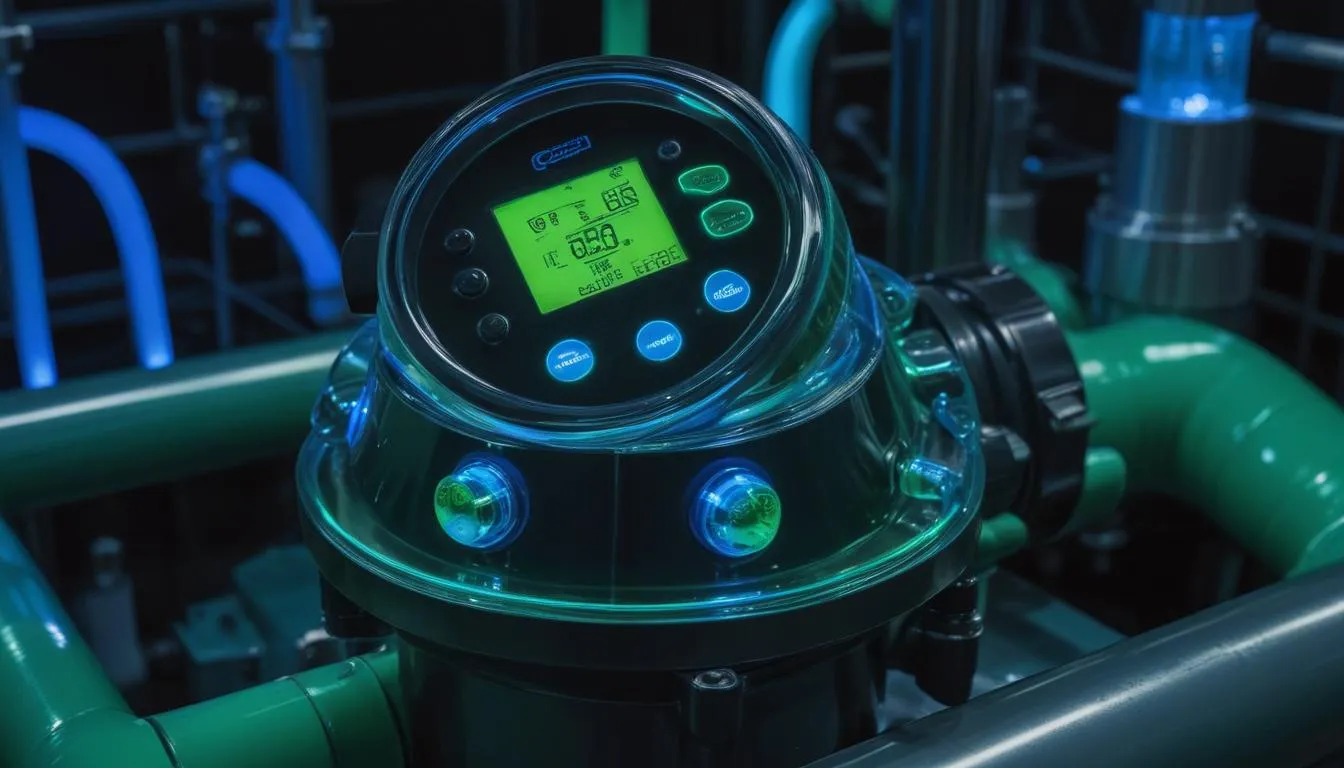
 To achieve effective operation, it is crucial to comprehend the intricacies of pump startup procedures. These procedures serve as the foundation for ensuring that pumps operate efficiently and reliably. A thorough understanding of the various types of pumps and their operational principles plays a significant role in optimizing the startup process.
Pumps can be categorized into two main types: positive displacement pumps and centrifugal pumps. Each type has unique startup characteristics that necessitate tailored approaches. For example, positive displacement pumps often require careful priming, while centrifugal pumps may need to achieve a specific speed before producing optimal flow.
Several key components should be monitored during the pump startup phase:
- Power Supply: Ensure that the electrical supply is stable and meets the required specifications for the pump.
- Control Systems: Check that control panels and automation systems are functioning correctly for coordinating the startup sequence.
- Valves: Confirm that all isolation valves are in the correct position to allow fluid flow without obstruction.
- Piping: Inspect the piping for leaks or blockages that might hinder performance during startup.
Additionally, employing best practices during the startup process can mitigate risks and enhance efficiency. For example, a thorough pre-startup checklist can help identify potential issues before they arise. This checklist may include:
- Inspecting the pump for mechanical damage or wear.
- Verifying fluid levels and conditions.
- Calibrating pressure gauges and flow meters.
- Ensuring safety features are operational, such as emergency shutdown systems.
Furthermore, monitoring key performance indicators (KPIs) during and after the startup process is essential. These may include:
- Flow Rate: Track the actual flow rate against expected values.
- Power Consumption: Monitor energy usage to assess efficiency.
- Vibration Levels: Anomalous vibrations may indicate mechanical issues that need addressing.
By understanding the essential elements of pump startup procedures, operators can set the stage for optimal performance, ensuring reliability and longevity while minimizing unexpected downtimes.
Key Factors Influencing Startup Efficiency
Several key factors significantly influence startup efficiency during pump operations. Understanding these factors is crucial for developing effective and efficient startup procedures that minimize downtime and enhance reliability.
System Design is foundational to a successful pump startup. This includes the configuration of the entire hydraulic system, including pipe sizes, bends, and fittings. Properly sized and designed systems allow for optimal fluid flow, reducing the resistance encountered during startup.
The type of pump plays a vital role as well. Different pumps, such as positive displacement and centrifugal pumps, exhibit distinct characteristics and requirements. For example, centrifugal pumps rely on achieving a minimum speed to generate sufficient flow, while positive displacement pumps require a full chamber before commencing operation. Understanding the specific requirements of the pump type ensures that startup procedures are aligned effectively.
Another significant factor is environmental conditions. Variations in temperature and pressure can affect the viscosity of fluids, which in turn impacts the pump’s performance. Operators must account for these environmental factors and adjust startup protocols accordingly to prevent issues like cavitation or overloading, which can lead to pump failure.
Moreover, the control strategy implemented during startup can greatly affect efficiency. Employing automation can provide seamless operation and quick adjustments based on real-time feedback. Control systems should be rigorously tested to guarantee functionality before initiating the startup process, ensuring that they manage the startup sequence effectively.
Training and operator experience are equally critical. Well-trained personnel who understand the best practices for pump startup can identify potential issues quickly and respond appropriately, thus ensuring the startup procedures run smoothly. Regular training sessions should be conducted to keep operators updated on the latest technologies and methods.
Equally important are maintenance practices. Regular inspections and routine maintenance of pumps and associated systems help prevent unexpected failures during startup. For instance, ensuring that seals, bearings, and other mechanical parts are in good condition can significantly enhance the reliability of the startup process.
In conclusion, by focusing on these key factors, operators can effectively enhance the efficiency of their pump startup procedures while minimizing risks and maintaining optimal performance. Each factor intertwines with others, underscoring the importance of a holistic approach to optimizing pump operations.
Step-by-Step Optimization Techniques
To optimize pump startup procedures effectively, following a structured series of steps can significantly enhance overall efficiency. The following techniques help ensure smooth and reliable operations from the very beginning of the startup process.
1. Pre-Startup Preparations
Adequate preparations before starting the pump are crucial. Take the following actions:
– Inspect Physical Condition: Check the pump and all associated components for any signs of wear, damage, or improper installation. Address any identified issues.
– Fluid Inventory: Verify that the pump is adequately filled with the required fluid. If priming is necessary for the pump type, ensure it’s performed correctly to prevent air locks.
– Safety Protocols: Reconfirm that all safety measures are operational, reading through the emergency shutdown procedures and confirming that safety shutoff valves are in proper position.
2. Sequential Startup Process
Implementing a stepwise startup approach minimizes the risk of system overload and mechanical failure. Consider the following sequence:
– Engage Power Supply: Connect the pump to the power source and monitor for stable electric supply.
– Control Activation: Activate the control system, ensuring that all alarms and indicators are functioning. Gradually increase speed according to manufacturer recommendations.
– Open Valves: Gradually open the relevant inlet and outlet valves. This steady approach allows the pump to adjust without sudden pressure changes that might cause damage.
3. Monitoring During Startup
Throughout the startup process, continuous monitoring of performance indicators is essential. Key metrics to track include:
– Pressure Levels: Observe system pressure to ensure it aligns with expected values to prevent damage from overpressure scenarios.
– Flow Rate Stability: Ensure that the flow production remains consistent and within specified limits, identifying and addressing significant deviations immediately.
– Vibration Analysis: Use vibration analysis tools to detect any irregular vibrations that may indicate alignment or balance issues. Early detection of such problems can prevent severe damage.
4. Adjusting Startup Parameters
During the initial startup, real-time adjustments based on observed performance can optimize pump efficiency:
– Speed Adjustments: If the pump type allows, vary the speed settings to find the optimum operational speed that maximizes flow without risking cavitation or stalling.
– Flow Regulation: Utilize flow control systems to ensure that the required flow is achieved without unnecessary strain on the pump or system.
5. Post-Startup Assessment
Once the pump successfully reaches its operating conditions, conduct a series of assessments to confirm stable performance:
– Complete System Check: Perform a thorough system inspection to ensure no leaks or abnormalities present during startup.
– Performance Logging: Document all performance metrics, including startup time, pressure levels, and flow rates, allowing for future comparison and assessment of efficiency.
– Routine Feedback Loop: Establish channels for operators to provide feedback on the startup process for continuous improvement in future procedures.
These step-by-step optimization techniques ensure that pump startup procedures not only increase efficiency but also enhance overall operational reliability. Being proactive in these methods lays a solid foundation for the pump’s ongoing performance and sustainability.
Common Challenges and Solutions
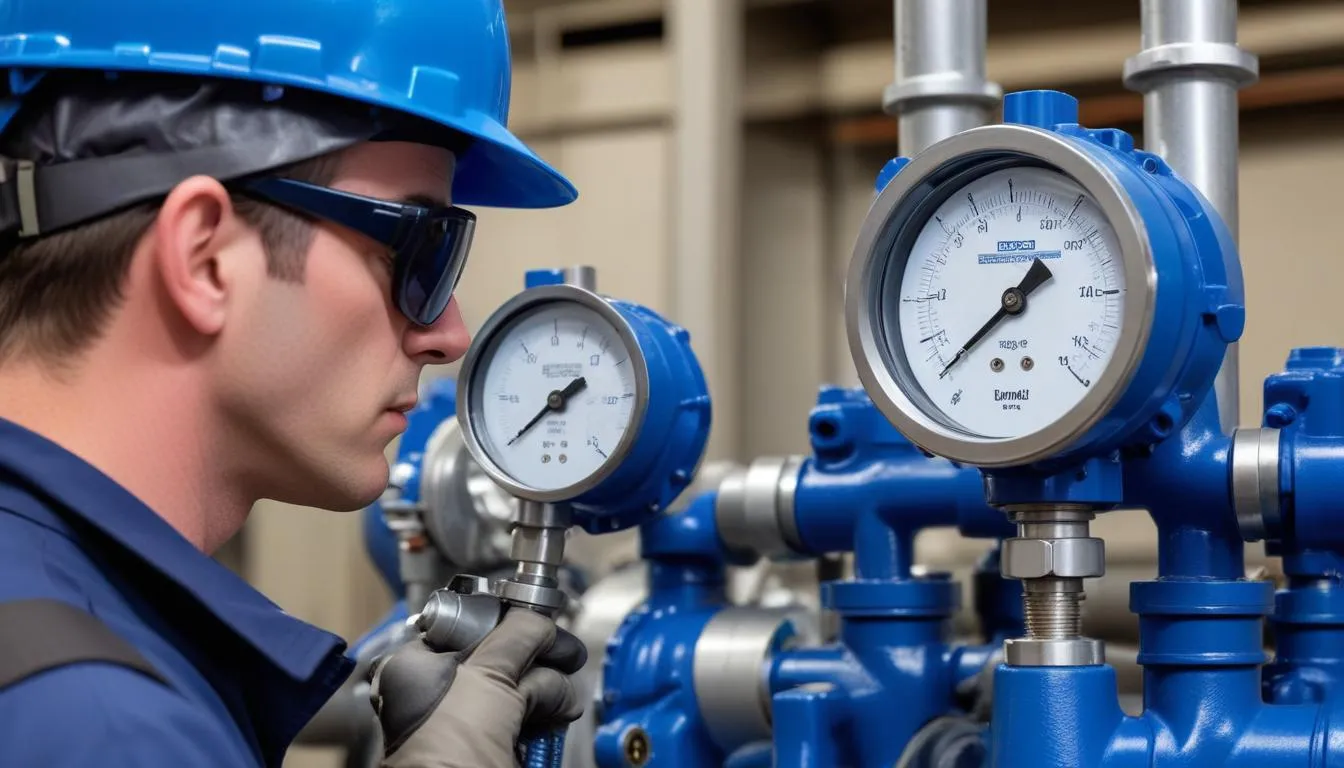 During the startup phase of pump operations, several common challenges can arise that may hinder efficiency and lead to operational disruptions. Recognizing these obstacles is crucial for implementing effective solutions. Some of the prevalent challenges include:
- Air Entrapment: Trapped air within the pump can prevent proper fluid flow and lead to cavitation, which causes physical damage to components.
- Pressure Fluctuations: Inconsistent pressure levels can cause system shocks and may result in pump failure or inefficiencies in performance.
- Mechanical Issues: Wear and tear of pump components, such as bearings and seals, can compromise startup and lead to severe operational problems.
- Control System Failures: Malfunctioning control systems may disrupt the startup sequence, delaying proper operation and causing unsafe conditions.
- Improper Valve Operations: Incorrectly positioned isolation valves may result in blockages, leading to increased stress on the pump and potential damage.
To effectively address these challenges, several solutions can be implemented:
- Implement Air Removal Strategies: Prior to startup, utilize specific techniques such as venting or priming the pump to eliminate air pockets and facilitate smooth operation. Automatic air-release valves can also significantly enhance air removal during operation.
- Install Pressure Regulation Devices: Utilize pressure relief valves and regulators to maintain consistent pressure levels during startup. Continuous monitoring of pressure through gauges can help identify and address fluctuations promptly.
- Regular Maintenance Scheduling: Conduct routine inspections and maintenance of pump components to catch wear and tear early. This includes lubrication checks, seal replacements, and bearing inspections to ensure optimal performance.
- Test Control Systems: Before each startup, run comprehensive diagnostics on control systems to verify functionality. Implement backup systems or failsafes to ensure that any control failures do not compromise safety or functionality.
- Valve Position Verification: Incorporate a checklist to confirm that isolation valves are correctly positioned before each startup. Using visual or automated indicators can improve reliability in valve operations.
In addition to addressing challenges, integrating best practices for pump startups can further enhance reliability. Operators should consider the following recommendations:
- Detailed Startup Protocols: Develop comprehensive startup procedures that incorporate best practices tailored to specific pump types and applications. This includes clear instructions for each step of the process.
- Continuous Training: Regularly train personnel on updated startup procedures and troubleshooting methods to ensure that each operator can respond efficiently to unexpected challenges.
- Monitoring Technologies: Leverage advanced monitoring systems that provide real-time data on important metrics such as vibrations, flow rates, and pressure levels, allowing for immediate intervention if problems arise.
- Feedback Mechanisms: Establish channels for operators to report on the effectiveness of startup procedures. Collecting and analyzing this feedback can provide insights for continuous improvement.
- Documentation Practices: Maintain thorough records of each startup, including challenges faced and solutions applied. This documentation will serve as a valuable resource for optimizing future procedures.
By proactively identifying common challenges and implementing robust solutions alongside best practices, operators can significantly improve the efficiency and reliability of their pump startup procedures, ultimately enhancing overall system performance.
Best Practices for Ongoing Maintenance
To ensure the ongoing efficiency and reliability of pump operations, implementing best practices for maintenance is essential. Effective maintenance routines not only enhance pump performance but also prolong the lifespan of the equipment and prevent costly downtimes. Here are several key strategies to follow:
- Routine Inspections: Conduct regular inspections of pumps and associated systems. Check for signs of wear and tear, leaks, and unusual sounds during operation. A dedicated inspection schedule helps identify issues proactively before they escalate into more significant problems.
- Lubrication Management: Regularly lubricate moving parts according to the manufacturer’s recommendations. Insufficient lubrication can lead to increased friction and wear, which compromise the pump’s performance. Establishing a strict lubrication protocol can significantly reduce the risk of mechanical failure.
- Monitoring Vibration Levels: Utilize vibration analysis technology to monitor the condition of pumps continuously. Elevated vibration levels may indicate alignment issues or wear in the bearings. Identifying these deviations early enables prompt maintenance actions before they result in catastrophic failures.
- Seal and Bearing Checks: Regularly examine seals and bearings for signs of degradation. Worn seals can lead to fluid leaks, while failing bearings can cause severe operational disruptions. Replace these components as part of routine maintenance to maintain optimal performance.
- Fluid Quality Control: Monitor the quality of the fluid used in the system. Contaminants can significantly affect pump efficiency and life span. Use filters and separators to keep the fluid clean, and conduct regular tests to check for unwanted particles or changes in fluid properties.
- Calibration of Monitoring Equipment: Calibrate all performance monitoring equipment, such as pressure gauges and flow meters, regularly. Accurate measurements are crucial for identifying performance issues and making informed operational decisions.
- Systematic Maintenance Records: Maintain detailed records of all maintenance activities, including inspections, repairs, and parts replacements. This documentation allows operators to track trends in performance and identify recurring issues that may require more comprehensive changes to procedures.
- Training for Personnel: Ensure that all personnel are well-trained in best practices for pump operation and maintenance. Regular training sessions help keep staff updated on new technologies and methods, enabling them to identify potential issues faster and implement the necessary measures effectively.
By incorporating these best practices into routine maintenance schedules, facilities can enhance the reliability of their pump operations. This proactive approach minimizes the chances of failure during startup and ensures that the pump consistently operates within its designed parameters. Implementing a robust maintenance protocol not only optimizes pump startup procedures but also contributes significantly to the overall efficiency and performance of pumping systems.